Experiencing Leg Pain? It Could Be a Sign of Varicose Veins

suffering-from-leg-pain-it-might-be-time-to-check-for-varicose-veins
Leg pain is something that many people brush off as part of their daily routine. Whether it’s from standing too long at work, too much exercise, or simply aging, we often think of leg discomfort as a normal part of life. However, if you’ve been dealing with aching, swelling, or a heavy feeling in your legs, there could be an underlying issue — varicose veins.

If you're wondering whether your leg pain is just tired muscles or something more, you're not alone. In fact, varicose veins are a surprisingly common cause of leg discomfort that often goes unnoticed until the symptoms become more severe. At Charm Vascular Clinic, we see many patients who initially attributed their leg pain to regular fatigue, only to discover that they were dealing with a vascular issue.

What Exactly Are Varicose Veins?

what-exactly-are-varicose-veins

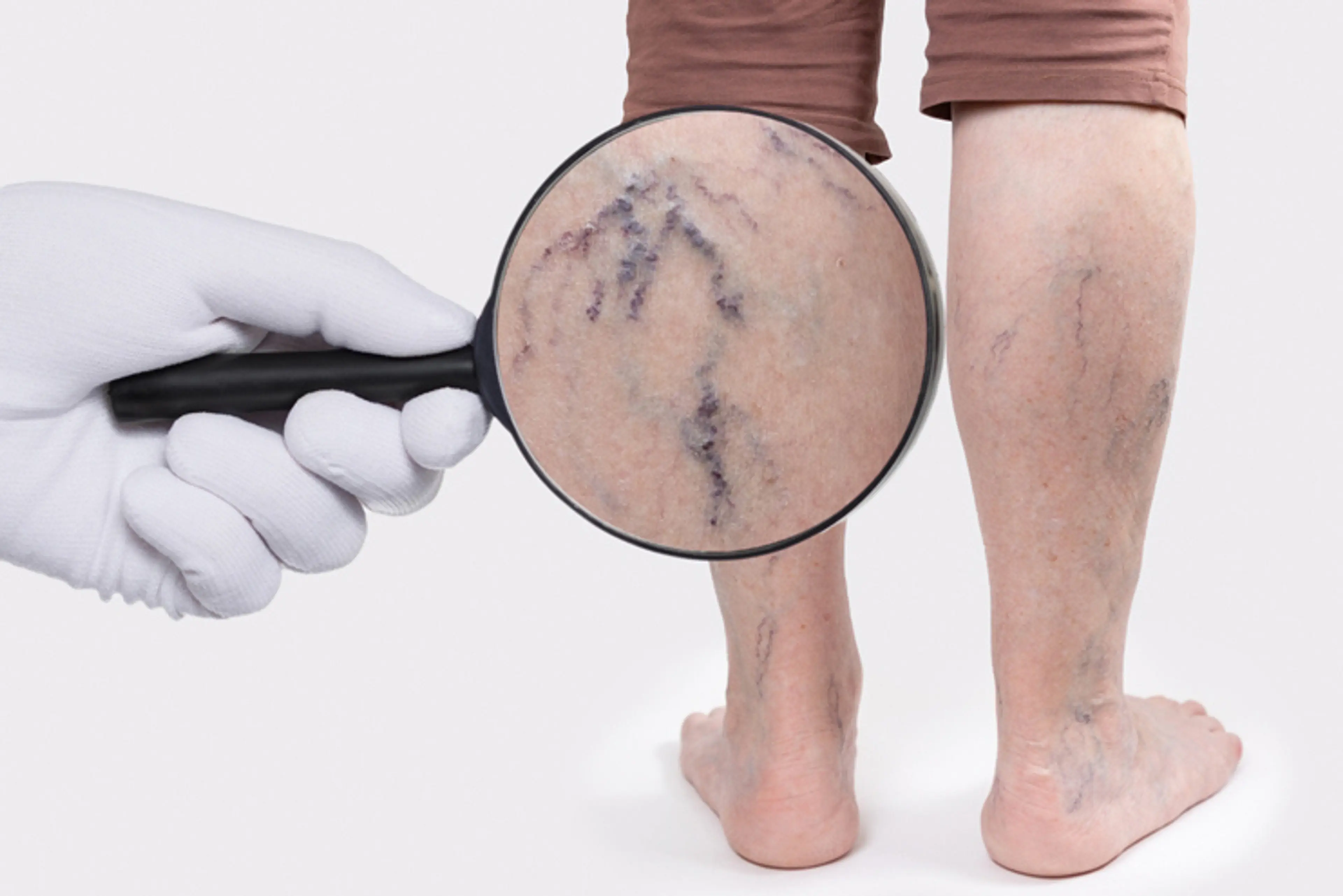
Varicose veins are enlarged, twisted veins that often appear as bulging, bluish lines running along the surface of the skin, primarily in the legs. These veins occur when the valves within the veins that help regulate blood flow become weakened or damaged. As a result, blood begins to pool in the veins instead of flowing smoothly toward the heart, causing the veins to stretch and bulge out of the skin.

While varicose veins are more commonly associated with cosmetic concerns, they can lead to serious discomfort and health complications if left untreated. The pain, swelling, and heaviness you feel in your legs could be signs that these veins are not just an aesthetic issue but a health concern that needs attention.

the-link-between-leg-pain-and-varicose-veins

If you're experiencing leg pain, here's what might be happening behind the scenes:

  • Pain and Aching: Varicose veins often cause a dull, throbbing pain in the legs. This pain may become worse after standing or sitting for extended periods. The increased pressure from the pooled blood can lead to discomfort that doesn’t easily go away.
  • Swelling: Swollen ankles or legs, particularly by the end of the day, is a common symptom associated with varicose veins. As blood builds up in the veins, it can lead to fluid retention, causing swelling in the lower legs and feet.
  • Heaviness and Fatigue: People with varicose veins often describe their legs feeling "heavy" or "tired," especially after physical activity or a long day on their feet. This sensation can interfere with daily activities, making it harder to walk, stand, or exercise.
  • Restless Legs: Some people with varicose veins experience restless leg syndrome, a feeling of discomfort that’s only relieved by moving the legs. This can be especially troublesome at night when you’re trying to relax.

Why Do Varicose Veins Occur?

why-do-varicose-veins-occur

There are several risk factors that make someone more prone to developing varicose veins. Some of these factors are beyond our control, like genetics, while others can be managed with lifestyle changes:

  1. Genetics: If your parents or grandparents had varicose veins, you may be at a higher risk of developing them.
  2. Age: As we get older, the valves in our veins can weaken, making it easier for blood to pool and form varicose veins.
  3. Pregnancy: During pregnancy, the body experiences increased blood volume and changes in hormone levels, which can lead to varicose veins. Women are also more likely to develop varicose veins because of pregnancy.
  4. Standing or Sitting for Long Periods: Jobs that require you to stand for long periods of time, such as teaching or retail work, increase the pressure on your veins, making you more likely to develop varicose veins.
  5. Obesity: Carrying excess weight places additional pressure on your veins, which can lead to varicose veins over time.
  6. Hormonal Changes: Hormonal fluctuations, particularly during pregnancy or menopause, can also increase the risk of developing varicose veins.

How Do You Know if Your Leg Pain Is Caused by Varicose Veins?

how-do-you-know-if-your-leg-pain-is-caused-by-varicose-veins

It’s not always easy to pinpoint varicose veins, especially in the early stages. Many people may experience mild discomfort without noticing the visible veins. However, if you notice any of the following, it may be time to check for varicose veins:

  • Visible veins that are twisted, bulging, or purple in color

  • Pain or aching that worsens after standing or sitting for long periods

  • Swelling or a feeling of heaviness in your legs

  • Skin changes, such as dryness, discoloration, or thickening of the skin around your ankles

  • Cramps or restlessness in the legs, especially at night

If you’ve noticed any of these symptoms, it's worth consulting a specialist to get to the bottom of your discomfort.

Why It’s Important to Address Varicose Veins Early

why-it's-important-to-address-varicose-veins-early

While varicose veins might seem like a minor inconvenience at first, they can cause more than just cosmetic issues. If left untreated, they can lead to more serious health complications such as:

  • Chronic Venous Insufficiency: This condition occurs when the veins in your legs are unable to pump blood effectively back to the heart, leading to ongoing swelling, pain, and even ulcers in severe cases.
  • Blood Clots: Varicose veins can increase your risk of developing deep vein thrombosis (DVT), which can be dangerous if the blood clot breaks free and travels to your lungs.
  • Skin Ulcers: Prolonged varicose veins can cause ulcers or open sores around the ankles, which can be painful and difficult to heal.

By seeking treatment early, you can avoid these complications and improve both your comfort and overall health.

The Benefits of Minimally Invasive Treatments for Varicose Veins

the-benefits-of-minimally-invasive-treatments-for-varicose-veins

At Charm Vascular Clinic, we specialize in advanced, minimally invasive treatments for varicose veins that can get you back on your feet without the need for traditional surgery. These treatments are highly effective and involve minimal downtime, allowing you to recover quickly and return to your daily routine.

Here are some of the treatments we offer:

  • Endovenous Laser Ablation (EVLA): A laser treatment that targets and seals off the affected veins, allowing blood to reroute to healthier veins. EVLA is minimally invasive, typically performed under local anesthesia, and requires only small incisions.
  • Radiofrequency Ablation (RFA): Similar to EVLA, this treatment uses radiofrequency energy to heat and close the problematic vein. It’s a safe and effective option for treating varicose veins without surgery.
  • VenaSeal™: This treatment uses a medical adhesive to close off varicose veins. VenaSeal™ is a quick, virtually painless procedure with minimal recovery time.

Each of these options is designed to be less invasive, with a quicker recovery and lower risk of complications compared to traditional surgical methods. After your procedure, most patients are able to resume normal activities within a few days.

When Should You Seek Treatment for Varicose Veins?

when-should-you-seek-treatment-for-varicose-veins

If you're experiencing persistent leg pain, swelling, or discomfort, it's important to have your condition assessed by a vascular specialist. Varicose veins are progressive, meaning that without treatment, they can worsen over time, leading to more severe symptoms. Early intervention is key to avoiding more serious complications.

At Charm Vascular Clinic, we pride ourselves on offering personalized care tailored to your unique needs. Dr. Insoo Park and our expert team are here to guide you through every step of your treatment, from diagnosis to post-procedure care.

Take the Next Step Towards Comfort and Relief

take-the-next-step-towards-comfort-and-relief

If you’ve been struggling with leg pain, varicose veins may be the underlying cause. Don’t wait for your symptoms to worsen. Contact us at Charm Vascular Clinic to schedule a consultation and explore your treatment options. With our cutting-edge technology and patient-first approach, we’re here to help you feel better and get back to enjoying life, pain-free.