Veins are the quiet workhorses of your circulatory system—constantly moving blood back to your heart, day in and day out, without applause or fanfare. But when veins begin to struggle, the effects can ripple through the body: heaviness in the legs, visible varicose veins, swelling, cramps, and fatigue. What many people don’t realize is that much of vein health comes down to daily habits—what you do with your body, your movement patterns, your hydration, and even how you manage stress.
This guide breaks down the most effective daily routine for healthy veins—not just surface-level tips, but habits grounded in a deeper understanding of how venous circulation works. I’ve seen what helps patients truly thrive (and what habits quietly undermine vein function). If you’re wondering whether your veins are “just fine” or starting to show signs of strain—you’re not alone. Let’s walk through a routine that supports your veins at every hour of the day.
Why Routine Matters for Veins
why-routine-matters-for-veinsVeins are different from arteries. Arteries are muscular and under high pressure, actively pushing oxygen-rich blood outward from the heart. Veins, on the other hand, rely on external factors to help blood return to the heart:
Muscle contractions around veins (especially in the calves and feet)
One‑way valves inside the veins that prevent backflow
Pressure differentials created by breathing and movement
Over years of practice treating chronic venous insufficiency and varicose veins, I’ve watched veins respond dramatically—not overnight, but steadily—to routine changes. What people often overlook is that small, consistent habits compound into real changes in venous load, comfort, and long‑term vein integrity.
Morning: Set Your Veins Up for the Day
morning:-set-your-veins-up-for-the-day1. Start with Gentle Mobilization
1.-start-with-gentle-mobilizationWhen you wake up, your blood has been pooling in veins for hours. Begin your day by:
Flexing your feet upward and downward (ankle pumps) for 1–2 minutes
Rotating ankles in circles, 10 times each direction
These movements help “kickstart” venous return before you even stand.
Why it matters: The muscles around your lower legs act as a natural pump. Activating them gets blood moving upward, reducing morning heaviness or stiffness.
2. Hydrate Before Caffeine
2.-hydrate-before-caffeineMany people reach for coffee first thing. I recommend drinking 300–500 ml of water before your first cup.
Why: Hydration affects blood viscosity. Thicker blood moves slower, increasing strain on veins and making valves work harder. Water helps keep circulation smooth and efficient.
3. A Standing Stretch Before Sitting
3.-a-standing-stretch-before-sittingIf your morning involves sitting for breakfast, emails, or reading news:
Stand up after 5–10 minutes of sitting
Do a gentle backbend stretch, lifting your toes and heels alternately
Why: Prolonged sitting increases venous pressure in the legs. Breaking up seated periods reduces that pressure, improving venous return early in the day.
Midday: Movement and Mindful Circulation
midday:-movement-and-mindful-circulation
🚶♀️ 4. Walk Often, Not Just Once
4.-walk-often-not-just-onceWalking is the MVP of vein health—not jogging, not cycling, but walking:
A single long walk is good, but frequent short walks are even better for vein function.
Why: Each step engages the calf muscle pump, pushing blood up the legs. Frequent activation reduces pooling and fatigue.
🍲 5. Eat with Circulation in Mind
5.-eat-with-circulation-in-mindYour midday meal can influence circulation:
Salt can cause fluid retention, increasing pressure in leg veins.
Why: Smaller meals with balanced nutrients help maintain stable circulation and prevent the midday slump that keeps you sedentary.
🧘♀️ 6. Midday Mobility Breaks
6.-midday-mobility-breaksBetween work tasks:
Do seated leg lifts: Raise one leg at a time, hold for 3–5 seconds, 10 reps.
Try standing calf raises: 15–20 reps
These exercises take seconds and can be done without special equipment.
Why: They increase venous return by activating muscles that push blood upward.
Afternoon & Evening: Unwinding Without Vein Strain
afternoon-and-evening:-unwinding-without-vein-strain7. Elevate Your Legs After Sitting
7.-elevate-your-legs-after-sitting
Evening TV time? Slide a pillow under your calves so your feet are slightly above heart level.
Why: Elevation reduces venous pressure, allowing gravity to assist blood return. This is especially helpful if you’ve spent the day sitting or standing.
🏃♂️ 8. Timing Your Walk After Meals
8.-timing-your-walk-after-mealsA gentle 10‑15 minute walk after dinner is powerful for circulation.
Why: Post‑meal walking stimulates the digestive system and also supports venous return without overloading your muscles.
💆♂️ 9. Stretching Before Bed
9.-stretching-before-bedIncorporate 5–10 minutes of:
Hamstring stretches
Calf stretches
Gentle hip openers
Use slow, mindful breathing.
Why: Loosening tight muscles around the lower body reduces tension that can compress veins and impede circulation.
Everyday Habits That Make a Big Difference
everyday-habits-that-make-a-big-differencechoose-footwear-that-helpsHigh heels and very flat shoes can limit ankle motion, reducing venous return.
Recommendation: Wear supportive shoes for daily activities. Save high heels for short periods rather than all‑day wear.
⏱ Break Prolonged Positions
break-prolonged-positionsWhether sitting or standing:
Every 30–45 minutes, change position.
If standing for long periods, shift weight between feet or take a few steps.
Why: Reduces pooling of blood in the lower legs.
📏 Monitor Your Posture
monitor-your-postureSlouching compresses the abdomen and can restrict blood flow back toward the heart.
Tips:
Sit with your feet flat on the floor
Avoid crossing legs for long periods
Use a lumbar support if your chair lacks it
💧 Keep Hydrated All Day
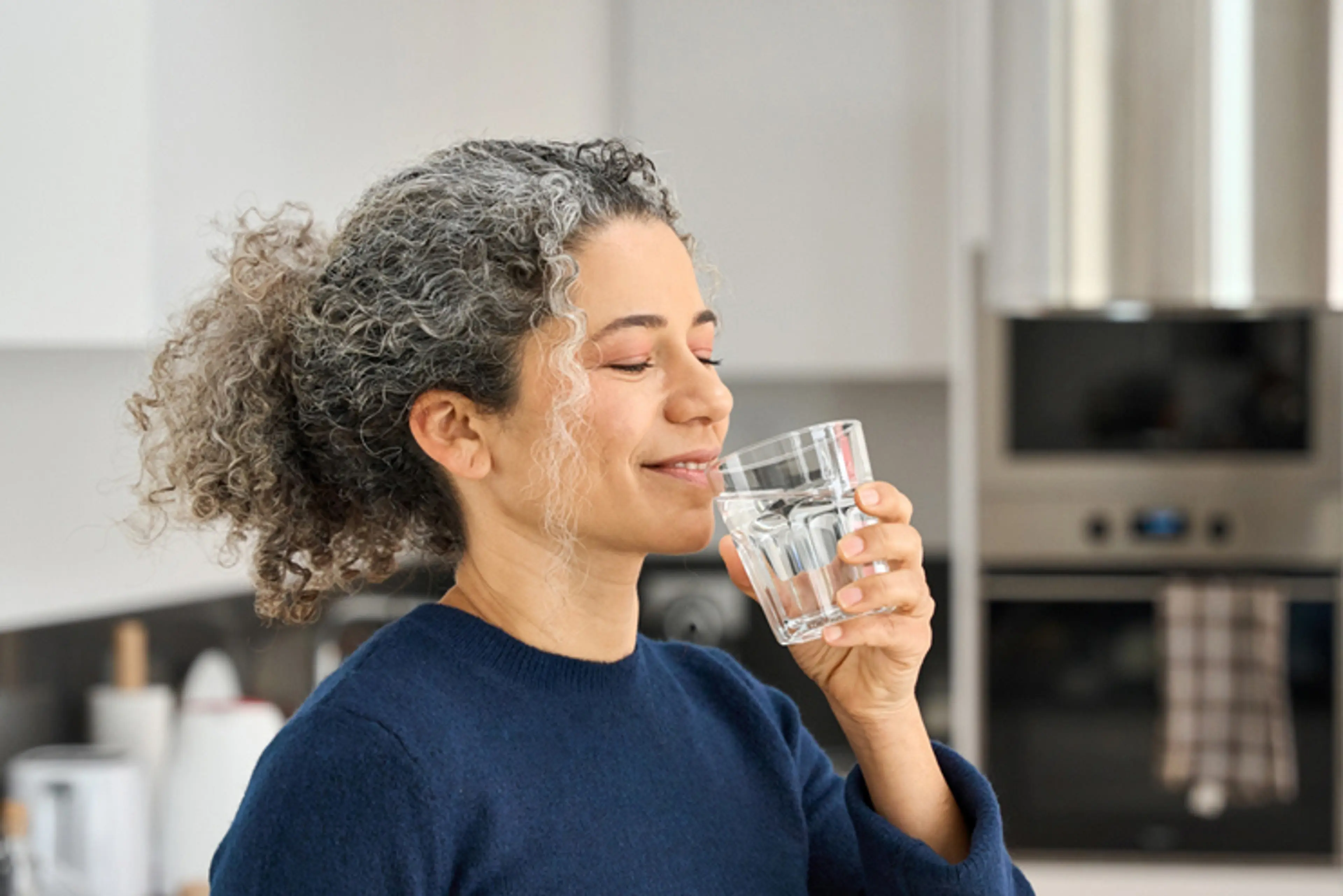
keep-hydrated-all-dayCarrying a reusable bottle and sipping water consistently supports smooth blood flow. Thirst is not a reliable indicator of hydration—aim for steady intake.
When to Think Beyond Daily Routine
when-to-think-beyond-daily-routineDaily habits are powerful, but they cannot reverse every problem on their own. If you notice any of these signs, it’s time to consider a vascular evaluation:
Visible, twisted veins that are painful or itchy
Leg swelling that doesn’t go down after rest
Night cramps in the calves
A heavy or fatigued feeling after standing or sitting
Skin discoloration around ankles
These symptoms often indicate that vein valves aren’t closing properly or blood is pooling—conditions like chronic venous insufficiency or varicose veins, which may benefit from professional treatment.
The Role of Professional Care
the-role-of-professional-careKeeping your veins healthy daily lays a strong foundation—but when veins are already strained, professional care can restore comfort and prevent progression. At vascular centers like Charm Vascular Clinic, we help patients with:
Chronic venous insufficiency
Varicose and spider veins
Minimally invasive treatments (such as Endovenous Laser Ablation, Radiofrequency Ablation, or VenaSeal™)
These procedures target the source of venous reflux—not just the symptoms—so people can walk, travel, work, and enjoy active lives without discomfort.
A Daily Routine You Can Live With
a-daily-routine-you-can-live-withTo be honest, the best routine is one you can stick with—not something that feels like a burden. Think of it this way:
Hydration and movement are daily fuel
Stretching and elevation are restorative habits
Posture and footwear are ongoing supports
Veins don’t need perfection—they need consistency.
So start with small wins: a 5‑minute morning mobilization, a midday walk, a leg elevation in the evening. Over weeks and months, these habits reduce strain, increase comfort, and protect your circulatory health.
If you’ve been struggling with heaviness, varicose veins, or leg discomfort that doesn’t improve with lifestyle changes alone, consider a consultation at a center like Charm Vascular Clinic for a personalized, minimally invasive treatment plan. Your veins do a lot for you—return the favor with mindful care every day.