Introduction
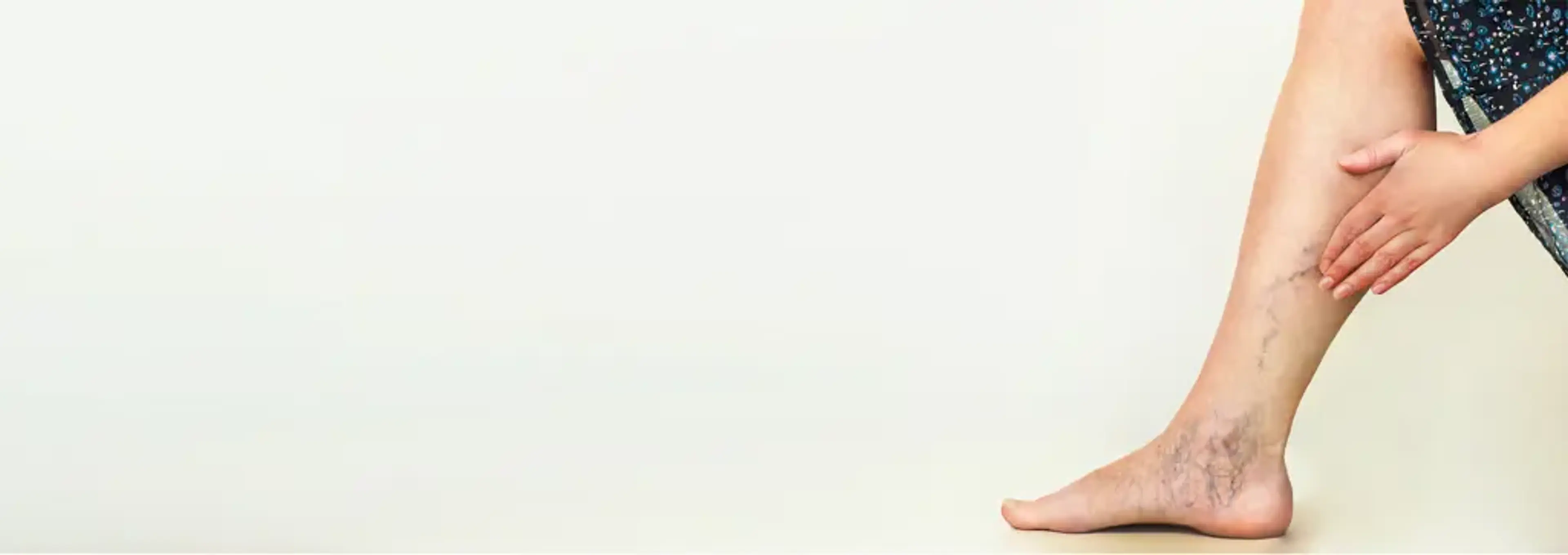
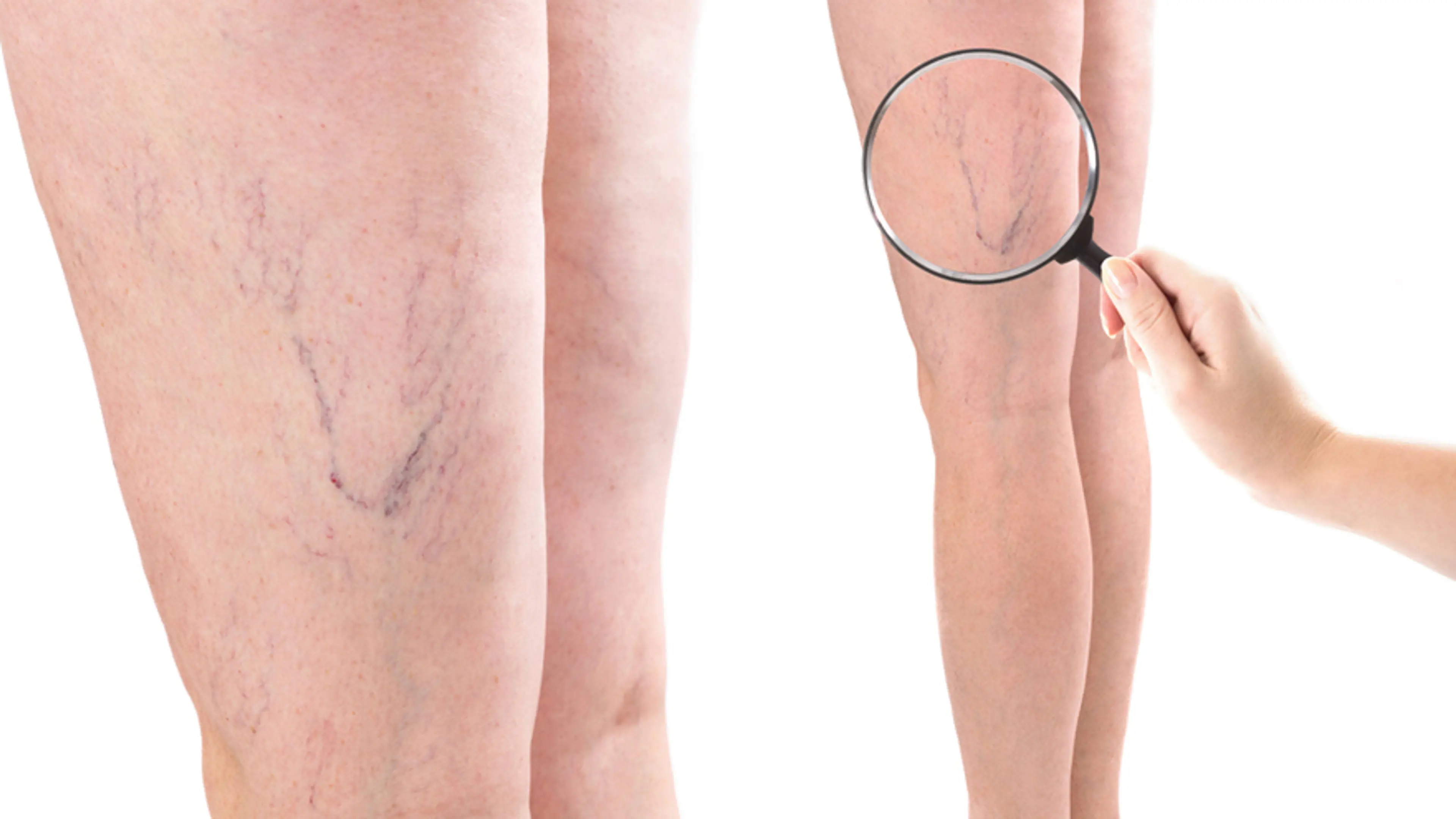
introductionVaricose veins are enlarged, twisted veins that often appear dark blue or purple on the surface of the skin, most commonly on the legs. While many people think of them as purely cosmetic, they are in fact a symptom of an underlying medical issue: chronic venous insufficiency. This condition affects how blood flows from the legs back to the heart, leading to pooling of blood and vein distension.
Globally, varicose veins affect up to 25–30% of adults, with women being more commonly affected than men. Age, pregnancy, prolonged standing, obesity, and genetics all contribute to their development. The condition can cause symptoms like heaviness, aching, swelling, and even cramping, especially after long periods of inactivity.
As minimally invasive treatments such as endovenous laser ablation and VenaSeal™ gain popularity, there’s growing interest in non-surgical options to manage or even prevent varicose veins. Among the most effective non-invasive strategies is exercise, which not only supports vein health but also reduces discomfort in those with mild or early-stage varicose veins.
Understanding how exercise supports blood circulation and overall vascular health can empower patients to take preventive steps — or enhance medical treatment outcomes when veins are already compromised.
The Circulatory System and Vein Function
the-circulatory-system-and-vein-functionTo understand how exercise helps, it's important to first understand how veins work. Veins are responsible for transporting blood from various parts of the body back to the heart. In the legs, this process defies gravity. Special one-way valves inside the veins keep blood flowing upward. When these valves weaken or fail — a condition known as venous insufficiency — blood begins to pool in the lower limbs.
This pooling increases pressure within the veins, causing them to stretch and bulge over time. These visible, twisted veins are what we recognize as varicose veins. Over time, this can lead to chronic venous disease, a progressive condition that requires medical management.
Exercise, especially leg movement, plays a critical role in maintaining healthy blood flow. When we walk or move our legs, the calf muscles contract and act as a “muscle pump,” helping push blood upward and reducing stagnation in the veins. This mechanism is essential for people who are sedentary or stand for long hours, as lack of movement directly impairs this function.
Simply put, movement is medicine when it comes to vein health. Understanding the body’s physiology helps reinforce why daily activity isn’t just beneficial — it’s necessary to preserve vein function and prevent complications.
Why Exercise Matters for Vein Health
why-exercise-matters-for-vein-healthExercise is one of the most powerful tools for maintaining healthy veins — and it’s completely natural, affordable, and accessible. When done correctly, physical activity promotes better blood circulation, strengthens the muscles supporting the veins, and reduces venous pressure. For individuals at risk of varicose veins or those in the early stages of the condition, this is a major advantage.
The benefits of exercise are not just theoretical — multiple studies have confirmed its role in reducing symptoms like leg swelling, pain, and fatigue associated with venous insufficiency. For example, walking increases the efficiency of the calf muscle pump, enhancing blood return to the heart and preventing blood from pooling in the lower limbs.
In fact, walking for vein health is often the first recommendation made by vascular specialists like those at Charm Vascular Clinic. It’s low-impact, easy to maintain, and effective at targeting the precise mechanisms that contribute to varicose vein formation.
Beyond walking, exercises like swimming, cycling, and gentle leg lifts also encourage venous return without placing excessive strain on joints or veins. This makes them ideal for individuals who are older, overweight, or recovering from vein treatment.
Can Exercise Prevent Varicose Veins?
can-exercise-prevent-varicose-veinsWhile exercise alone cannot guarantee that you’ll never develop varicose veins — especially if you have a strong family history — it is one of the most important preventive strategies. Regular physical activity helps maintain a healthy weight, improves vascular tone, and supports efficient blood circulation, all of which reduce the risk of developing varicose veins.
Best exercises to prevent varicose veins include walking, leg stretches, heel-to-toe raises, and other activities that activate the lower leg muscles. These exercises ensure that the calf muscle pump remains effective, minimizing the risk of blood pooling and venous valve failure.
At Charm Vascular Clinic, our vascular team often recommends a daily routine to improve blood circulation in legs, especially for patients with sedentary lifestyles or desk jobs. This routine might include short walks during breaks, standing desk use, or even mini-calf raises while brushing your teeth.
Moreover, exercise has a cumulative effect: the more consistent you are, the more you condition your vascular system to function optimally. Patients who pair exercise with other lifestyle modifications, such as wearing compression stockings or following a low-sodium diet, often experience dramatic improvements in comfort and vein appearance.
For those already dealing with mild symptoms, staying active can delay the need for surgical treatment and improve quality of life — making exercise a front-line, natural approach to managing vein health.
Exercise as a Natural Treatment for Mild Varicose Veins
exercise-as-a-natural-treatment-for-mild-varicose-veinsWhile exercise may not reverse advanced varicose veins or completely eliminate damaged veins, it is remarkably effective in managing early symptoms. Individuals with mild to moderate venous insufficiency often report reduced discomfort, swelling, and heaviness in the legs after introducing regular physical activity into their lifestyle.
One of the key mechanisms at play is improved venous return. When leg muscles contract during walking or strength training, they act like a second heart—pushing blood upward toward the lungs and heart, preventing stagnation in the veins. As a result, patients experience less pooling, less swelling, and decreased tension in the superficial veins.
Another benefit of exercise for varicose veins is its ability to regulate weight and reduce pressure on the legs. Excess body weight is a major risk factor for vein deterioration. By staying active, individuals can manage weight gain, especially in the abdominal region, which tends to place more stress on lower-limb circulation.
It’s important to note, however, that while exercise can treat varicose veins naturally at early stages, it is not a cure for severe vein damage. For those with bulging, painful, or ulcerating veins, a combination of exercise and medical intervention—like those offered at Charm Vascular Clinic—is the most effective approach.
Recommended Exercises: Walking, Cycling, and Swimming
recommended-exercises:-walking-cycling-and-swimmingFor those wondering where to begin, the answer is simple: start walking. Walking for vein health is often the first-line recommendation from vascular specialists because it is gentle, accessible, and efficient at activating the calf muscle pump. Even short 20–30 minute walks daily can significantly improve symptoms of venous insufficiency.
In addition to walking, cycling is another excellent cardiovascular activity that promotes blood flow without subjecting joints and veins to excessive stress. Whether using a stationary bike or pedaling outdoors, the consistent leg motion helps stimulate the vein walls and valves to function more effectively.
Swimming offers an added benefit: buoyancy. The water supports the body, which reduces gravitational stress on the legs. At the same time, the horizontal position of swimming enhances blood circulation, making it one of the best full-body workouts for people with venous disease or those recovering from vein procedures.
For patients with joint issues or limited mobility, these low-impact workouts for vein health are perfect. At Charm Vascular Clinic, we often advise patients to choose exercises they enjoy, so they can stick with them consistently and integrate them into their long-term health routines.
Targeted Movements: Calf Raises, Ankle Rotations, and Stretching
targeted-movements:-calf-raises-ankle-rotations-and-stretchingWhile cardio-based exercises like walking and swimming are excellent for circulation, targeted muscle engagement can further enhance vascular function. One of the most beneficial strength-focused exercises is the calf raise. By lifting your heels off the ground while keeping your toes planted, you activate the lower leg muscles, promoting venous return.
Ankle rotations and foot flexion/extension are simple movements that can be performed at your desk, during travel, or while watching TV. These small but impactful motions help reduce varicose vein pain and keep blood from stagnating during long periods of inactivity.
Stretching exercises like hamstring stretches, quad stretches, and yoga poses also contribute to improved flexibility, circulation, and vein health improvement. They keep muscles supple and reduce tension that could compress blood vessels or impede flow.
If you're building a daily routine to improve blood circulation in legs, consider combining a 30-minute walk with a 5–10-minute stretching session and 2–3 sets of calf raises. This balanced approach ensures both cardiovascular and muscular systems work together for optimal vein health.
Fitness Do’s and Don’ts for Varicose Vein Patients
fitness-do's-and-don'ts-for-varicose-vein-patientsWhile exercise is beneficial, not all forms of physical activity are safe for people with varicose veins. High-impact activities like long-distance running or heavy weightlifting may worsen symptoms if not done with proper technique or supervision. These activities increase intra-abdominal pressure, which can strain leg veins and worsen vein valve dysfunction.
Instead, opt for vein-friendly exercises like walking, swimming, Pilates, or using an elliptical machine. If strength training is part of your fitness regimen, avoid holding your breath while lifting and use lower weights with higher repetitions to reduce pressure on your veins.
If you spend long hours on your feet or in a seated position, be mindful to take movement breaks every 30–60 minutes. Standing too long without moving, especially in one place (like in retail or healthcare jobs), contributes to venous congestion. On the flip side, prolonged sitting reduces muscle engagement, leading to sluggish blood flow.
To support your workouts and protect your veins, wear compression stockings, stay hydrated, and avoid working out in high-heat environments. At Charm Vascular Clinic, we provide personalized fitness guidance to patients post-treatment, helping them avoid common mistakes and build long-term, sustainable exercise habits that support vascular health.
Sedentary Lifestyles and Their Impact
sedentary-lifestyles-and-their-impactOne of the most significant — and often overlooked — contributors to varicose vein development is a sedentary lifestyle. Whether it's sitting at a desk for hours, lounging on a couch, or driving long distances, inactivity causes circulation in the lower limbs to slow down. This allows blood to pool in the veins, increasing venous pressure and leading to vein dilation.
Many people who work in office environments or drive for a living are especially prone to managing varicose veins in sedentary lifestyles. Without regular muscle contractions to push blood upward, the venous system becomes sluggish. Over time, this can cause not only varicose veins but also chronic venous insufficiency and even deep vein thrombosis in extreme cases.
On the opposite end, individuals with jobs that require long periods of standing — such as retail workers, teachers, or healthcare professionals — also face challenges. Prolonged standing leads to gravity-dependent pooling of blood in the lower legs, worsening vein stress. This is known as standing job varicose veins.
To combat this, experts at Charm Vascular Clinic recommend incorporating micro-movements into your day — such as ankle pumps, desk stretches, or short walking breaks. Even 2–3 minutes of light activity every hour can dramatically improve blood flow and relieve vein stress.
Exercise as Part of a Holistic Lifestyle Approach
exercise-as-part-of-a-holistic-lifestyle-approachExercise alone isn't the complete answer to vein health — it works best as part of a broader holistic lifestyle approach. Patients who pair physical activity with other healthy habits, such as proper nutrition, hydration, sleep, and stress management, tend to experience greater improvements in their symptoms and overall vascular well-being.
Maintaining a healthy weight is especially critical, as obesity puts significant pressure on the lower extremities, making it harder for the veins to function properly. A diet rich in fiber, antioxidants, and anti-inflammatory foods supports vascular elasticity and reduces swelling. Staying hydrated helps maintain healthy blood volume and flow.
Other effective adjuncts include compression therapy, which involves wearing specially designed socks or stockings that support the veins and prevent blood from pooling. Many patients at Charm Vascular Clinic are prescribed custom compression garments as part of their long-term care.
By combining movement, compression, diet, and rest, patients can create an environment where veins are supported both structurally and functionally. This lifestyle changes for vein health philosophy is something we strongly advocate for, especially in early-stage varicose vein management.
When Exercise Isn’t Enough: Medical Treatment Options
when-exercise-isn't-enough:-medical-treatment-optionsWhile exercise is incredibly effective for prevention and symptom management, it's important to understand when exercise isn’t enough. In cases of moderate to severe varicose veins, or when symptoms like leg ulcers, chronic pain, or skin discoloration occur, professional medical intervention is necessary.
Non-invasive and minimally invasive procedures are now the gold standard. These include:
Endovenous Laser Ablation (EVLA): Uses laser energy to close off faulty veins.
Radiofrequency Ablation (RFA): Similar to EVLA, but uses radio waves instead of lasers.
VenaSeal™ Closure System: A medical adhesive that seals the vein shut — no heat, no surgery.
Sclerotherapy: Involves injecting a solution to collapse small varicose or spider veins.
These treatments are performed on an outpatient basis, typically require less than an hour, and allow patients to return to their daily activities quickly — often the same day. While exercise helps circulation, these procedures directly eliminate malfunctioning veins and restore blood flow to healthier ones.
Charm Vascular Clinic provides all of these treatments under one roof, supported by thorough diagnostic imaging and customized care plans. When conservative methods fall short, we’re here to provide long-lasting solutions.
Why Choose Charm Vascular Clinic for Advanced Vein Care
why-choose-charm-vascular-clinic-for-advanced-vein-careLocated in the heart of Seoul, Charm Vascular Clinic is South Korea’s premier destination for advanced, minimally invasive vascular care. With over 30,000 patients treated and more than 2,000 vascular surgeries performed annually, we have earned a reputation for excellence in both patient outcomes and clinical innovation.
Led by
Dr. Insoo Park, a top graduate of Catholic University School of Medicine and a global thought leader in vascular treatment, our clinic offers a
comprehensive approach that blends cutting-edge medical techniques with compassionate care.
Dr. Park and his team specialize in
personalized treatment plans that include both medical intervention and lifestyle coaching, such as customized
fitness programs for venous insufficiency patients.
Charm Vascular Clinic is also a Center of Excellence for VenaSeal™, recognized for our leadership in introducing non-surgical vein closure treatments in South Korea. We were among the first clinics in the region to adopt innovative treatments like Clarivein and Phlebogrip, revolutionizing how varicose veins are managed.
But what truly sets us apart is our patient-first philosophy. From your first consultation to post-treatment care, we emphasize clear communication, emotional support, and empowering our patients with knowledge — including how to use exercise and lifestyle to maximize long-term results.
Conclusion
conclusionVaricose veins are more than a cosmetic concern — they are a sign that your vascular system may need support. Thankfully, consistent exercise for varicose veins offers a powerful, natural way to prevent their onset, manage symptoms, and improve overall vein health. From simple daily walks to targeted calf-strengthening routines, movement enhances blood circulation, activates the calf muscle pump, and reduces the risk of venous insufficiency.
But exercise isn’t a cure-all. For many people — especially those with advanced symptoms or visible vein damage — professional intervention is essential. That’s where expert medical care comes in.
At Charm Vascular Clinic, we believe in treating the whole person, not just the condition. With a personalized approach that combines cutting-edge treatments like VenaSeal™ and laser ablation with comprehensive lifestyle guidance, we empower our patients to take control of their health — and their confidence.
Whether you're taking your first steps toward preventing varicose veins or recovering from treatment, know that you don’t have to do it alone. The team at Charm Vascular Clinic is here to guide, support, and walk beside you — every step of the way.