Home / Articles
The Role of Ultrasound in Minimally Invasive Varicose Vein Treatments
Home / Articles
The Role of Ultrasound in Minimally Invasive Varicose Vein Treatments
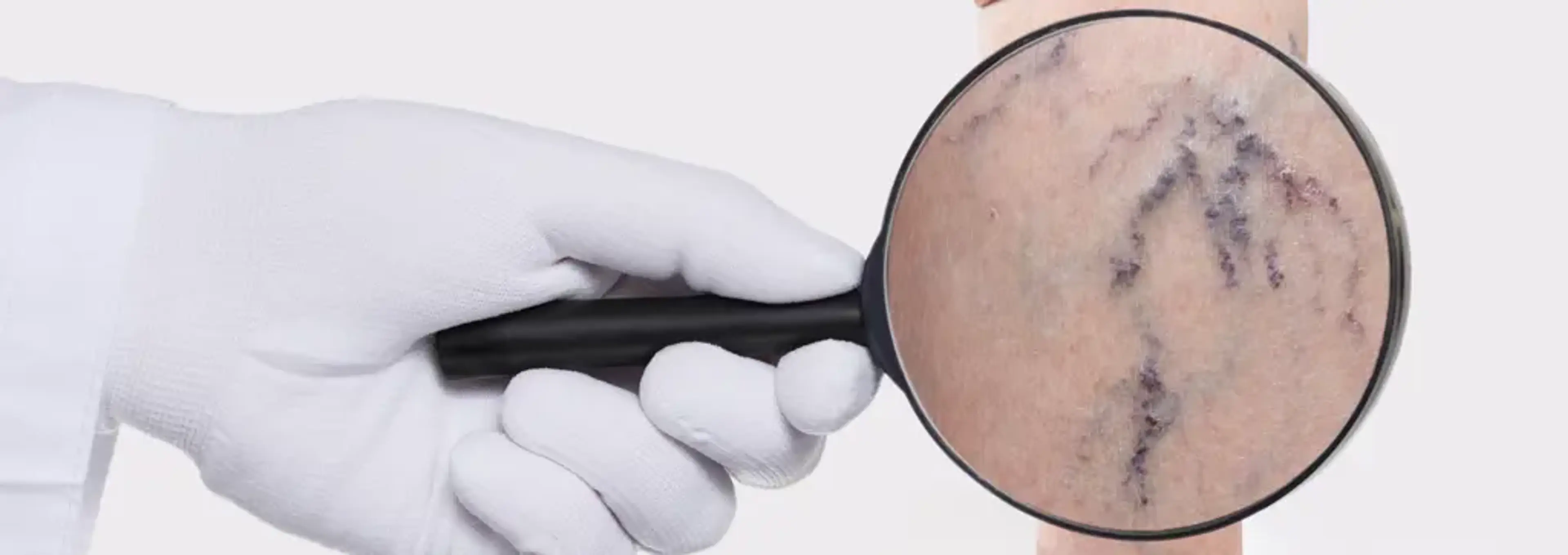
Varicose veins are a common concern for many individuals, especially as they age. These swollen, twisted veins are often visible on the surface of the legs and can cause discomfort, pain, and even more serious complications if left untreated. Fortunately, advances in medical technology have provided a variety of treatment options, and one of the most significant innovations has been the use of ultrasound in minimally invasive varicose vein treatments.
Ultrasound technology has revolutionized the way varicose veins are diagnosed and treated, offering both patients and healthcare providers numerous benefits. With the ability to guide procedures like Endovenous Laser Ablation (EVLA), Radiofrequency Ablation (RFA), and sclerotherapy with pinpoint accuracy, ultrasound plays a crucial role in enhancing the effectiveness, safety, and precision of these treatments. In this article, we will explore the critical role ultrasound plays in minimally invasive varicose vein procedures, its advantages, and how it enhances both the patient experience and treatment outcomes.
Before diving into the specifics of ultrasound-guided treatments, it's important to understand what varicose veins are and why they need to be treated. Varicose veins occur when the valves in the veins become weakened or damaged, causing blood to flow backward and pool in the veins. This creates the characteristic bulging and twisting of veins, which can be unsightly and uncomfortable.
In many cases, varicose veins are simply a cosmetic issue. However, they can also lead to more serious health concerns, including leg ulcers, blood clots, and chronic venous insufficiency. Symptoms like swelling, pain, cramping, and a feeling of heaviness can significantly impact a person's quality of life. As such, treatment is essential not only to improve the appearance of the legs but also to prevent further complications.
Traditional methods for treating varicose veins involved more invasive surgery, such as vein stripping. However, these older methods often required long recovery times, significant discomfort, and higher risks. Today, thanks to advancements in medical technology, minimally invasive procedures have emerged as a safer, more effective option for treating varicose veins.
Ultrasound, or more specifically, vascular ultrasound, plays an essential role in the diagnosis and treatment of varicose veins. But what exactly is vascular ultrasound, and why is it so crucial in vein care?
Vascular ultrasound is a non-invasive imaging technique that uses high-frequency sound waves to create detailed images of the blood vessels in the body. It allows healthcare providers to visualize veins and arteries, monitor blood flow, and detect abnormalities such as blood clots, venous reflux (backward blood flow), and other vascular issues.
In varicose vein treatment, ultrasound serves as a critical tool for mapping the veins. It helps the physician assess the size, location, and severity of varicose veins, which is crucial for planning the most effective treatment approach. Ultrasound can also be used during procedures to guide the catheter, laser, or sclerotherapy injections, ensuring that the treatment is delivered directly to the affected veins with minimal disruption to surrounding tissues.
The process of ultrasound is straightforward. A gel is applied to the skin, and a small device called a transducer is moved over the area of concern. The transducer emits sound waves, which bounce off the blood vessels and return to the device. These sound waves are then converted into images displayed on a screen. The healthcare provider uses these images to guide treatment and monitor the progress of the procedure in real-time.
Ultrasound is particularly beneficial in minimally invasive treatments because it allows the physician to work with pinpoint accuracy. This ensures that the treatment is targeted directly at the problematic veins, reducing the risk of errors and improving overall outcomes.
Varicose veins can be complex, and each patient’s case is unique. By using ultrasound, healthcare providers are able to gather essential information before, during, and after treatment. For instance, ultrasound is crucial for assessing whether there is venous reflux, which often causes the veins to become varicose in the first place. Without a proper assessment of venous reflux, the treatment could be less effective.
In addition, ultrasound ensures that treatments like EVLA, RFA, and sclerotherapy are performed with precision. These treatments rely on the accurate targeting of veins, and ultrasound provides the necessary real-time imaging to guide the catheter or needle to the exact location, ensuring that the treatment is delivered effectively and efficiently.
One of the most significant benefits of ultrasound technology is its ability to guide various minimally invasive procedures that treat varicose veins. These treatments offer several advantages over traditional surgical methods, including shorter recovery times, fewer complications, and less discomfort. Some of the most common minimally invasive treatments that benefit from ultrasound guidance include:
EVLA is a laser-based treatment that uses heat to close off damaged veins. With the help of ultrasound, the physician can precisely guide the laser catheter to the problem veins, ensuring that the laser energy is delivered exactly where it is needed. This reduces the risk of damaging surrounding tissues and allows for more effective vein closure. The procedure is minimally invasive, and patients typically experience minimal discomfort and a quicker recovery compared to traditional vein stripping.
RFA is similar to EVLA but uses radiofrequency energy instead of laser energy. The ultrasound helps guide the catheter to the affected vein, ensuring the radiofrequency energy is applied directly to the vein wall. This procedure is also minimally invasive and provides similar benefits to EVLA, such as a lower risk of complications and faster recovery times.
Sclerotherapy involves injecting a chemical solution into the varicose veins to cause them to close and eventually fade away. Ultrasound guidance helps the physician target the veins accurately, ensuring that the sclerosing agent is injected directly into the problem area. This enhances the treatment’s effectiveness and minimizes the risk of side effects, such as skin discoloration or scarring.
In addition to EVLA, RFA, and sclerotherapy, other innovative treatments like Clarivein, which combines mechanical and chemical therapy, also use ultrasound to guide the catheter or injection into the vein. By providing real-time imaging, ultrasound enhances the precision and efficiency of these techniques, leading to better outcomes for patients.
One of the major advantages of ultrasound in minimally invasive varicose vein treatments is its ability to significantly improve the precision of procedures. Traditional methods of treating varicose veins can often be more invasive, leading to longer recovery times, higher risks of complications, and less predictable results. Ultrasound, however, provides real-time imaging, enabling physicians to visualize the veins during treatment and ensuring that the procedure is as targeted and effective as possible.
Ultrasound offers real-time imaging, which is essential in modern varicose vein treatments. As the procedure progresses, ultrasound allows the physician to see the exact location of the catheter, laser, or sclerotherapy needle. This real-time visualization allows for immediate adjustments if necessary, ensuring the treatment is applied precisely to the targeted veins while minimizing any impact on surrounding tissues.
For instance, during Endovenous Laser Ablation (EVLA) or Radiofrequency Ablation (RFA), the physician can monitor the position of the catheter within the vein and ensure that the energy is applied exactly where it’s needed. This reduces the risk of errors and minimizes damage to healthy tissue, leading to safer treatment and faster recovery.
Ultrasound is also crucial in the initial phase of varicose vein treatment—mapping the veins. Before starting any procedure, the physician must assess the exact location and severity of the varicose veins. Ultrasound helps visualize the veins’ structure and identify areas of venous reflux (backward blood flow), which is often the root cause of varicose veins.
Using ultrasound, the physician can create a detailed map of the veins, including their size, shape, and position. This information is key to determining which veins need treatment and which do not. With ultrasound guidance, the physician can plan the most effective approach for each patient, ensuring optimal results with minimal risk.
One of the greatest benefits of ultrasound-guided treatments is the significant reduction in risks and side effects compared to traditional surgeries. Traditional vein surgeries often carry a higher risk of complications like nerve damage, scarring, and skin discoloration. Ultrasound helps eliminate these concerns by providing a clear, accurate view of the veins and surrounding tissues.
With precise imaging, the physician can ensure that the catheter, laser, or sclerotherapy needle is placed in the correct position, minimizing the chances of damaging healthy tissue or causing unnecessary injury. This not only enhances safety but also reduces the likelihood of post-treatment complications, promoting a quicker and more comfortable recovery for patients.
One of the many advantages of ultrasound in varicose vein treatments is its role not only during the procedure but also before and after the treatment. The use of ultrasound in the pre-treatment and post-treatment phases ensures that the procedure is tailored to each patient’s specific condition and that the results are monitored for long-term success.
Before any treatment begins, an ultrasound is typically used to evaluate the extent and severity of varicose veins. The physician will use ultrasound to map out the veins and identify any venous reflux or other issues that may need to be addressed during the procedure. This initial evaluation helps the physician create a personalized treatment plan that targets the specific veins causing the issue, ensuring the most effective outcome.
The pre-treatment ultrasound also allows the physician to measure the size of the veins, the presence of any blood clots, and the overall health of the vascular system. By gathering this information, the physician can determine which treatment options, such as EVLA, RFA, or sclerotherapy, would be the most appropriate for the patient’s needs.
Once the procedure is complete, ultrasound continues to play an important role in ensuring the success of the treatment. Post-treatment ultrasound monitoring is used to check if the treated veins have closed properly and if there are any signs of complications, such as blood clots or incomplete vein closure. This follow-up process is essential to ensure that the treatment has achieved the desired results and that the patient’s vascular health is improving.
Ultrasound can also be used during follow-up appointments to monitor the patient's progress and check for any signs of vein recurrence. If necessary, additional treatments can be planned based on the results of the ultrasound. This ongoing monitoring ensures that the patient’s condition is continuously managed and that they achieve the best long-term results.
Ultrasound plays a vital role in treating varicose veins, offering several advantages that enhance the safety, effectiveness, and comfort of minimally invasive procedures. Below are some of the key benefits:
One of ultrasound’s biggest advantages is its non-invasive nature. Unlike traditional surgery, which requires incisions and stitches, ultrasound-based treatments like sclerotherapy, EVLA, and RFA are non-invasive and performed on an outpatient basis. This means no cuts, no stitches, and a much quicker recovery, allowing patients to return home the same day.
Ultrasound provides real-time, high-resolution imaging that guides the treatment with pinpoint accuracy. During procedures like EVLA and RFA, it helps the physician target the affected vein directly, ensuring the laser or radiofrequency energy is applied precisely. This reduces the risk of harming surrounding tissues and increases the effectiveness of the treatment.
Because ultrasound-guided treatments are minimally invasive, recovery times are significantly shorter than with traditional surgery. Most patients can resume normal activities within a few days, experiencing only minimal discomfort. Additionally, the precision of ultrasound ensures a faster healing process, as there’s less trauma to the surrounding tissues.
Ultrasound-guided treatments are designed to be as comfortable as possible. Since there are no invasive tools like large incisions, the procedure is less painful than traditional surgery. Real-time imaging also allows the physician to adjust the treatment during the procedure, helping to minimize any discomfort and providing a more comfortable overall experience.
Dr. Insoo Park and his skilled team of vascular specialists leverage ultrasound to create detailed vein maps. This allows them to pinpoint the exact location of varicose veins and customize the treatment for each patient. This level of precision enhances the effectiveness of the treatment while minimizing potential complications.
The clinic’s team of vascular surgeons, led by Dr. Insoo Park, is renowned for its expertise in ultrasound-guided techniques. Dr. Park, a respected figure in vascular surgery, has vast experience in treating varicose veins with minimally invasive methods. He is dedicated to providing personalized care tailored to each patient’s unique condition and needs.
Ultrasound-guided procedures are performed with the highest standards of care in facilities that are designed for precision, comfort, and safety. The clinic’s advanced equipment ensures that each treatment is carried out with the utmost accuracy, offering patients a smooth and efficient experience.
Ultrasound technology has completely transformed the way varicose veins are treated, and its impact extends far beyond just convenience or comfort. It has become a cornerstone in the evolution of vascular care, particularly in minimally invasive treatments. By enabling real-time visualization, ultrasound allows for unprecedented accuracy and precision, improving patient outcomes and satisfaction.
Minimally invasive treatments guided by ultrasound offer patients a safer, more efficient alternative to traditional vein surgery. With reduced recovery times, fewer complications, and more predictable results, these treatments are becoming the gold standard in varicose vein care. This global shift towards ultrasound-guided procedures has improved access to effective treatments for patients worldwide.
Looking ahead, the future of ultrasound in vascular care seems incredibly promising. As technology continues to advance, we can expect even more innovations in ultrasound imaging, making it easier to diagnose and treat vascular issues with even greater precision.
Ultrasound has proven to be an invaluable tool in the treatment of varicose veins, revolutionizing the way these conditions are diagnosed and treated. By providing real-time, high-resolution imaging, ultrasound ensures that minimally invasive treatments are performed with pinpoint accuracy, reducing risks and improving outcomes.