Home / Articles
The Role of Ultrasound Technology in Diagnosing and Treating Varicose Veins
Home / Articles
The Role of Ultrasound Technology in Diagnosing and Treating Varicose Veins
Varicose veins are a common vascular condition that affects millions of people worldwide. Characterized by swollen, twisted veins most commonly seen in the legs, varicose veins result from chronic venous insufficiency—a condition where the veins fail to efficiently return blood back to the heart. Beyond cosmetic concerns, varicose veins can cause symptoms like pain, swelling, heaviness, and fatigue in the legs, impacting a person’s daily life and overall well-being.
Proper diagnosis is a critical step in managing varicose veins effectively. Historically, diagnosis relied heavily on physical examinations and patient-reported symptoms, which sometimes resulted in incomplete or inaccurate assessments. This changed dramatically with the introduction and advancement of ultrasound technology in vascular medicine.
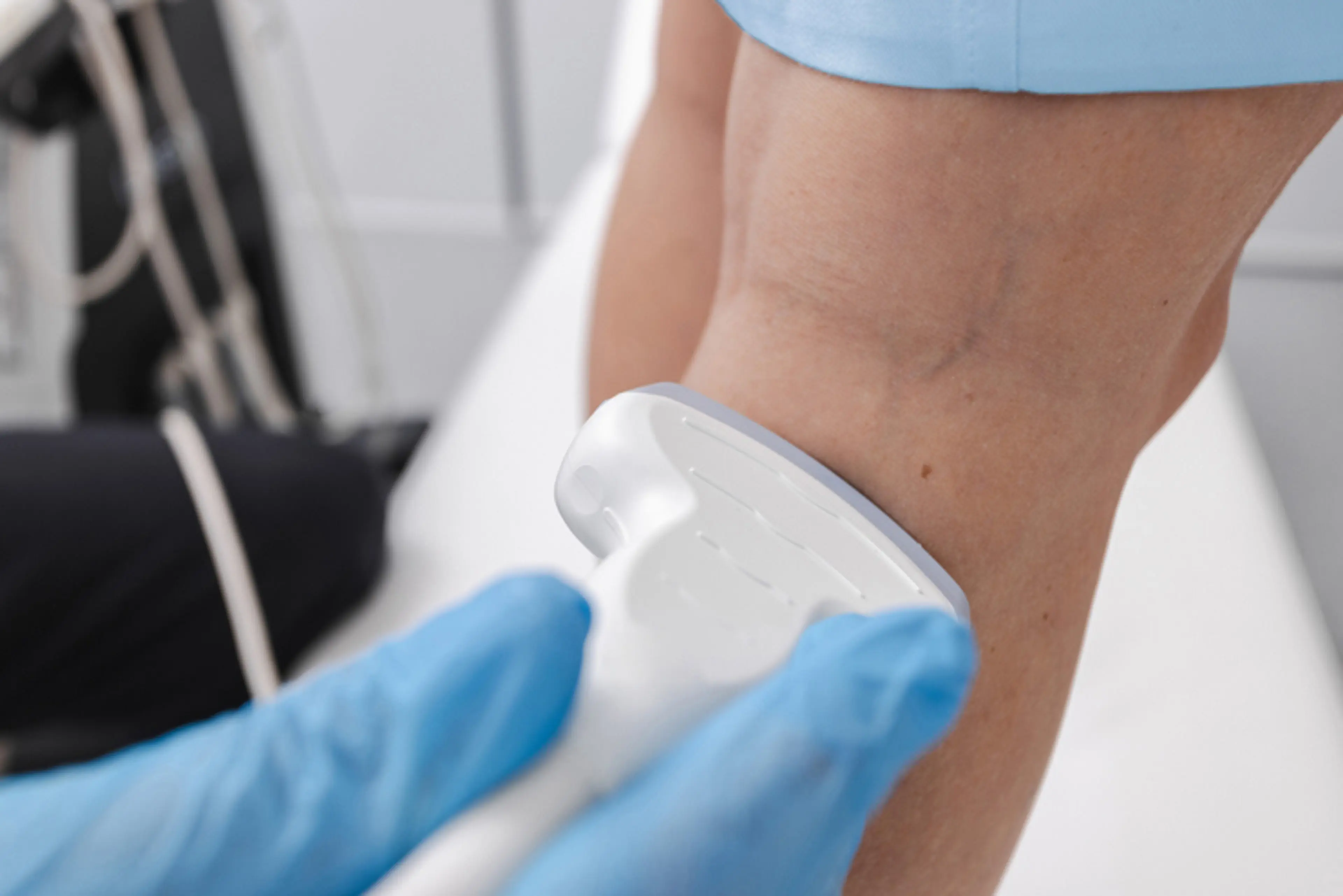
Ultrasound technology uses high-frequency sound waves to create real-time images of the veins and blood flow inside the body. It has become an indispensable tool in diagnosing and treating varicose veins because it provides a clear, non-invasive way to visualize the venous system. This allows doctors to precisely locate vein abnormalities, understand the severity of venous reflux (the backward flow of blood), and tailor treatment plans accordingly.
Today, ultrasound-guided procedures are considered the gold standard in varicose vein care worldwide. This technology not only improves diagnostic accuracy but also enhances the safety and effectiveness of minimally invasive treatments, providing patients with better outcomes and quicker recovery times.
In the context of varicose veins, this technology helps clinicians assess the structure and function of the venous system. The ultrasound probe emits sound waves that bounce off the vein walls and red blood cells, producing images and flow data. These images reveal the location of faulty valves, vein diameter, and areas where blood is pooling instead of moving toward the heart.
Ultrasound equipment today has evolved with high-resolution imaging capabilities, allowing clinicians to see even the smallest veins and detect early signs of venous insufficiency. Additionally, portable ultrasound machines enable vascular specialists to perform detailed assessments conveniently in clinic settings.
Ultrasound also helps differentiate varicose veins from other conditions such as deep vein thrombosis (DVT), ensuring that patients receive safe and appropriate care.
A real-world example involves a patient with complicated varicose veins and leg swelling. Using ultrasound, the vascular surgeon identified multiple reflux points, including smaller tributary veins that were not visible during the physical exam. This comprehensive diagnosis allowed for a tailored treatment plan that successfully resolved symptoms.
By improving diagnostic precision, ultrasound technology reduces the risk of incomplete treatments and recurrence, offering patients lasting relief.
During these procedures, the vascular specialist uses real-time ultrasound imaging to guide thin catheters or laser fibers into the targeted veins. This guidance ensures the treatment is delivered exactly where needed, minimizing damage to surrounding tissues and reducing complications.
Ultrasound is also used post-treatment to monitor the closure of treated veins and to check for any complications such as deep vein thrombosis or incomplete vein closure. Regular ultrasound follow-ups help ensure the success of treatment and guide further management if necessary.
The integration of ultrasound technology in both diagnosis and treatment highlights its essential role in modern varicose vein care—providing safer, more effective, and patient-friendly options compared to traditional surgery.
The safety profile of ultrasound technology remains excellent, with no exposure to ionizing radiation or invasive procedures required. These advancements have contributed to the growing global popularity of ultrasound-guided varicose vein treatments, which are now widely accepted as the preferred standard of care.
Looking forward, ongoing research is exploring the integration of artificial intelligence (AI) to further enhance image interpretation and predictive analytics in venous disease management. These future trends promise to make varicose vein care even more precise and personalized.
Success stories from Charm Vascular Clinic highlight significant improvements in symptoms, cosmetic outcomes, and quality of life, supported by thorough post-treatment ultrasound monitoring and follow-up care.
Choosing Charm Vascular Clinic means accessing world-class vascular care with state-of-the-art ultrasound technology — a combination that maximizes treatment effectiveness and patient satisfaction in managing varicose veins.
Before treatment, the ultrasound diagnostic process is quick, painless, and non-invasive. The vascular specialist explains the findings clearly, ensuring patients understand their condition and the proposed treatment options. This transparency helps alleviate anxiety and build trust.
During minimally invasive treatments such as endovenous laser ablation or radiofrequency ablation, ultrasound guidance allows for precise targeting of diseased veins. This results in minimal discomfort and significantly shorter procedure times compared to traditional surgery. Most treatments are performed on an outpatient basis, allowing patients to return home the same day.
Recovery is typically swift. Many patients experience only mild bruising or soreness, which resolves within a few days to weeks. Wearing compression stockings, as recommended by the clinic, supports healing and improves results. Follow-up ultrasound examinations ensure treated veins remain closed and that the overall venous system is functioning properly.
Ultimately, successful varicose vein treatment using ultrasound technology not only alleviates physical symptoms but also boosts self-confidence and quality of life. Patients often report renewed comfort in daily activities and improved leg appearance, contributing to overall well-being.
Ultrasound technology has transformed the diagnosis and treatment of varicose veins, making care safer, more accurate, and less invasive than ever before. From initial vein mapping to ultrasound-guided minimally invasive therapies, this technology enables precise treatment tailored to each patient’s unique vascular needs.
The global rise in ultrasound-guided varicose vein treatments reflects their proven effectiveness and patient-friendly nature. Advances in imaging and procedure techniques continue to enhance outcomes and recovery experiences, promising a bright future for vascular health care.
If you or a loved one suffer from varicose veins, don’t wait to improve your vascular health and quality of life. Schedule a consultation at Charm Vascular Clinic today to experience comprehensive ultrasound-based diagnosis and personalized treatment plans designed to provide lasting relief.
Your journey to healthier veins and renewed confidence starts here—with Charm Vascular Clinic, where technology meets compassionate care.