Introduction
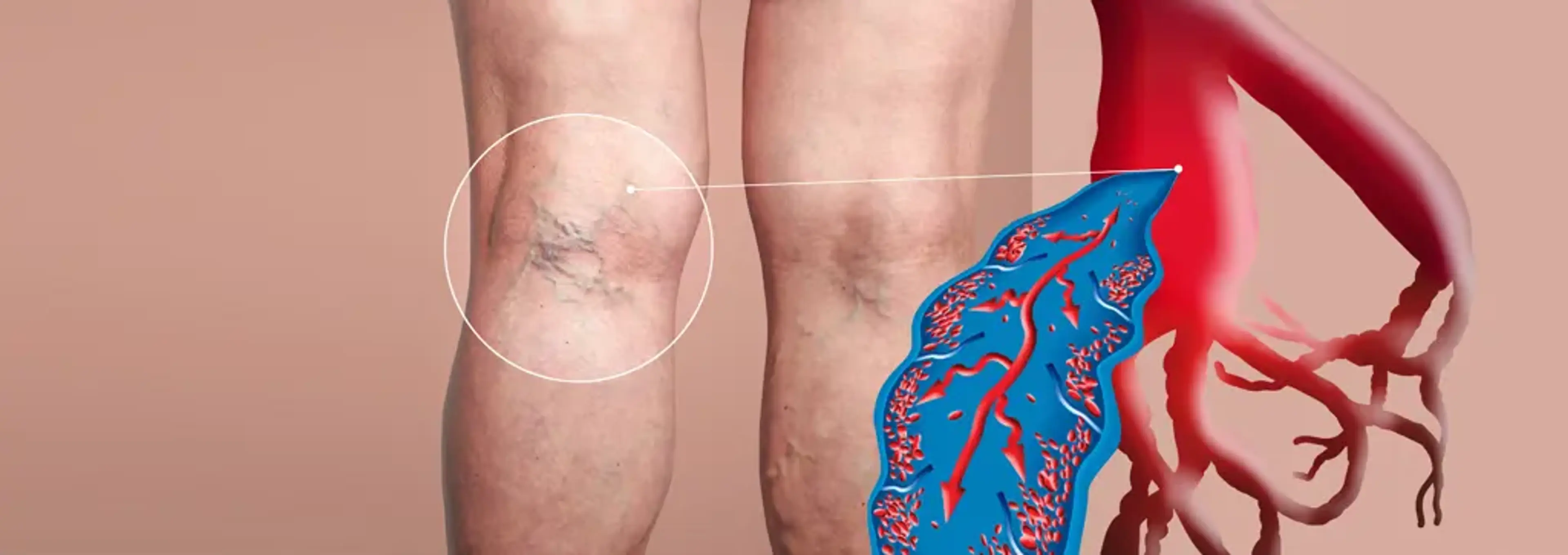
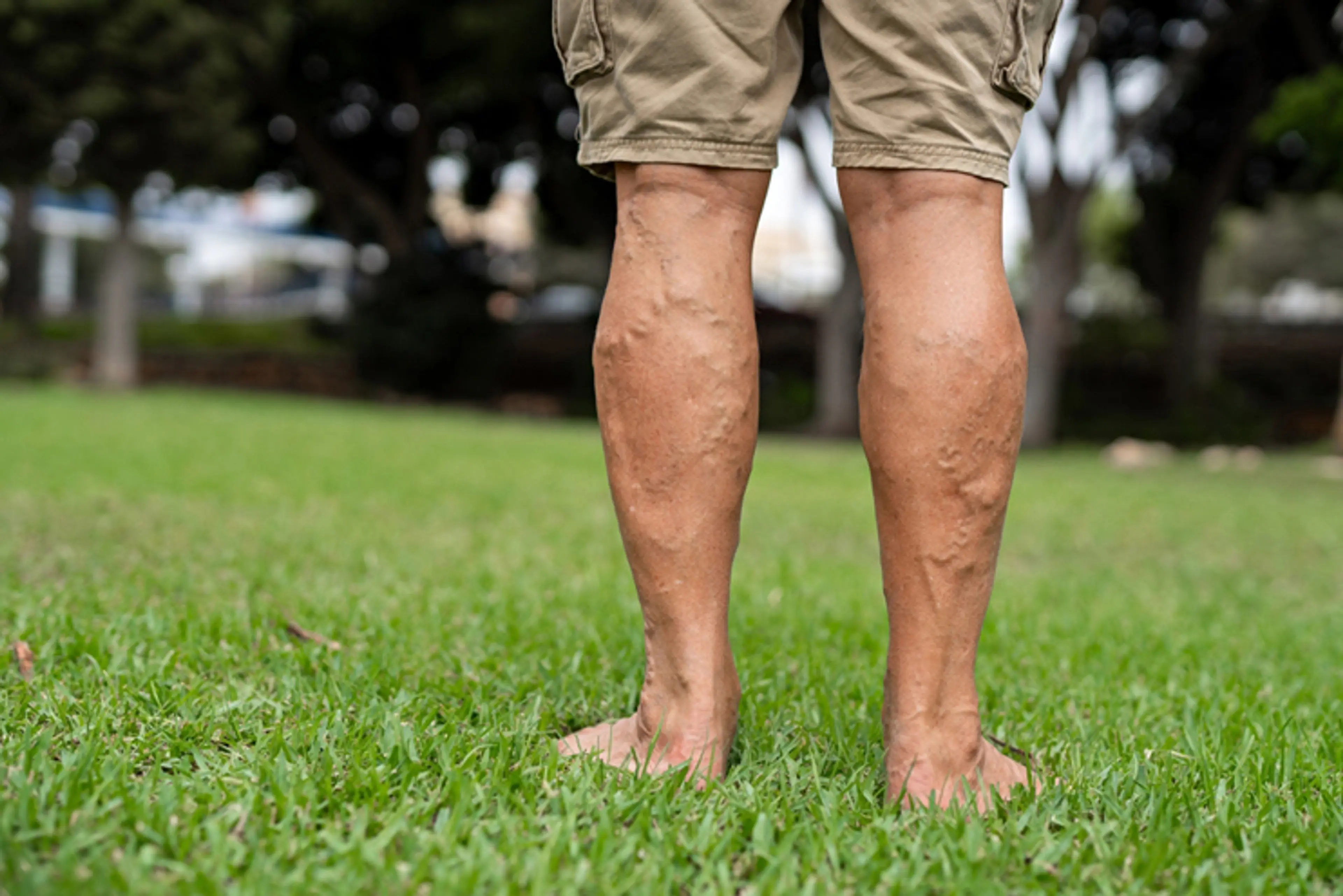
vein-ligation-surgery:-when-is-it-recommended-for-severe-varicose-veinsImagine standing in line at a Seoul subway station during rush hour, and your legs feel unbearably heavy — as though someone tied weights around your ankles. For many people with severe varicose veins, this is not just fatigue; it’s the daily reminder that their veins are struggling. While modern medicine offers a range of minimally invasive solutions, in certain cases, vein ligation surgery still has an important role.
At Charm Vascular Clinic, we often meet patients who ask, “Do I really need surgery? Or will a laser treatment be enough?” The truth is, the answer depends on the severity and anatomy of your varicose veins, as well as your overall health.
What Exactly Is Vein Ligation Surgery?
what-exactly-is-vein-ligation-surgeryVein ligation is a traditional but time-tested surgical method used to treat severe varicose veins. In simple terms, the surgeon “ties off” (ligates) the faulty vein at its connection points to stop abnormal blood flow. Often, this is combined with stripping, where the diseased vein is physically removed through small incisions.
While techniques like Endovenous Laser Ablation (EVLA), Radiofrequency Ablation (RFA), and VenaSeal™ have become the gold standard for most cases, vein ligation surgery remains an important option — especially when:
The veins are too large or tortuous for catheters.
The patient has extensive reflux involving the great saphenous vein (GSV) or small saphenous vein (SSV).
Minimally invasive options have failed or are not suitable due to anatomy.
Think of it like plumbing: if the pipe is mildly clogged, a small cleaning device will do the job. But if the entire line is twisted, leaking, and beyond repair, sometimes you need to replace it altogether.
When Do Doctors Recommend Vein Ligation Surgery?
when-do-doctors-recommend-vein-ligation-surgeryAt our clinic, we rarely recommend ligation as the first option — because most patients can be treated with minimally invasive techniques. But there are situations where it becomes the necessary choice:
1. Severe, Advanced Varicose Veins (CEAP Classification C5–C6)
1.-severe-advanced-varicose-veins-(ceap-classification-c5-c6)Patients with skin changes such as thickening, darkening, or venous ulcers may require more aggressive intervention. In these advanced stages, surgery often provides faster and more definitive relief.
2. Extremely Large or Tortuous Veins
2.-extremely-large-or-tortuous-veinsCatheter-based procedures rely on inserting a thin device into the vein. If the vein is too twisted, the device cannot pass through safely. In such cases, surgery remains the safer option.
3. Failed or Recurrent Varicose Veins
3.-failed-or-recurrent-varicose-veinsSome patients undergo laser or radiofrequency ablation but later experience recurrence. If the vein pathway has already been altered, ligation and stripping may be needed for complete resolution.
4. Younger Patients with Extensive Reflux
4.-younger-patients-with-extensive-refluxIn younger patients, especially those with severe reflux at the saphenofemoral junction (where the superficial vein connects to the deep vein), surgery may be considered to ensure long-term durability.
5. Combined Procedures
5.-combined-proceduresSometimes, ligation is performed alongside other minimally invasive methods to maximize effectiveness — for example, tying off the junction while using laser ablation for smaller branches.
How Is Vein Ligation Surgery Performed?
how-is-vein-ligation-surgery-performed
The procedure is done under either general or spinal anesthesia. A small incision is made near the groin (for the great saphenous vein) or behind the knee (for the small saphenous vein). The faulty vein is tied off, and if necessary, removed using a stripping technique.
Most patients can go home the same day or the next morning. Recovery usually takes 1–2 weeks, though bruising and mild discomfort are common. Compression stockings are typically prescribed afterward to support healing.
Benefits and Risks of Vein Ligation Surgery
benefits-and-risks-of-vein-ligation-surgeryLike all procedures, vein ligation has both advantages and drawbacks.
✅ Benefits:
Provides definitive removal of the diseased vein
Effective for severe or complex anatomy
Long-term symptom relief in advanced cases
⚠️ Risks:
Longer recovery compared to minimally invasive methods
Higher chance of bruising, scarring, and postoperative discomfort
Risk of nerve injury near the leg
Rare recurrence if tiny side branches remain untreated
At Charm Vascular Clinic, our approach is always to balance these pros and cons with the patient’s unique situation.
Why Minimally Invasive Options Are Preferred First
why-minimally-invasive-options-are-preferred-first
In South Korea, patients increasingly prefer laser ablation, radiofrequency, or VenaSeal™, because they allow same-day recovery, minimal scarring, and excellent long-term results.
But — and this is important — not every vein is suitable for these methods. One of the most overlooked realities is that vein anatomy can vary dramatically. Two patients may have varicose veins that look similar on the surface, yet require very different treatments once we evaluate them with ultrasound.
This is why personalized vascular ultrasound mapping at a specialized clinic is essential before deciding on surgery or minimally invasive therapy.
A Patient’s Story (What We See in Our Clinic)
a-patient's-story-(what-we-see-in-our-clinic)Not long ago, a 58-year-old woman came to our clinic after years of leg swelling, pain, and skin discoloration. She had tried compression stockings and even a prior laser procedure at another hospital, but her condition worsened.
Our ultrasound revealed that her great saphenous vein was massively dilated and too tortuous for catheter insertion. In her case, ligation and stripping surgery was the safest choice. Within three weeks, her ulcers began healing, and she could walk comfortably again.
This kind of outcome reminds us why surgical options still matter, even in an era of minimally invasive treatments.
Should You Consider Vein Ligation Surgery?
should-you-consider-vein-ligation-surgeryIf you’ve been told your varicose veins are “too severe” for laser or if you’ve experienced recurrence after prior treatment, vein ligation may be the right step. But for most patients, modern minimally invasive treatments remain the first choice.
The key is not to guess or self-diagnose. Instead, get a vascular ultrasound evaluation by a specialist who can map your veins and recommend the safest, most effective treatment plan.
Final Thoughts
final-thoughtsVaricose veins are not just a cosmetic nuisance — they are a medical condition that can progress to serious complications if untreated. While minimally invasive treatments have transformed vascular care, vein ligation surgery still plays a vital role in advanced or complex cases.
At Charm Vascular Clinic in Seoul, we believe treatment should never be one-size-fits-all. Whether you need laser ablation, VenaSeal™, or surgery, the decision should be made after a careful evaluation of your vein anatomy and long-term health.
👉 If you’ve been struggling with severe varicose veins, consider a consultation with a specialized center like Charm Vascular Clinic. A personalized treatment plan — surgical or minimally invasive — can help you regain comfort, mobility, and peace of mind.