Home / Articles
Veins Showing Through Your Skin? What It Could Mean for Your Health
Home / Articles
Veins Showing Through Your Skin? What It Could Mean for Your Health
If you’ve ever caught a glimpse of your arms, legs, or hands and thought, “Why are my veins so visible all of a sudden?” — you’re not alone. At Charm Vascular Clinic in Seoul, we hear this question often, and the truth is: sometimes it’s normal. But other times, it’s a sign your body’s circulation may need a closer look.
Let’s break down what it actually means when your veins become more visible — from harmless causes to more serious vein health issues — and when it’s worth seeing a specialist.
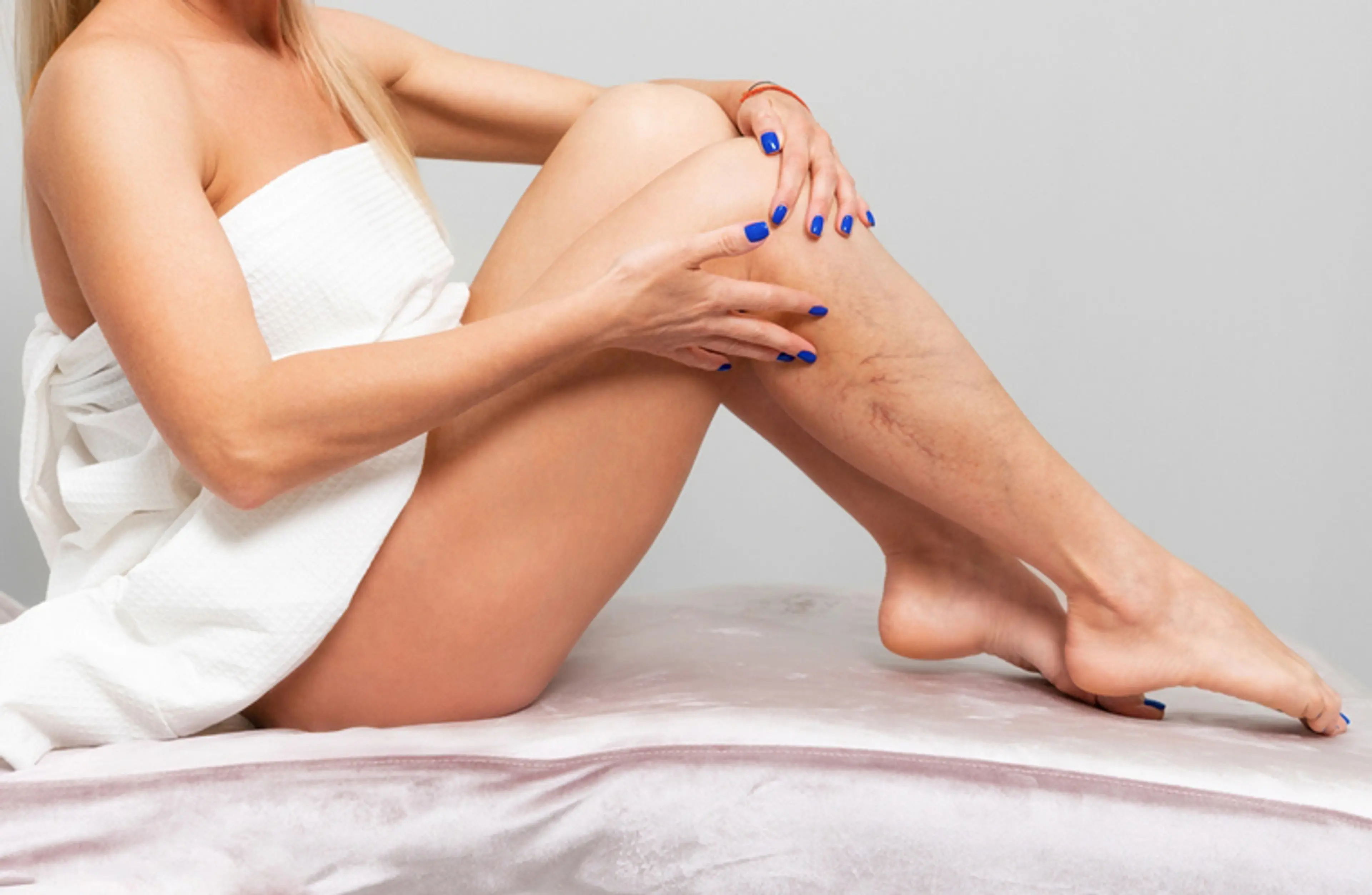
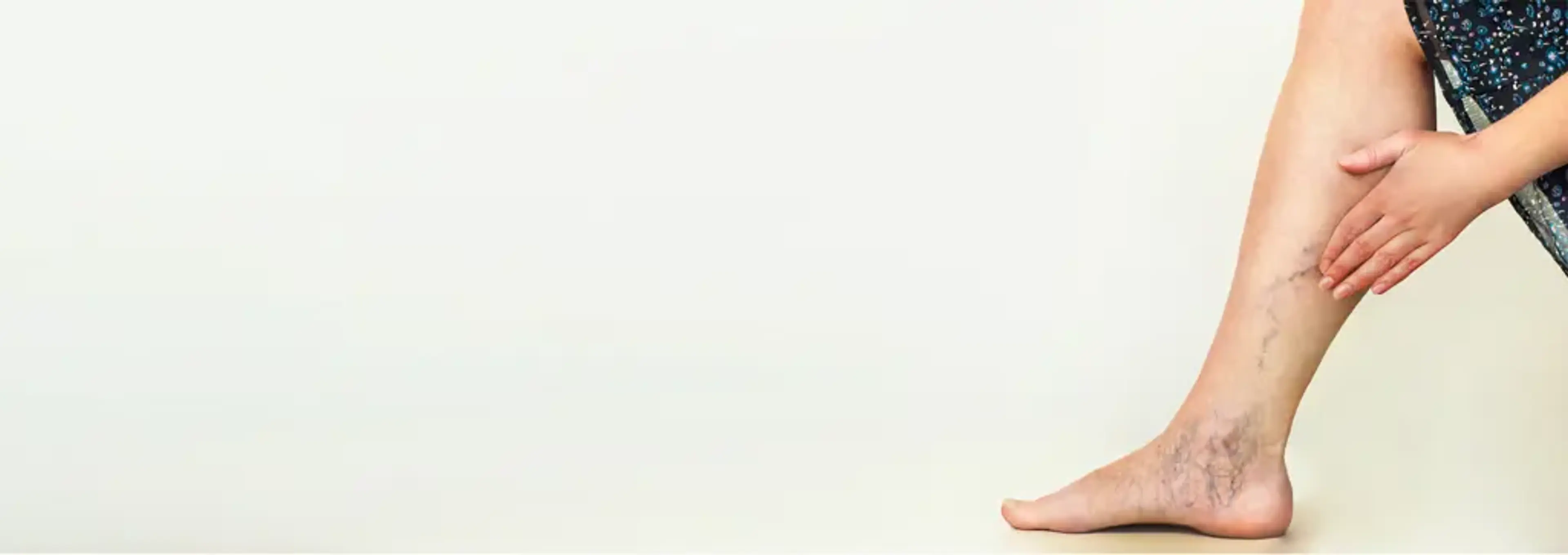
We’re talking about veins that appear as blue, green, or purplish lines under the skin. In some cases, they even bulge slightly above the surface. You’ll commonly notice them on your hands, forearms, thighs, calves, or ankles.
They may become more prominent:
After a tough workout
In warm weather
With aging, as skin becomes thinner
Or just because of your natural body type
To us as vascular specialists, visible veins are more than skin-deep. They’re part of your blood’s return system — bringing deoxygenated blood back to the heart. When they become unusually visible or swollen, it can mean the pressure inside them is changing, and sometimes not in a good way.
Not all visible veins signal a problem. In fact, there are many everyday reasons that veins become more obvious — especially in Korea, where fitness culture, weight loss, and sun exposure are all part of life.
After strength training or cardio, your muscles swell and push veins closer to the skin. It’s a normal response to increased blood flow. This is why athletes often have very prominent veins.
Heat causes veins to dilate to help your body cool down. This makes them more visible temporarily — especially during summer in Seoul or after time in the sauna.
If you’re naturally slim or have recently lost weight, you have less fat cushioning between your veins and your skin. Also, as we age, skin thins and loses collagen — making veins more prominent.
Some people are just naturally veinier. If visible veins run in your family, that’s likely part of the reason.
Prolonged standing or sitting (like during a workday), tight clothing, or even dehydration can increase venous pressure and make your veins stand out more.
In all these cases, visible veins are more of a cosmetic issue than a medical one. Still, it’s good to monitor — especially if the appearance is new or seems to worsen over time.
This occurs when the one-way valves in your leg veins stop working properly. Instead of sending blood upward to the heart, blood flows backward and pools in your legs. This increases pressure, stretches the veins, and eventually causes them to bulge and show through the skin.
Heavy or aching legs, especially after standing
Swelling in the ankles or calves
Itching or skin discoloration around the ankles
Leg cramps, especially at night
New or worsening visible veins
Untreated CVI can progress and lead to skin changes, open sores (ulcers), and long-term discomfort. Many people mistake these early signs for just being “tired” — but as we often tell our patients, these symptoms are your veins asking for help.
Varicose veins are the more dramatic, twisted, rope-like veins you might notice bulging from the surface of the skin. Most often found in the legs, they occur when superficial veins become enlarged due to poor valve function and high internal pressure.
They aren’t just cosmetic:
They may ache, throb, or cause burning sensations.
They often get worse over time.
They can be an indicator of deeper vein issues below the surface.
If your visible veins are starting to bulge or twist — or if they’ve gone from faint to prominent over time — it’s time to consider a vascular evaluation.
One leg is suddenly swollen, red, or warm to the touch
There’s pain or tenderness in the calf
Veins seem more prominent and appear alongside skin changes or shortness of breath
These symptoms may indicate a clot or serious blockage in the deep veins, and early treatment is critical.
In Korean healthcare, there’s a strong culture of preventive care — and this absolutely applies to vein health. At Charm Vascular Clinic, we see countless cases where early treatment prevented years of discomfort or complications.
So yes, visible veins can be harmless. But when they’re signaling something more, it’s worth listening early — not later.
You don’t need to wait for a medical emergency to care for your veins. Here’s how to start being proactive:
And of course, if symptoms persist or worsen — that’s the time to consult a vascular specialist.
You don’t need to wait until you’re in pain. Here are some common reasons patients come to Charm Vascular Clinic:
New or worsening visible veins, especially in the legs
Leg heaviness, swelling, or skin darkening around the ankles
Twisted, bulging veins that are growing or causing discomfort
A family history of varicose veins or venous disease
Peace of mind — to rule out deeper vein problems
If you’re noticing your veins more than before, don’t panic — but don’t ignore it either. Your veins are a communication channel from your body to you. Sometimes they’re just reacting to heat or activity. Other times, they’re quietly telling you something isn’t flowing right.
At Charm Vascular Clinic, we believe vein care is health care — not vanity. Whether your concern is comfort, appearance, or preventing future issues, we’re here to help you understand what your veins are saying and guide you to the right solution.