Introduction
venaseal:-is-the-"glue"-treatment-for-varicose-veins-the-right-choice-for-youIf you’ve been told you have varicose veins, you’ve probably come across many treatment options — compression stockings, sclerotherapy injections, laser ablation, radiofrequency ablation, and now something that almost sounds too simple: a medical “glue.”
This treatment is known as VenaSeal™, and over the past decade it has been quietly reshaping the way doctors treat chronic venous insufficiency and varicose veins. But is it really the right choice for you?
At Charm Vascular Clinic in Seoul, we meet patients every week who are both intrigued and uncertain about VenaSeal. Some ask, “Is it safe to leave glue in my vein?” Others worry about long-term results, or whether it’s worth the cost. These are valid concerns. In this article, we’ll explore what VenaSeal is, how it works, and who might benefit most from this innovative treatment.
What Exactly Is VenaSeal?
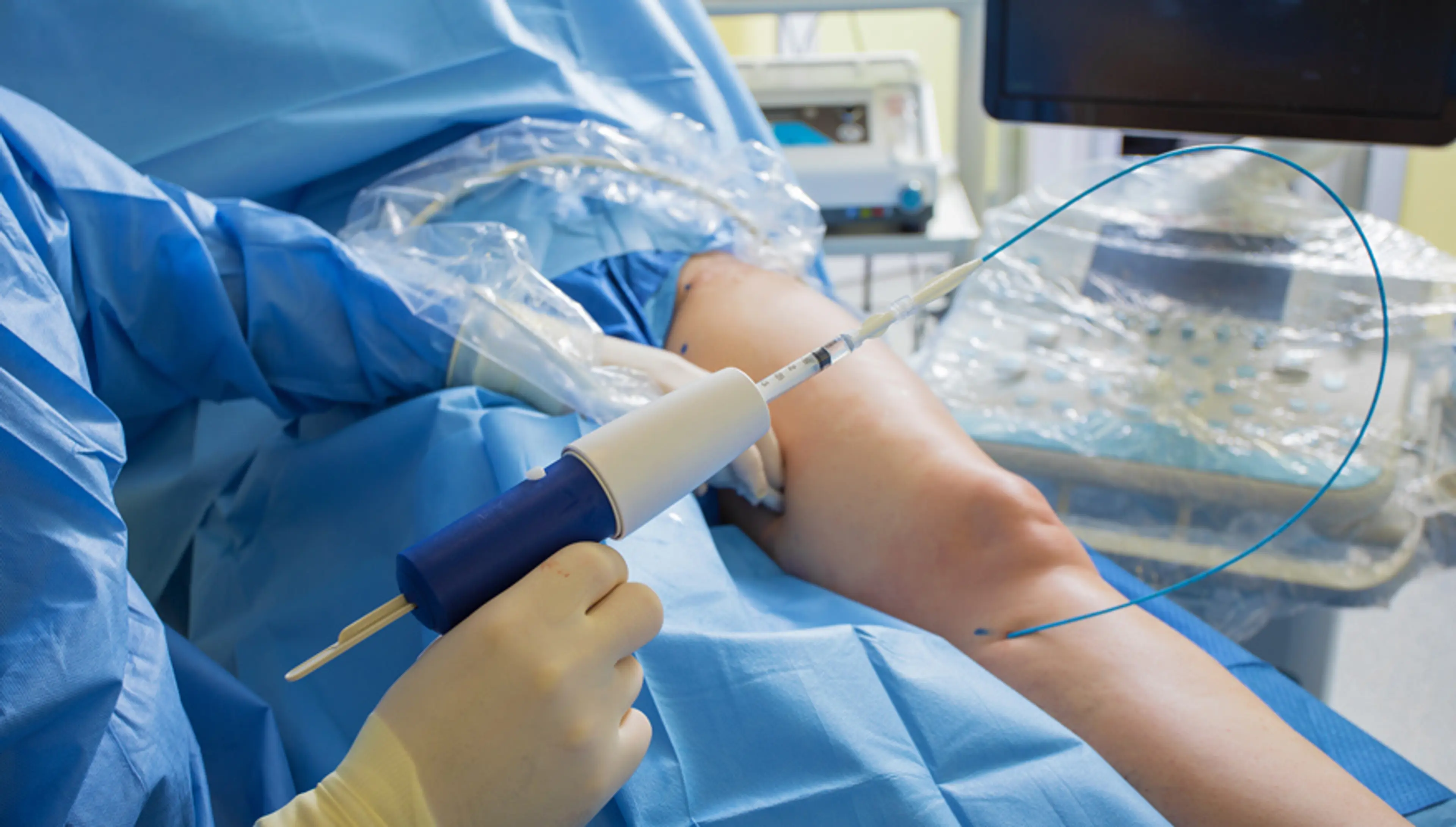
what-exactly-is-venasealVenaSeal is a minimally invasive, catheter-based treatment for varicose veins. It uses a specially formulated cyanoacrylate medical adhesive — a type of “super glue” designed for the human body. This adhesive has been safely used in other areas of medicine for decades, including sealing wounds, controlling bleeding during surgery, and even closing blood vessels in the brain.
In the case of varicose veins, the principle is straightforward: instead of using heat energy (like laser or radiofrequency) or chemicals (like sclerotherapy foam) to close a diseased vein, VenaSeal simply seals the vein shut with adhesive.
Once sealed, the body slowly absorbs the non-functioning vein, and blood flow is naturally rerouted to healthier veins.
Think of it like plumbing: if one pipe in your home is cracked and leaking, you can try patching it, replacing it, or — in this case — sealing it from the inside so that water flows through stronger, intact pipes. That’s what VenaSeal does for your legs.
Why Patients Are Drawn to VenaSeal
why-patients-are-drawn-to-venasealTo be honest, the simplicity of VenaSeal is what patients often love most. For decades, varicose vein treatments carried a reputation of being painful and inconvenient. Traditional surgical stripping meant large incisions, long recoveries, and a risk of recurrence. Even modern thermal ablation procedures require multiple anesthesia injections along the length of the vein — something many patients dread.
With VenaSeal, things look very different. Some of its most appealing features include:
No heat, no burns, no nerve injury risks – because VenaSeal doesn’t rely on thermal energy, it avoids the potential side effects of laser and radiofrequency.
Minimal anesthesia – typically only one puncture site requires numbing, compared to 10–20 injections for thermal procedures.
Little to no bruising – most patients leave the clinic with legs that look nearly untouched.
Freedom from compression stockings – in many cases, stockings are not required after treatment, which is especially helpful in Korea’s humid summers when stockings are uncomfortable.
Quick return to normal life – most people resume daily activities immediately, and many go back to work the same day.
At Charm Vascular Clinic, we’ve seen patients treated with VenaSeal walk comfortably out of the clinic within 30 minutes, something that simply wasn’t possible with older surgical methods.
When VenaSeal May Be the Right Choice
when-venaseal-may-be-the-right-choice
While every patient’s condition is unique, VenaSeal tends to be an excellent fit for people who:
Cannot tolerate or strongly dislike compression stockings.
Want to avoid the multiple anesthesia injections required with laser or radiofrequency.
Lead busy lives and need the shortest downtime possible.
Have medical reasons (such as nerve proximity, thin skin, or bleeding disorders) that make thermal treatments less safe.
Have experienced discomfort or poor results with other treatments in the past.
For example, a 45-year-old office worker we recently treated had struggled with heavy, aching legs for years. She had tried stockings but gave up after two weeks in Seoul’s summer heat. Laser ablation was an option, but she worried about injections and downtime. VenaSeal gave her a nearly pain-free solution — and she was back at her desk the very next morning, without bandages or stockings.
What People Often Overlook: The Limitations
what-people-often-overlook:-the-limitationsLike all treatments, VenaSeal is not without its trade-offs. Here are some important considerations:
Cost – VenaSeal is typically more expensive than laser or radiofrequency ablation. In Korea, it is often not fully covered by insurance, meaning patients may face higher out-of-pocket expenses.
Long-term data – While studies now show excellent success rates beyond five years, laser and radiofrequency have been in use longer, so their track record is even more established.
Not ideal for every vein – Very large, tortuous (twisting) veins or certain anatomical variations may still respond better to thermal ablation or surgical phlebectomy.
Rare reactions – A very small percentage of patients experience mild inflammation or allergic-type reactions to the adhesive. These are typically self-limiting but worth discussing with your doctor.
This is why proper patient selection is critical. At Charm Vascular Clinic, every treatment begins with a detailed ultrasound mapping of your veins. We look not only at the visible bulging veins but also at deeper valves and tributaries. Sometimes the best results come from combining methods — for example, using VenaSeal for the main saphenous vein and sclerotherapy for smaller branches.
How Does VenaSeal Compare to Other Treatments?
how-does-venaseal-compare-to-other-treatments
Patients often ask us, “Which treatment is best?” The truth is that no single method is universally best — each has its strengths. Here’s a simple comparison:
Laser Ablation (EVLA): Extremely reliable and widely used. Requires multiple anesthesia injections. May cause some post-treatment bruising or discomfort.
Radiofrequency Ablation (RFA): Similar to laser, but uses radio waves to generate heat. Slightly gentler on tissues, but still requires anesthesia.
Foam Sclerotherapy: Great for smaller surface veins. Less durable for major saphenous veins. Usually requires multiple sessions.
VenaSeal: Virtually painless, no stockings needed, fastest recovery. Higher cost, and not always suitable for very large or twisted veins.
If you imagine your treatment options as tools in a toolbox, then VenaSeal is a newer, highly specialized tool — excellent in certain situations, but not the only one worth using.
A Doctor’s Perspective: What Matters Most
a-doctor's-perspective:-what-matters-mostAs vascular surgeons, what we’ve learned is that patients care less about the technology itself and more about how they’ll feel afterward.
Their biggest concerns are:
Will my legs look and feel lighter?
Will my symptoms go away and not come back?
Can I get this treated without disrupting my daily routine?
This is where VenaSeal has its greatest impact: it offers convenience and comfort without compromising effectiveness. But as doctors, we always emphasize that the real key is not the device — it’s the planning and precision behind the procedure.
Ultrasound mapping, careful patient selection, and honest conversations about expectations make the difference between a quick fix and a lasting solution.
Is VenaSeal Right for You?
is-venaseal-right-for-youIf you’ve been struggling with varicose veins and are considering treatment, VenaSeal may be an ideal choice — particularly if you value comfort, minimal downtime, and freedom from stockings.
However, it’s not the only option, and it may not be the best one for your anatomy or budget. That’s why personalized evaluation is so important. At Charm Vascular Clinic, we often combine VenaSeal with other methods for the best long-term outcome. The ultimate goal isn’t just to close a vein — it’s to restore your legs’ health and comfort for years to come.
Final Thoughts
final-thoughtsVaricose vein treatment has come a long way from the painful stripping surgeries of the past. Today, patients have choices: laser, radiofrequency, foam, or VenaSeal. Among these, VenaSeal stands out for its simplicity and comfort — a procedure that can transform your legs without stitches, stockings, or downtime.
But remember: no single treatment is perfect for everyone. The best results come from tailoring the therapy to your specific veins, your health condition, and your lifestyle.
If you’re wondering whether VenaSeal might be right for you, consider seeking a consultation at a specialized vascular clinic. At Charm Vascular Clinic in Seoul, we take the time to explain each option, answer your questions honestly, and design a treatment plan that works for your life.
👉 Your legs carry you through life. Don’t let varicose veins weigh them down. With modern treatments like VenaSeal, freedom and comfort are closer than you think.