Introduction
what-are-the-best-compression-socks-for-varicose-veinsIf you’ve ever felt your legs grow heavy after a long day on your feet, or noticed bulging blue veins creeping along your calves, you’re not alone. Varicose veins affect millions of people worldwide — and in Korea, where long commutes, office hours, and high heels are part of daily life, they’re especially common.
One of the simplest and most effective ways to manage varicose vein symptoms is through compression socks (also called compression stockings). But here’s the real question many of our patients at Charm Vascular Clinic ask: “What kind of compression socks actually work?”
Let’s walk through the essentials — what they are, why they matter, and how to choose the best pair for your unique legs.
Why Compression Socks Matter for Varicose Veins
why-compression-socks-matter-for-varicose-veinsTo understand why compression socks work, imagine your veins as the drainage pipes of your home. When they’re healthy, blood flows upward from the legs to the heart smoothly. But with varicose veins, those “pipes” lose their strength, valves become leaky, and blood pools downward, causing bulging, heaviness, and pain.
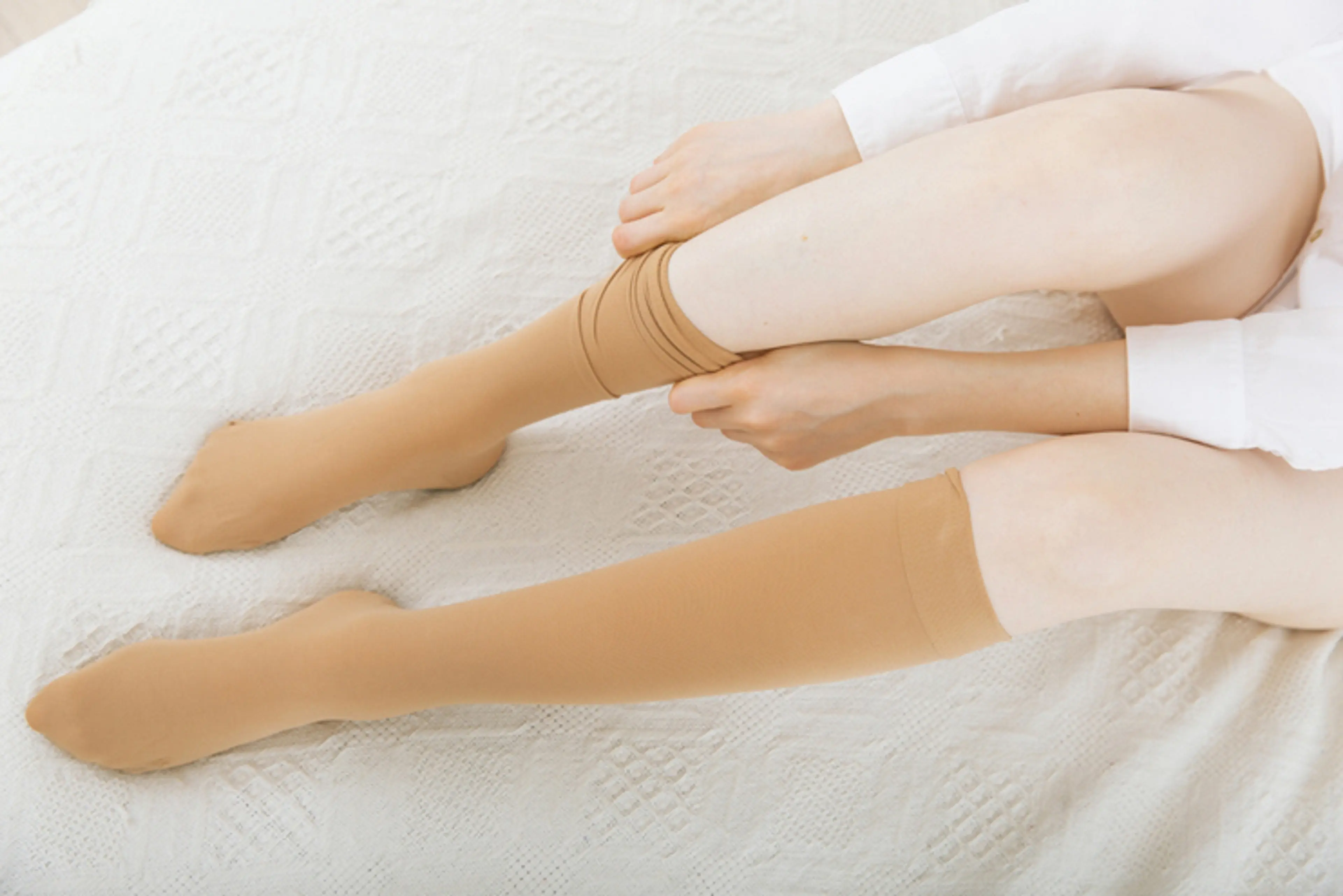
Compression socks apply graduated pressure — tightest at the ankle, gradually lighter toward the knee or thigh. This gentle squeeze helps push blood upward, preventing pooling and reducing swelling. For many people, this is the first line of defense against worsening symptoms.
Types of Compression Socks
types-of-compression-socksNot all compression socks are created equal. The best choice depends on your condition, lifestyle, and comfort level.
1. Medical-Grade Compression Socks (20–30 mmHg or higher)
1.-medical-grade-compression-socks-(20-30-mmhg-or-higher)Who they’re for: Patients with diagnosed varicose veins, chronic venous insufficiency, or post-treatment recovery.
Why they help: They provide enough pressure to significantly improve circulation and reduce pain.
What to know: These usually require a prescription in Korea. They must be properly fitted — too loose won’t help, too tight can cause discomfort.
2. Mild Compression Socks (15–20 mmHg)
2.-mild-compression-socks-(15-20-mmhg)Who they’re for: People with tired legs, mild swelling, or early-stage varicose veins.
Why they help: They’re more comfortable for daily wear and easier to find in pharmacies or online.
What to know: They don’t treat severe cases but can prevent mild symptoms from worsening.
3. Travel and Sports Compression Socks
3.-travel-and-sports-compression-socksWho they’re for: Frequent flyers, athletes, or people who stand for long hours.
Why they help: They reduce leg fatigue and prevent blood clots during long flights.
What to know: While marketed for performance, they can also ease early vein discomfort.
How to Choose the Right Compression Socks
how-to-choose-the-right-compression-socks
Choosing the best pair isn’t just about the label — it’s about fit, lifestyle, and consistency. Here’s what we emphasize to patients at our clinic:
Check the pressure level (mmHg): The number matters more than the brand. For medical treatment, 20–30 mmHg is often recommended.
Get fitted properly: If socks are too loose, they won’t work; too tight, and you’ll feel tingling or numbness. Professional fitting is especially important for medical-grade stockings.
Length matters: Knee-high socks are usually enough for varicose veins, but thigh-high or pantyhose styles may be necessary for more extensive vein disease.
Material & comfort: Breathable, moisture-wicking fabrics are best in Korea’s humid summers. Cotton blends or microfiber are more tolerable than thick nylon.
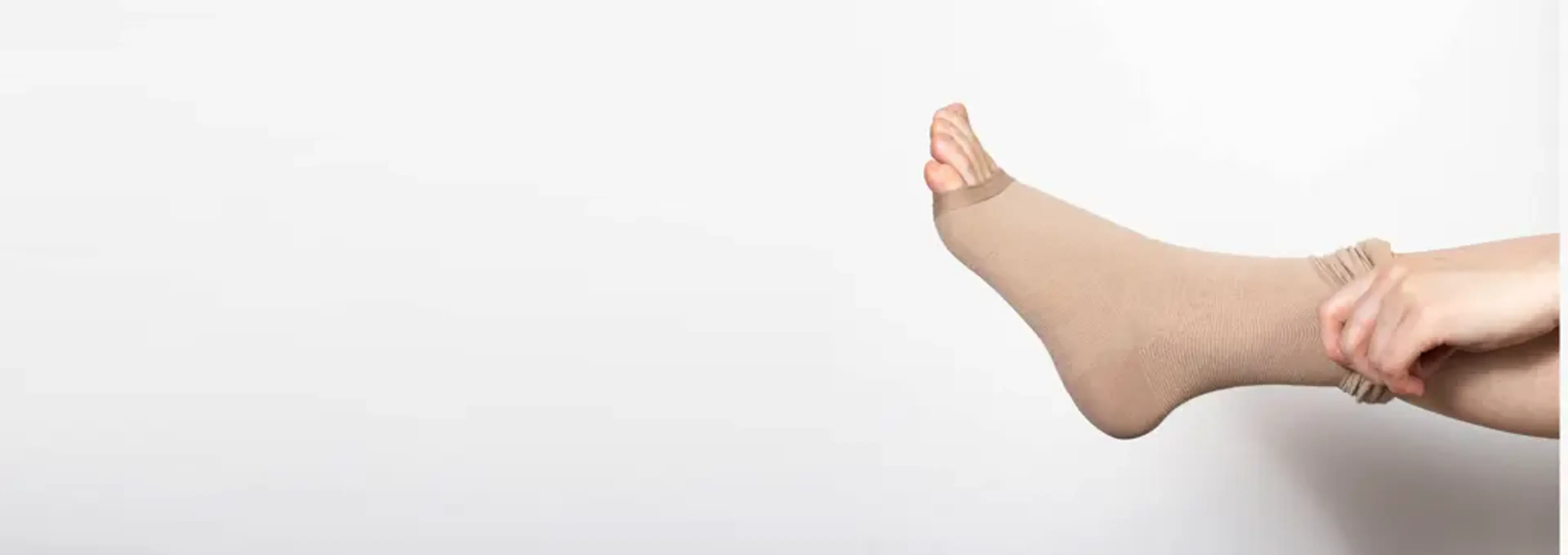
Ease of wear: Zippered or open-toe options make them easier to put on, especially for older patients.
What People Often Get Wrong About Compression Socks
what-people-often-get-wrong-about-compression-socksTo be honest, many patients initially resist wearing compression socks. They worry they’ll feel hot, unfashionable, or difficult to put on. What people overlook is this:
The benefit isn’t just symptom relief — compression socks can slow down the progression of varicose veins.
They’re not a cure, but they can buy time before a more permanent treatment (like EVLA, RFA, or VenaSeal™) becomes necessary.
Wearing them for just a few hours daily is better than not at all. It’s about consistency, not perfection.
Do Compression Socks Replace Medical Treatment?
do-compression-socks-replace-medical-treatmentThis is a question we hear often at Charm Vascular Clinic: “If I wear compression socks, do I still need treatment?”
The honest answer is: Compression socks help, but they do not reverse varicose veins. They manage symptoms, reduce swelling, and protect vein health — but once a vein is damaged, only medical procedures can truly correct it.
That’s why in many cases, compression socks are part of a broader plan. For example:
Before procedures: Socks control symptoms while patients decide on treatment.
After procedures: Socks improve recovery and reduce the chance of recurrence.
For those not ready for treatment: They provide daily relief and improve quality of life.
When to See a Doctor Instead of Just Wearing Socks
when-to-see-a-doctor-instead-of-just-wearing-socks
If you experience any of the following, it’s time to seek professional care rather than relying solely on stockings:
Severe swelling or sudden increase in leg pain
Skin changes (darkening, thickening, eczema, or ulcers)
Varicose veins that continue to worsen despite daily compression use
A history of blood clots
These are signs that your vein disease has progressed beyond what compression socks can manage.
Practical Tips for Wearing Compression Socks in Korea
practical-tips-for-wearing-compression-socks-in-koreaPut them on first thing in the morning, before swelling begins.
Wash them daily in cold water to maintain elasticity.
Replace them every 3–6 months — worn-out socks lose effectiveness.
In hot weather, consider open-toe styles for more comfort.
If you struggle to put them on, try using rubber gloves for better grip.
Final Thoughts — Choosing What’s Best for Your Legs
final-thoughts-choosing-what's-best-for-your-legsCompression socks are one of the simplest, safest, and most effective tools for managing varicose veins. But like all medical decisions, the “best” socks are the ones matched to your condition, lifestyle, and comfort.
At Charm Vascular Clinic in Seoul, we often guide patients through this process — not just prescribing a certain pressure, but helping them find something they can actually wear every day. Because at the end of the day, a sock only works if it’s on your leg, not sitting in a drawer.
If you’ve been struggling with varicose veins, consider visiting a specialized vascular center like Charm Vascular Clinic. Whether you need advice on compression therapy or minimally invasive treatments like EVLA, RFA, or VenaSeal™, we’ll help you find the solution that fits your life.