Home / Articles
What Are the Risks of Infections in Dialysis Access Sites?
Home / Articles
What Are the Risks of Infections in Dialysis Access Sites?
At Charm Vascular Clinic in Seoul, we see many patients who come in worried about redness, pain, or swelling around their dialysis access. Sometimes it’s nothing more than irritation. Other times, however, it’s the first sign of a deeper infection that can spread quickly. Understanding the risks helps patients stay safe, and in many cases, avoid hospitalization.
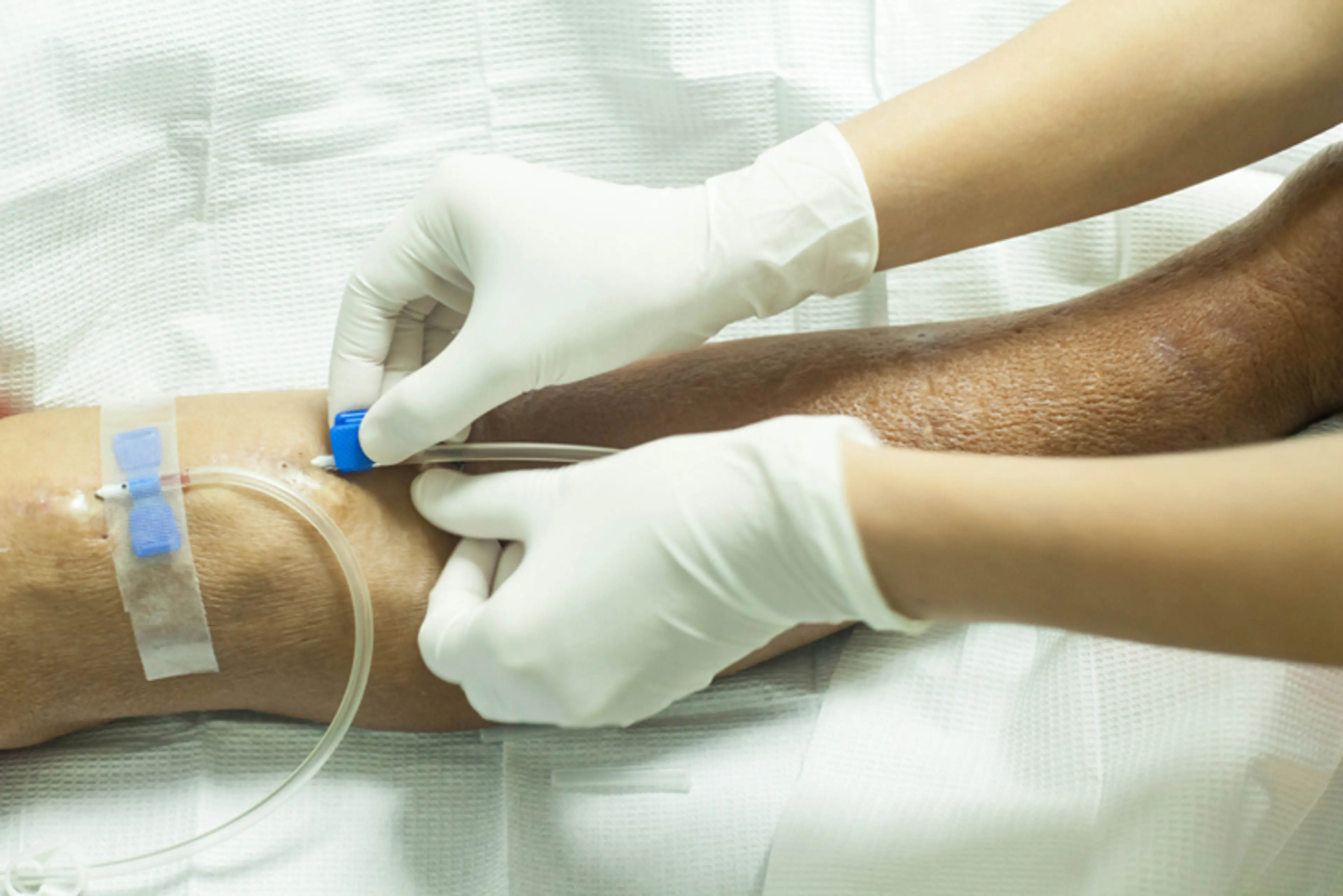
Dialysis is life-sustaining, but it depends on repeated access to your bloodstream. To make this possible, doctors create one of three main types of access:
Each of these sites bypasses the body’s natural barrier—your skin. The moment that barrier is crossed, bacteria have an entry point. That is why infections are more common in dialysis patients than in the general population.
Catheters are the highest-risk access type for infections, while fistulas are the safest. Still, no access site is completely immune.
To be honest, many patients think infection only happens if they neglect hygiene. While that’s certainly a factor, the reality is more complex.
Think of the access site like the main entrance to your house. If the door frame is weak or the lock is used too often, it becomes easier for intruders to get in.
The tricky part is that early infection doesn’t always look dramatic. Patients sometimes dismiss the first symptoms as minor irritation. What people often overlook is that even subtle changes can signal something serious.
Common warning signs include:
Redness or warmth at the access site
Swelling that feels firm or tender
Persistent pain or throbbing
Drainage of pus or foul-smelling fluid
Fever, chills, or general weakness
If you notice these, don’t wait until your next dialysis session. Contact your healthcare provider immediately. Infections can progress from local redness to bloodstream infection (sepsis) in a matter of days.
So, what exactly is at stake if a dialysis access site becomes infected?
Once bacteria spread into the bloodstream, they can travel anywhere in the body—lungs, heart valves, bones. Sepsis is life-threatening and requires urgent hospitalization.
In South Korea and worldwide, infection-related hospitalizations are a leading cause of death among dialysis patients. That’s why vascular specialists like Dr. Insoo Park emphasize prevention as much as treatment.
Not everyone has the same likelihood of developing infections. Patients with diabetes, poor circulation, or weakened immune systems face added risks. Lifestyle factors—like smoking, poor nutrition, or even living far from a dialysis center—can also increase vulnerability.
Interestingly, cultural patterns matter too. In Korea, patients tend to prioritize medical follow-ups diligently, but some still underestimate the importance of meticulous daily site care at home. That small gap can make a big difference.
Here’s the encouraging part: most dialysis access infections can be prevented with consistent care.
At Charm Vascular Clinic, we often remind patients: “Protecting your access is protecting your life.” That mindset alone changes how carefully people treat their sites.
Treatment depends on the severity:
One thing patients are often surprised to learn is that vascular surgeons and nephrologists work closely together in these situations. The goal is not only to clear the infection but also to preserve long-term dialysis access options.
Dialysis patients already face daily challenges—dietary restrictions, fatigue, time in the clinic. Adding infections on top of that is not only dangerous but also deeply discouraging. Yet, with vigilance and good care, many infections are preventable.
If you’ve been struggling with repeated infections or concerns about your dialysis access site, don’t ignore the warning signs. Specialized care from a vascular center can make all the difference.
Your life depends on dialysis. Your dialysis depends on your access. And your access depends on how carefully it’s protected.