Introduction
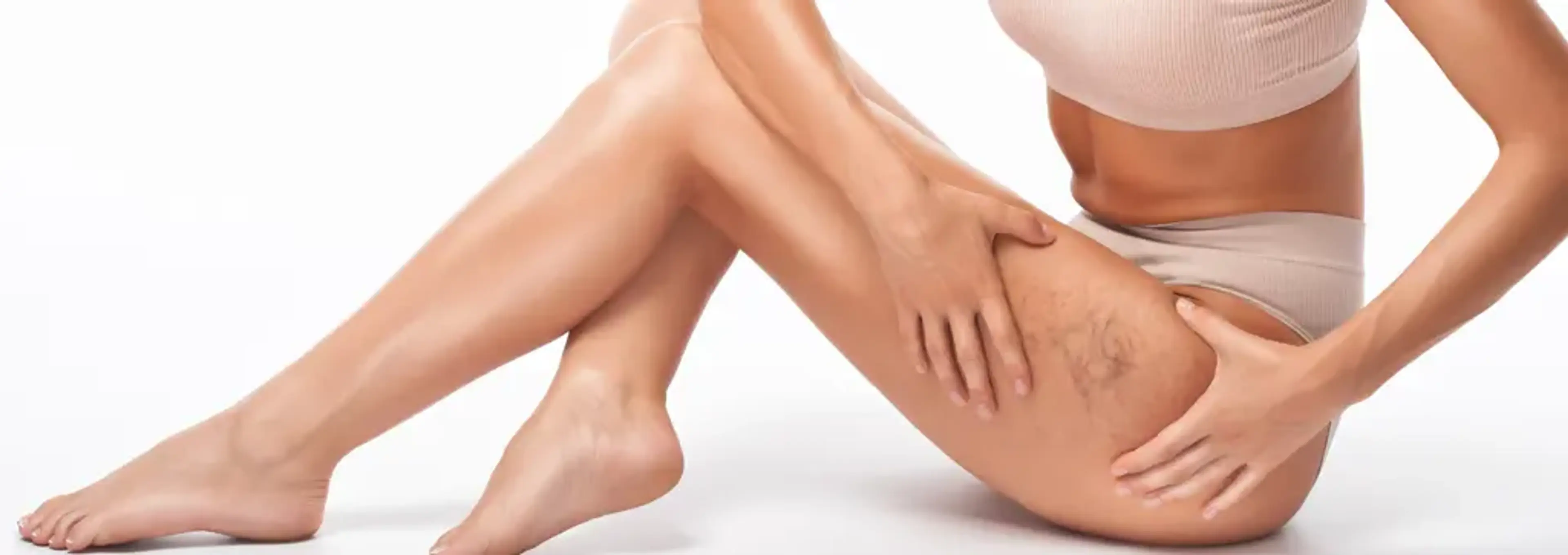
introductionVaricose veins are more than just a cosmetic concern — especially for women. These enlarged, twisted veins most commonly appear in the legs and feet and are caused by weakened or damaged valves that fail to keep blood flowing upward toward the heart. When left untreated, varicose veins can lead to a range of health complications that affect both physical well-being and quality of life.
Women are more prone to developing varicose veins due to hormonal influences, pregnancy, and genetic factors. Estrogen and progesterone can relax vein walls, making women particularly susceptible. While some may dismiss varicose veins as a natural part of aging or a minor inconvenience, ignoring them can result in serious medical consequences.
This article explores the various risks associated with untreated varicose veins in women — from physical discomfort and visible skin changes to life-threatening complications like blood clots. If you've ever wondered what happens if varicose veins go untreated in women, understanding the potential consequences may motivate you to seek medical evaluation and early treatment.
Fortunately, innovative, minimally invasive treatments are widely available. Clinics like Charm Vascular Clinic in Seoul offer state-of-the-art therapies that restore vascular health, comfort, and confidence to thousands of women each year.
The Science Behind Varicose Veins
the-science-behind-varicose-veinsTo understand the dangers of untreated
varicose veins, it's helpful to know how the venous system works. Veins are responsible for returning deoxygenated blood back to the heart. In the legs, this is an uphill task — assisted by one-way valves that prevent blood from flowing backward. When these valves become weak or damaged, blood begins to pool in the veins, causing them to stretch, bulge, and become varicose.
This condition is more than skin deep. Over time, venous reflux disease can develop, in which the veins consistently fail to circulate blood properly. This backward flow increases venous pressure and can lead to chronic venous insufficiency (CVI) — a progressive condition marked by leg swelling, skin changes, and ulcer formation.
Many women initially dismiss early symptoms like leg heaviness or visible spider veins, not realizing they are early signs of a larger vein disorder. Without timely intervention, the condition will worsen, leading to more noticeable discomfort and potentially dangerous complications.
Early detection and treatment can prevent this progression. Diagnostic tools like Doppler ultrasound are used to assess blood flow and valve function — tools that Charm Vascular Clinic routinely uses to create personalized treatment plans.
Physical Discomfort and Daily Impairment
physical-discomfort-and-daily-impairmentOne of the most immediate consequences of untreated varicose veins is persistent physical discomfort. Women may notice a dull aching sensation, throbbing pain, or a sense of heaviness in the legs, especially after prolonged standing or sitting. As the day progresses, symptoms tend to worsen, interfering with work, daily activities, and sleep.
Other common symptoms include leg swelling, burning sensations, muscle cramps (especially at night), and visible skin irritation. These may not initially seem severe but can gradually intensify, significantly impacting mobility and well-being. Over time, chronic pain from untreated varicose veins becomes a reality that many women silently endure.
Left unaddressed, these symptoms can interfere with professional life, parenting responsibilities, and social activities. Activities like exercise, walking, or even standing for short periods may become difficult, diminishing physical health and emotional wellness.
Charm Vascular Clinic recognizes these impacts and offers treatments that not only relieve symptoms but improve long-term vascular health in women, helping them return to a full and active life.
Skin Changes and Discoloration
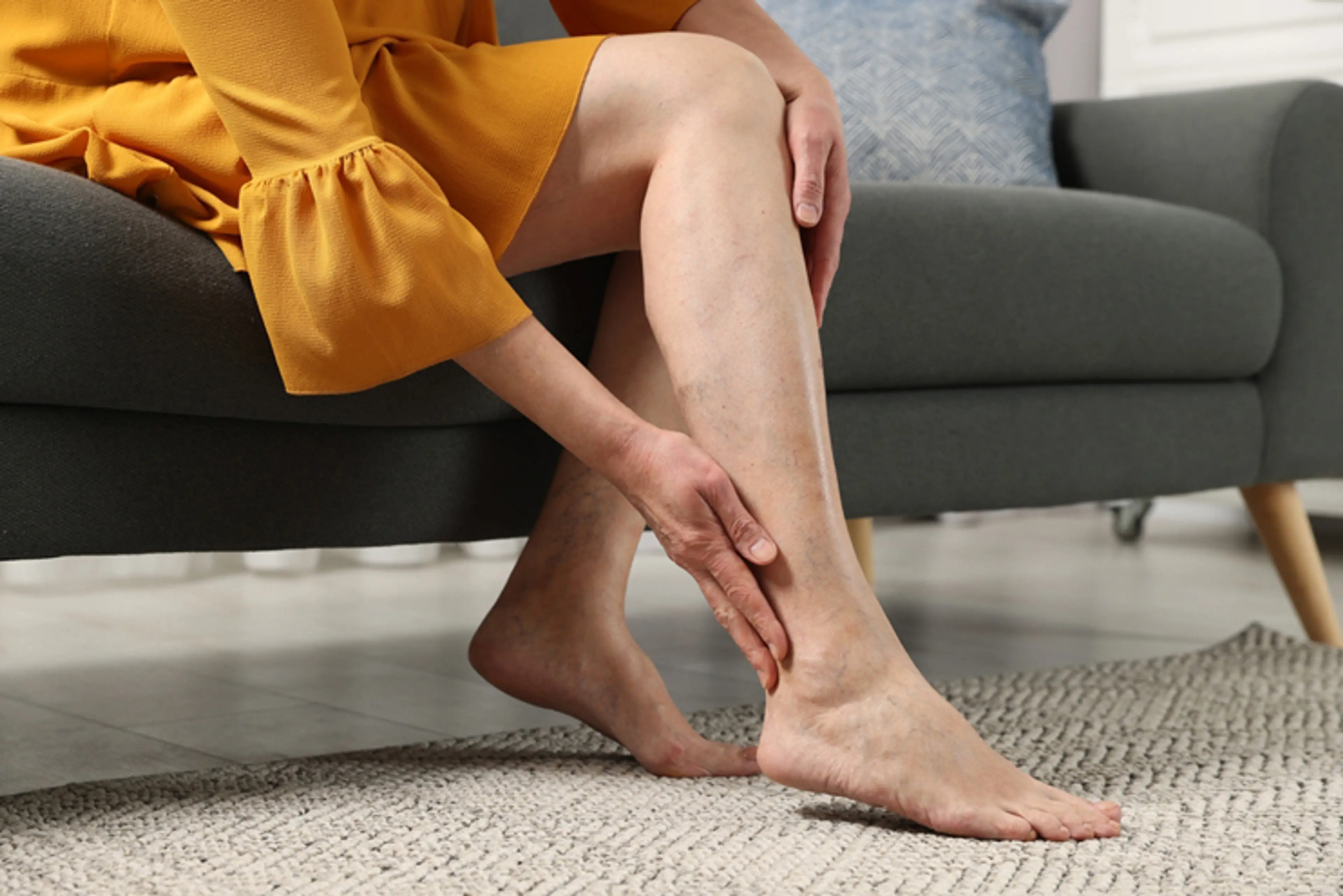
skin-changes-and-discolorationAs varicose veins progress, the skin surrounding affected veins often undergoes visible and uncomfortable changes. Women may notice discoloration of legs, especially around the ankles. This happens due to the breakdown of red blood cells and pooling of blood, which deposits iron into the surrounding tissues — resulting in brown or purple patches.
Other skin changes include dryness, itchiness, and a condition known as venous eczema or stasis dermatitis. If the inflammation continues unchecked, the skin may begin to harden (lipodermatosclerosis), causing tightness and a leathery texture. These changes not only cause discomfort but also signal worsening blood flow.
The most serious complication of skin involvement is the development of skin ulcers from varicose veins. These are open sores that typically appear around the ankles and are slow to heal due to poor circulation. They are prone to infection and often recur if the underlying vein disease isn’t addressed.
These visual and physical symptoms can significantly affect a woman’s confidence and quality of life. At Charm Vascular Clinic, early intervention helps women prevent these complications through advanced, targeted therapies tailored to each stage of vein disease.
Chronic Venous Ulcers
chronic-venous-ulcersOne of the most severe consequences of untreated varicose veins is the development of chronic venous ulcers. These are open wounds that usually form near the ankles, where blood pressure from venous pooling is highest. What starts as skin darkening or irritation can evolve into a painful, weeping sore that is slow to heal.
Women are particularly vulnerable to venous ulcers due to hormonal changes, longer life expectancy, and a higher likelihood of experiencing vein valve deterioration during pregnancy. Without proper medical intervention, ulcers can persist for months or years and frequently recur. These wounds are not only painful but can also become infected, leading to cellulitis and, in rare cases, sepsis.
Aside from the health risk, chronic ulcers drastically reduce a woman’s quality of life. They can restrict mobility, necessitate frequent dressing changes, and require long-term care. Emotional distress often follows, especially if the ulcer becomes a long-standing issue.
At Charm Vascular Clinic, venous ulcers are treated not just topically, but at their root cause. Treatments like radiofrequency ablation (RFA) and endovenous laser ablation (EVLA) target the faulty veins, restoring healthy circulation and allowing ulcers to heal effectively. Early intervention prevents these life-altering wounds from developing in the first place.
Increased Risk of Blood Clots
increased-risk-of-blood-clotsAnother dangerous outcome of untreated varicose veins is the formation of blood clots, a condition known medically as thrombophlebitis. When blood pools in the legs and circulation is impaired, it creates a perfect environment for clotting. These clots may be superficial, affecting surface veins, or deep — leading to deep vein thrombosis (DVT).
DVT is a medical emergency, especially if the clot dislodges and travels to the lungs, causing a pulmonary embolism. Warning signs include sudden leg swelling, heat, redness, and pain. Women taking birth control pills, hormone replacement therapy, or going through pregnancy have an elevated risk of clot formation due to hormonal influence on blood coagulation.
This is why clotting risks in women with untreated varicose veins should not be underestimated. It's not just about aesthetics — it's about potentially fatal complications.
At Charm Vascular Clinic, diagnostic imaging and patient history evaluations help identify clot risk early. When needed, patients are referred for anticoagulation therapy and minimally invasive procedures that restore proper blood flow, significantly reducing the risk of DVT and its dangerous consequences.
Varicose Vein Bleeding and Rupture
varicose-vein-bleeding-and-ruptureAnother overlooked complication is bleeding from varicose veins. As these veins enlarge and stretch the surrounding skin, the tissue becomes thin and fragile. Even a minor bump, scratch, or shaving accident can lead to significant bleeding. In rare cases, varicose veins may rupture spontaneously — particularly while sleeping or showering — leading to rapid blood loss.
Although this bleeding may seem manageable at first, it can become life-threatening if not controlled quickly, especially in elderly patients or those on blood-thinning medications. Chronic blood leakage can also result in anemia, which causes fatigue and dizziness, further compounding health problems.
This type of bleeding is often recurrent and may point to advanced vein disease risks. If left untreated, it can result in emergency hospital visits and potential vein infections. For women, who often delay treatment due to childcare or work responsibilities, the consequences can be unexpectedly severe.
Charm Vascular Clinic offers preventative solutions to reduce vein pressure and strengthen the vascular walls, including VenaSeal™, a cutting-edge adhesive closure system. Quick, non-surgical interventions like these can prevent life-disrupting and dangerous episodes of bleeding.
Emotional and Psychological Impact
emotional-and-psychological-impactWhile the physical symptoms of varicose veins are often emphasized, the emotional toll on women should not be underestimated. Many women feel embarrassed by the visible veins on their legs and avoid wearing skirts, shorts, or swimwear — even in hot weather. The constant concern over appearance can lead to social withdrawal, lower self-esteem, and even depression.
Beyond aesthetics, the unpredictability of symptoms like pain, swelling, or spontaneous bleeding can create anxiety and a loss of control over one’s body. The mental burden of untreated varicose veins is compounded when everyday activities like walking, working, or exercising become uncomfortable or impossible.
Many women suffer in silence, believing that varicose veins are a cosmetic nuisance rather than a medical issue. But when the condition progresses unchecked, it can affect mental health just as much as physical health.
Charm Vascular Clinic prioritizes both physical outcomes and emotional well-being. Patients are treated with compassion, and their concerns — aesthetic and medical — are addressed holistically. By restoring vascular function and confidence, the clinic helps women regain control over their health and lifestyle.
Special Considerations During Pregnancy
special-considerations-during-pregnancyPregnancy is one of the most significant risk factors for the development and worsening of varicose veins in women. As the uterus expands, it increases pressure on the veins in the pelvis and legs, which slows blood return and contributes to venous congestion. Hormonal shifts also relax blood vessels, further exacerbating valve dysfunction.
For many women, varicose veins first appear or worsen during pregnancy, particularly in the second and third trimesters. While some vein changes may resolve after childbirth, others can persist and progress to chronic venous insufficiency, especially with multiple pregnancies.
Pregnancy-related varicose veins are more than cosmetic. Women may experience painful leg swelling, itching, and an increased risk of venous thromboembolism, especially during the postpartum period. Complications of varicose veins during pregnancy can include phlebitis, superficial clots, and skin changes — all of which pose risks to maternal health.
At Charm Vascular Clinic, postnatal evaluations are highly recommended for women who develop varicose veins during pregnancy. Non-invasive options like compression therapy and later interventions such as sclerotherapy or endovenous treatments offer safe, effective solutions to restore vein health after delivery.
Long-Term Effects on Women’s Health
long-term-effects-on-women's-healthOver time, untreated varicose veins can compromise a woman’s overall vascular health, contributing to a cycle of chronic inflammation, impaired circulation, and reduced mobility. What begins as an inconvenience can turn into a long-term health burden, affecting not just the legs but other systems of the body.
Persistent blood pooling increases venous pressure, leading to tissue breakdown and chronic skin infections. Over years, some women may experience secondary lymphedema, where fluid accumulates in the limbs due to damaged lymphatic and venous return — further complicating treatment.
Inactivity due to pain or fatigue from leg heaviness also contributes to weight gain, metabolic slowdown, and cardiovascular strain. These long-term effects of varicose veins on women's health can increase risks for other chronic conditions such as diabetes and hypertension.
This is why early and appropriate intervention is crucial. At Charm Vascular Clinic, practitioners take a comprehensive approach — combining vascular imaging, individualized treatment, and lifestyle guidance — to prevent deterioration and promote full-body wellness.
Why Early Treatment Matters
why-early-treatment-mattersMany women delay seeking treatment because they believe varicose veins are just a cosmetic concern or feel uncertain about available options. But early treatment is not only safer — it’s also significantly more effective and less invasive. By addressing the issue before complications arise, patients avoid long-term discomfort and reduce the need for surgery.
In the early stages, varicose veins can be treated with minimally invasive procedures such as radiofrequency ablation, VenaSeal™, or Clarivein. These procedures are done under local anesthesia, typically take less than an hour, and allow for same-day discharge. Downtime is minimal, and results are often immediate in terms of pain relief and appearance.
Delaying care increases the risk of blood clots, ulcers, and irreversible skin damage. Early treatment helps preserve vein function, reduce symptoms, and improve confidence — all without hospitalization or extended recovery time.
Charm Vascular Clinic emphasizes preventative care and early intervention as a core part of its philosophy. Patients receive a personalized treatment plan based on their unique anatomy, symptoms, and risk factors — ensuring long-lasting results with minimal discomfort.
Available Minimally Invasive Treatments
available-minimally-invasive-treatmentsMedical advancements have revolutionized the way varicose veins are treated. Today’s minimally invasive treatments offer safe, highly effective options that are far superior to traditional vein stripping. These modern procedures are specifically designed to treat vein disease risks at their root cause, with minimal pain and downtime.
Endovenous Laser Ablation (EVLA): Uses laser energy to seal faulty veins. Performed under local anesthesia, it’s ideal for larger varicose veins.
Radiofrequency Ablation (RFA): Similar to EVLA but uses thermal energy. Patients typically resume normal activities within 24–48 hours.
VenaSeal™ Closure System: An FDA-approved medical adhesive used to close diseased veins without heat or tumescent anesthesia — ideal for patients with needle sensitivity or multiple risk factors.
Sclerotherapy: Involves injecting a solution into smaller veins to cause them to collapse and fade. Often used for spider veins or minor varicosities.
Clarivein/Phlebogrip: Catheter-based systems that use mechanical-chemical ablation to seal the vein with minimal trauma.
All of these treatments are available at Charm Vascular Clinic, where advanced technology and expert care converge to offer the best outcomes. Using ultrasound-guided techniques and evidence-based protocols, the clinic ensures every woman receives the treatment most appropriate for her condition.
Safety, Comfort, and Recovery at Charm Vascular Clinic
safety-comfort-and-recovery-at-charm-vascular-clinicPatient safety is a top priority at Charm Vascular Clinic. The clinic uses only FDA-approved materials and technologies, ensuring that each treatment aligns with the highest global safety standards. Whether it’s thermal ablation or adhesive closure systems, each procedure is backed by strong clinical evidence and rigorous training.
Comfort is also central to the clinic’s philosophy. Treatments are performed with minimal discomfort, often under local anesthesia, and patients typically walk out of the clinic the same day. Most are able to return to regular activities within 24–48 hours, with little or no downtime required.
Recovery doesn’t end at the procedure.
Charm Vascular Clinic emphasizes
ongoing post-treatment care, offering follow-up imaging and consultations to monitor healing and prevent recurrence. This structured approach significantly improves long-term outcomes.
Moreover, the clinic provides a welcoming and supportive atmosphere, especially important for women who may feel anxious about treatment. From personalized consultations to professional aftercare, the experience is designed to be both healing and empowering.
Conclusion
conclusionVaricose veins in women are far more than a cosmetic concern. When left untreated, they can lead to significant health risks, including skin ulcers, chronic pain, infections, and life-threatening blood clots. The psychological toll — from self-consciousness to anxiety — also adds to the burden women face.
The good news is that early intervention can prevent these complications. With modern, minimally invasive treatments now widely available, there's no need to live with discomfort or embarrassment. Clinics like Charm Vascular Clinic in Seoul offer expert-led care that is safe, effective, and tailored to each woman’s needs.
Whether you're dealing with early-stage symptoms or advanced chronic venous insufficiency, taking the first step toward treatment can significantly improve your quality of life. Regain your confidence, protect your health, and experience lasting relief — all under the care of trusted professionals.