Introduction
what-can-you-do-to-ensure-the-longevity-of-your-dialysis-accessYou’ve gone through surgery, started dialysis, and now your life is structured around a routine that helps you survive. But here’s something that often gets overlooked — your dialysis access isn’t just a medical tool; it’s your lifeline.
At Charm Vascular Clinic, we meet many patients who come in not because their access has failed, but because they didn’t know how to protect it. The good news? You have more control than you think.
Let’s walk through the real-world strategies to ensure your dialysis access lasts as long as possible — without complications, infections, or unnecessary replacements.
First, Understand the Type of Access You Have
first-understand-the-type-of-access-you-haveKnowing exactly what kind of vascular access you’re working with is step one.
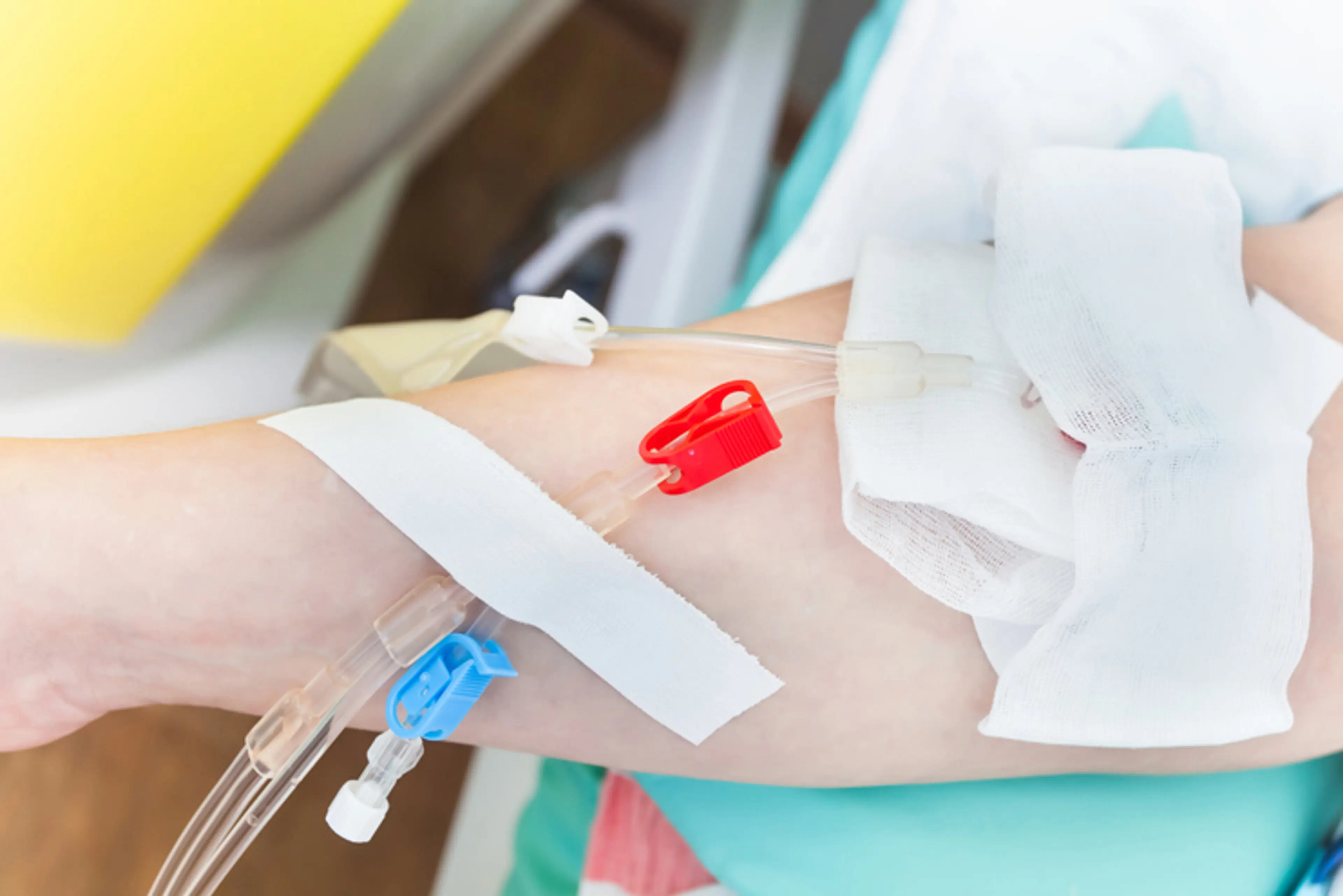
Arteriovenous (AV) Fistula: A connection made between an artery and a vein, usually in the arm. This is the gold standard — it’s durable and has the lowest complication rate.
AV Graft: A synthetic tube that connects an artery to a vein. Used when your veins aren’t strong enough for a fistula.
Central Venous Catheter: A temporary access placed in a large vein, usually in the neck or chest. Prone to infections and clots — not ideal for long-term use.
Why this matters: Each type of access has different vulnerabilities, so the way you care for it should be tailored. At Charm Vascular Clinic, we educate patients based on their specific access type, because one-size-fits-all advice simply doesn’t work here.
What You Can Do Daily to Protect Your Access
what-you-can-do-daily-to-protect-your-access1. Keep It Clean, But Don’t Overdo It
1.-keep-it-clean-but-don't-overdo-itYes, hygiene is critical. But scrubbing too hard or using harsh chemicals can irritate the skin and even introduce infection.
Do:
Don’t:
At our clinic, we often see patients who “over-sanitize” and end up with skin breakdown. In Korea’s humid summers, this is especially risky.
2. Protect It from Pressure and Injury
2.-protect-it-from-pressure-and-injuryThis might sound obvious, but many people unknowingly damage their access during everyday activities.
Avoid:
Wearing tight sleeves, watches, or bracelets over the access.
Sleeping on the arm with the fistula or graft.
Having blood pressure measurements, IV lines, or blood draws on that arm.
Your access needs good blood flow — and even mild pressure can compromise it. Think of it like a busy highway: a small traffic jam upstream can cause serious delays downstream.
3. Monitor for Warning Signs
3.-monitor-for-warning-signsYou don’t need to be a vascular surgeon to know when something’s wrong — but you do need to pay attention.
Check daily for:
Swelling, redness, or warmth
Unusual pain or tenderness
Bleeding that’s hard to stop
A missing “thrill” — that buzzing vibration you should feel
At Charm Vascular Clinic, we teach patients how to feel for the thrill every morning. If it’s gone, it could mean a clot has formed — and this is an emergency. The earlier you act, the higher the chance of saving the access.
4. Stick to Your Dialysis Schedule (Even If You Feel Fine)
4.-stick-to-your-dialysis-schedule-(even-if-you-feel-fine)Skipping or delaying sessions can lead to increased fluid and pressure in your veins, which stresses your access and raises the risk of clotting.
We know life gets busy — especially in a fast-paced city like Seoul — but think of dialysis as your reset button. The cleaner your blood, the healthier your access site stays.
5. Eat for Vascular Health
5.-eat-for-vascular-health
Here’s something we talk about often but isn’t emphasized enough in other clinics: vascular access is only as strong as the blood vessels supporting it.
If your arteries and veins are stiff, inflamed, or narrowed due to poor diet, your access will suffer.
Focus on:
Low-sodium meals (to prevent fluid overload)
Omega-3 rich foods like mackerel or walnuts (for anti-inflammatory effects)
Controlled blood sugar if you have diabetes (a leading cause of vessel damage)
What people often overlook is how much Korean diets — rich in salty soups, kimchi, and pickled side dishes — can silently harm their veins over time. We help patients find realistic swaps that preserve both health and flavor.
6. Get Regular Surveillance by a Vascular Specialist
6.-get-regular-surveillance-by-a-vascular-specialistYour dialysis center monitors your access, but they’re not vascular surgeons. If something feels off — or even if it doesn’t — get a second set of expert eyes.
At Charm Vascular Clinic, we offer access checkups to catch narrowing (stenosis) before it causes full blockage. With ultrasound and imaging, we can detect subtle changes and intervene early — often with a quick angioplasty rather than major surgery.
To be honest, this is one of the most underrated forms of preventative care.
What to Avoid If You Want Your Access to Last
what-to-avoid-if-you-want-your-access-to-last
Let’s be blunt. Some habits shorten access life dramatically:
Smoking (it damages vessels and slows healing)
Ignoring signs of infection
Allowing inexperienced staff to insert needles
Letting fear delay needed procedures
Your access is a partnership between your body and your medical team. If one side slacks off, the whole system breaks down.
Real Talk: Why Early Intervention Saves Your Access (and Your Life)
real-talk:-why-early-intervention-saves-your-access-(and-your-life)Here’s something we wish more patients understood:
A failing access rarely announces itself loudly. The signs are subtle — a softer thrill, longer bleeding after dialysis, slightly increased pressure readings.
By the time there’s a full blockage, saving the access becomes a race against time.
That’s why we encourage patients to build a long-term relationship with a vascular clinic — not just rely on hospital ERs when problems arise. Our minimally invasive tools, from balloon angioplasty to catheter-directed thrombolysis, can restore function quickly and safely.
Final Thoughts: You’re Not Just Protecting a Medical Device — You’re Protecting Your Freedom
final-thoughts:-you're-not-just-protecting-a-medical-device-you're-protecting-your-freedomAt Charm Vascular Clinic, we see every dialysis access as more than a piece of tubing or a surgical scar. It’s your ticket to life. To time with family. To comfort. To possibility.
So the next time you wash your arm or feel that vibration, remember — you’re holding onto something precious.
If you’re living with dialysis, or if your access is giving you trouble, consider a visit to Charm Vascular Clinic. We specialize in minimally invasive care that keeps your access — and your life — flowing smoothly.