Home / Articles
What Happens During a Duplex Ultrasound Scan
Home / Articles
What Happens During a Duplex Ultrasound Scan
If you’ve been experiencing symptoms like leg heaviness, visible varicose veins, swelling, or even nighttime cramps, a duplex ultrasound is likely your next best step. It’s a simple yet powerful diagnostic tool — one that helps us see what’s happening beneath the surface of your skin without a single incision.
Let’s walk through what this scan involves, what to expect, and why it matters more than most people realize.
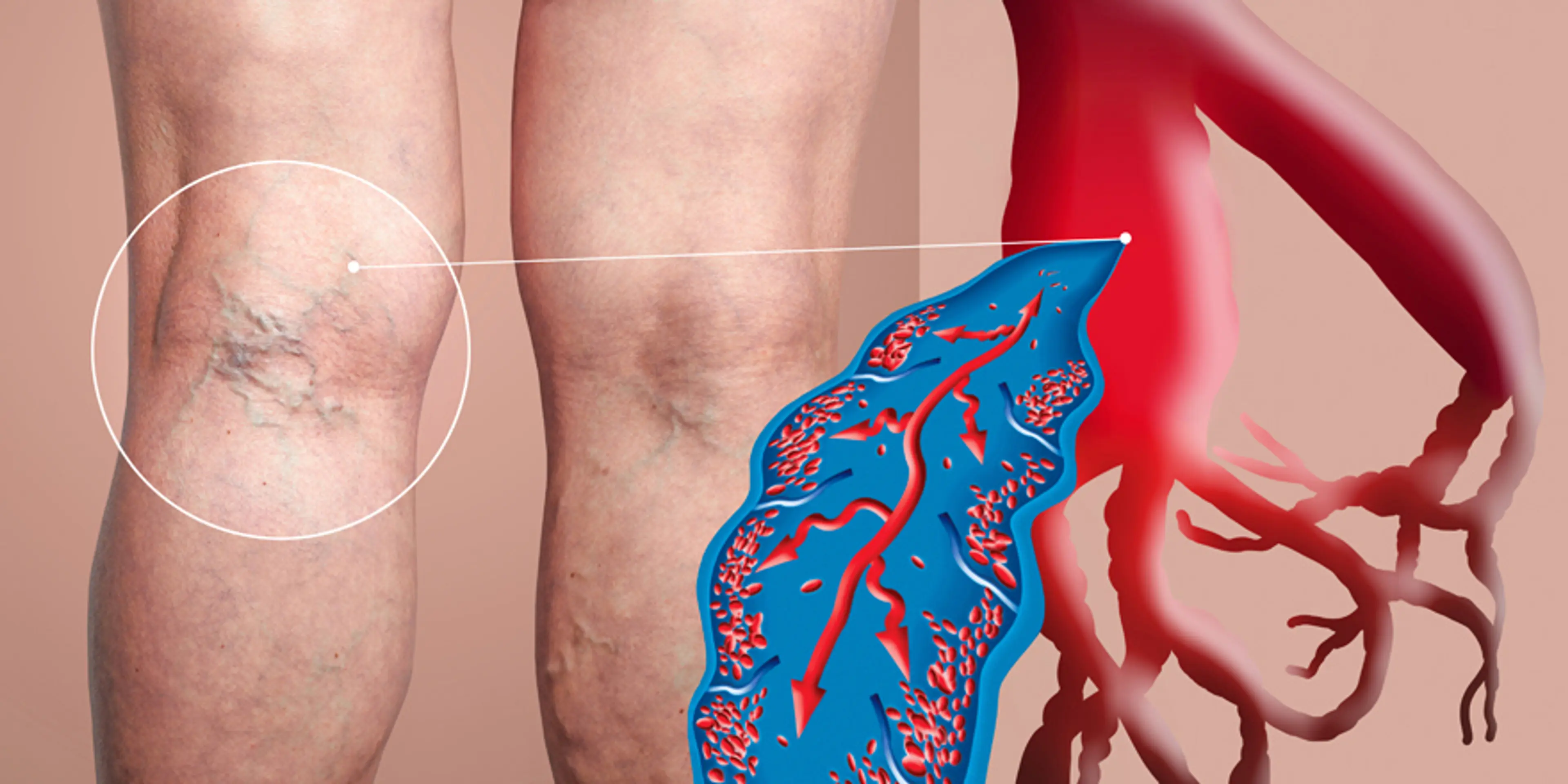
Your veins are like highways — quietly carrying blood back to your heart. But when valves inside those veins weaken or fail (a common issue in conditions like varicose veins or chronic venous insufficiency), blood begins to pool. The result? Pain, swelling, discoloration, and in some cases, skin ulcers.
To be honest, most patients are surprised by how easy and comfortable the process is.
There’s usually no need to fast or take any special medication. You’ll be asked to wear loose-fitting clothes or change into a medical gown, depending on the area being scanned (usually your legs).
At Charm Vascular Clinic, our team ensures your privacy and comfort throughout — the atmosphere is calm, and you’re guided through every step.
You’ll lie on an exam table — sometimes flat, sometimes with the leg slightly elevated or tilted depending on what veins we’re looking at. A clear, water-based gel is applied to your skin. It’s a bit cold, but painless. The gel helps the ultrasound probe make secure contact with your skin to get clear images.
The vascular technologist or doctor moves a handheld probe (called a transducer) gently across the surface of your skin. You might feel mild pressure — especially if we’re checking deeper veins or areas of tenderness.
As the scan begins, you’ll hear soft whooshing sounds — that’s your blood flow being picked up by the Doppler. We may ask you to:
Stand up briefly (to see vein behavior under gravity)
Breathe in or hold your breath
Squeeze your calf muscle (to push blood through)
All of this helps us assess how well your valves are functioning and whether any abnormal flow (reflux) is present.
But from our experience — and patients often echo this — time goes quickly when you're comfortable and being cared for by a skilled team.
Some of the key insights we gain:
At Charm Vascular Clinic, we often describe it like blueprinting your veins — a detailed roadmap before we recommend any treatment.
Not at all. There are no needles, no injections, and no radiation. The most discomfort you may feel is from the pressure of the probe or standing briefly during scanning.
For patients worried about exposure or safety — rest assured, ultrasound is one of the safest imaging methods in medicine.
Once the scan is complete, results are typically reviewed right away — especially if you’re at a specialized clinic like ours. Dr. Insoo Park or one of our vascular team members will explain the findings in clear, understandable terms.
We’ll answer questions like:
Is treatment necessary?
Can this be managed conservatively?
Which veins are involved, and what’s the best method to address them?
At Charm Vascular Clinic, we’ve seen patients delay evaluation for years, only to later discover advanced reflux or vein damage that could have been treated much earlier.
Getting a duplex ultrasound isn’t just about confirming a diagnosis — it’s about protecting your future health.
If you're feeling unsure about your legs, or you’ve been living with discomfort for too long, a duplex ultrasound is one of the most helpful — and stress-free — ways to get clarity.