Introduction
what-happens-if-varicose-veins-return-after-treatmentIt’s a question we hear more often than you’d expect — and honestly, it’s a fair one. If you’ve already gone through the process of treating varicose veins, noticing them come back can feel like a step backward. But here’s the truth: recurrence doesn’t mean failure. At Charm Vascular Clinic, we see it as part of the natural progression of a chronic condition — one that needs monitoring, not panic.
Understanding why varicose veins return and how to respond can turn frustration into confidence. Let’s break it down from the perspective of real-world vascular care in South Korea.
Why Do Varicose Veins Sometimes Come Back?
why-do-varicose-veins-sometimes-come-backPicture your veins like an underground train network. When one faulty track is shut down (a diseased vein treated by EVLA or VenaSeal™, for instance), the rest of the system adjusts. But if other parts of the track begin to show strain — due to aging, pressure, or genetic predisposition — new problems may emerge elsewhere.
Several factors explain why varicose veins recur after treatment:
1. Underlying Venous Insufficiency Wasn’t Fully Addressed
1.-underlying-venous-insufficiency-wasn't-fully-addressedMost people associate varicose veins with the visible, bulging vessels just under the skin. But the root of the issue often lies deeper — in large superficial veins like the great or small saphenous veins. If only the visible branches are treated (often the case with cosmetic clinics or rushed evaluations), the source of reflux may remain active. Over time, this leads to new visible veins.
At Charm Vascular Clinic, we always begin with a comprehensive duplex ultrasound to map the entire venous system, including the deep veins and perforators. Without this step, treatment may only offer temporary relief.
2. Natural Progression of Chronic Venous Disease (CVD)
2.-natural-progression-of-chronic-venous-disease-(cvd)CVD is a chronic and progressive condition. That means even after successful treatment, the disease process can continue. This is particularly true in patients with strong family history, occupations that involve prolonged standing (like teachers, nurses, or chefs), or those who’ve had multiple pregnancies.
Think of it like maintaining your car. Fixing one issue doesn’t prevent wear and tear in other parts of the engine — especially if you're still driving it the same way every day.
3. Neovascularization (Formation of New Veins)
3.-neovascularization-(formation-of-new-veins)This is a term few patients are familiar with, but it matters. After some types of treatment — especially surgical vein stripping, which is now rarely performed in Korea — the body may generate new, abnormal vein channels near the treated site. These new vessels often lack proper valves and become varicose over time.
The good news? With modern treatments like Endovenous Laser Ablation (EVLA), Radiofrequency Ablation (RFA), and VenaSeal™, the risk of neovascularization is significantly lower than with traditional surgery.
4. Missed Tributary or Perforator Veins
4.-missed-tributary-or-perforator-veinsSometimes, smaller veins that didn’t show signs of reflux during the initial scan may worsen later. These include perforator veins — small channels connecting superficial and deep systems. If left untreated, they can later become sources of visible varicosities and symptoms like leg swelling, heaviness, or even skin changes.
At Charm Vascular Clinic, we use high-resolution ultrasound and detailed mapping techniques to reduce the chance of missing these contributors. But even with advanced diagnostics, new reflux points can appear over time.
What Does Recurrence Feel Like?
what-does-recurrence-feel-likeThis part is often more emotional than clinical.
Patients usually say something like:
“I was doing so well — no pain, no bulging. Then slowly, I felt that old heaviness creeping back.”
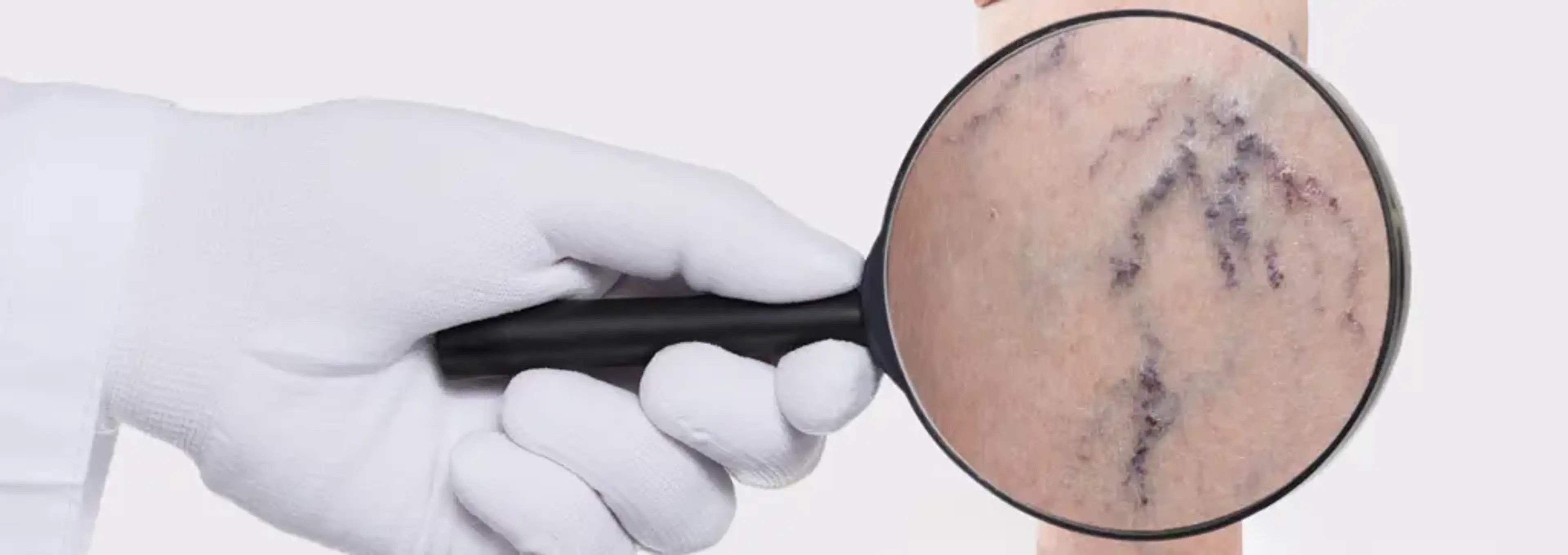
Sometimes, the signs are purely visual — a few new veins around the ankle or calf. Other times, the symptoms come first: fatigue, swelling, or restless legs, especially at the end of the day.
In some cases, patients report itching, skin discoloration, or even eczema-like rashes near the affected area — early signs of chronic venous inflammation. These are important red flags. If left untreated, they may progress to lipodermatosclerosis or venous ulcers.
If you’re noticing any of these symptoms again — even mildly — it’s worth getting checked. Early intervention is always easier and more effective.
How We Handle Recurrence at Charm Vascular Clinic
how-we-handle-recurrence-at-charm-vascular-clinicHere’s the honest truth: recurrence is not uncommon, especially when years have passed since initial treatment. But with the right approach, it’s completely manageable — often without major procedures.
1. Repeat Duplex Ultrasound Evaluation
1.-repeat-duplex-ultrasound-evaluation
This is always our first step. Using advanced duplex ultrasound, we assess whether the original treatment site remains closed and whether new areas of reflux have developed. This non-invasive scan gives us a real-time map of your venous system.
We also look closely at perforator veins, which are often overlooked but can be the source of recurrent symptoms.
2. Tailored Minimally Invasive Retreatments
2.-tailored-minimally-invasive-retreatmentsDepending on the findings, we may recommend a secondary procedure. These are usually more targeted and less extensive than the original treatment.
Common options include:
Ultrasound-Guided Foam Sclerotherapy (UGFS): Ideal for small recurrences and spider veins.
Microphlebectomy: A minimally invasive removal of varicose veins through tiny incisions.
Repeat EVLA or VenaSeal™: Only if the primary vein has reopened, which is rare but possible.
Our goal is to treat the new problem, not repeat old solutions.
3. Lifestyle Optimization and Compression Therapy
3.-lifestyle-optimization-and-compression-therapy
Recurrence isn’t just about veins — it’s also about pressure. We coach patients on:
Compression stockings for long flights or workdays.
Elevating legs at home (even 15 minutes a day helps).
Daily walking or calf exercises to keep venous return strong.
We also discuss hormonal influences (like oral contraceptives or HRT) and offer guidance for patients planning future pregnancies, since pregnancy can significantly accelerate venous changes.
4. Long-Term Follow-Up and Prevention Strategy
4.-long-term-follow-up-and-prevention-strategyThis is where Korean healthcare culture shines — preventative care is highly valued. At Charm Vascular Clinic, we schedule regular follow-ups (annually or biannually) for high-risk patients. This allows us to catch small problems before they become big ones.
These checkups are quick, affordable, and can spare you from undergoing repeat treatment later.
What Patients Often Overlook: Emotional Fatigue
what-patients-often-overlook:-emotional-fatigueOne thing that rarely gets mentioned — but matters deeply — is the emotional weight of recurrence.
We’ve had patients say,
“I already went through this once. I just can’t deal with it again.”
That reaction is totally human. Medical fatigue is real. But we always remind our patients: recurrence isn’t failure — it’s a sign that your body needs ongoing care. Like dental checkups or managing high blood pressure, vein health is a process.
Many of our returning patients tell us their second or third treatment experience is much smoother — shorter recovery, less fear, and more confidence in what to expect.
When to Worry — And When Not To
when-to-worry-and-when-not-toNot every visible vein needs urgent intervention. But knowing what to look for is crucial.
Here’s a practical rule we share with our patients:
No symptoms, just a few visible veins? Monitor and wear compression if needed.
New fatigue, swelling, or discomfort? Book an ultrasound.
Skin changes like darkening, thickening, or open sores? Seek care urgently — this is a sign of advanced venous disease.
The mistake many patients make — especially in busy urban environments like Seoul — is waiting too long. We often hear,
“It wasn’t bothering me until recently,”
only to find more extensive damage during the scan. Early action is always better.
Final Thoughts: A Lifelong Partnership, Not a One-Time Fix
final-thoughts:-a-lifelong-partnership-not-a-one-time-fixVaricose veins are stubborn. But so are we — and so are our patients. The truth is, managing vein health is a journey. And with the right clinic, it can be a low-maintenance, minimally invasive, and even empowering process.
At Charm Vascular Clinic, we believe in building lifelong partnerships with our patients. We track your progress, adapt to your changing needs, and use the best tools available to keep your veins — and your life — moving smoothly.
If you’re noticing new or returning symptoms, don’t wait. A quick evaluation at a specialized vascular center like Charm Vascular Clinic can clarify what’s going on and offer targeted, effective treatment options tailored to your needs.
Your veins deserve long-term care — and so do you.