Home / Articles
What Is the Best Aftercare for Arteriovenous Fistula Surgery?
Home / Articles
What Is the Best Aftercare for Arteriovenous Fistula Surgery?
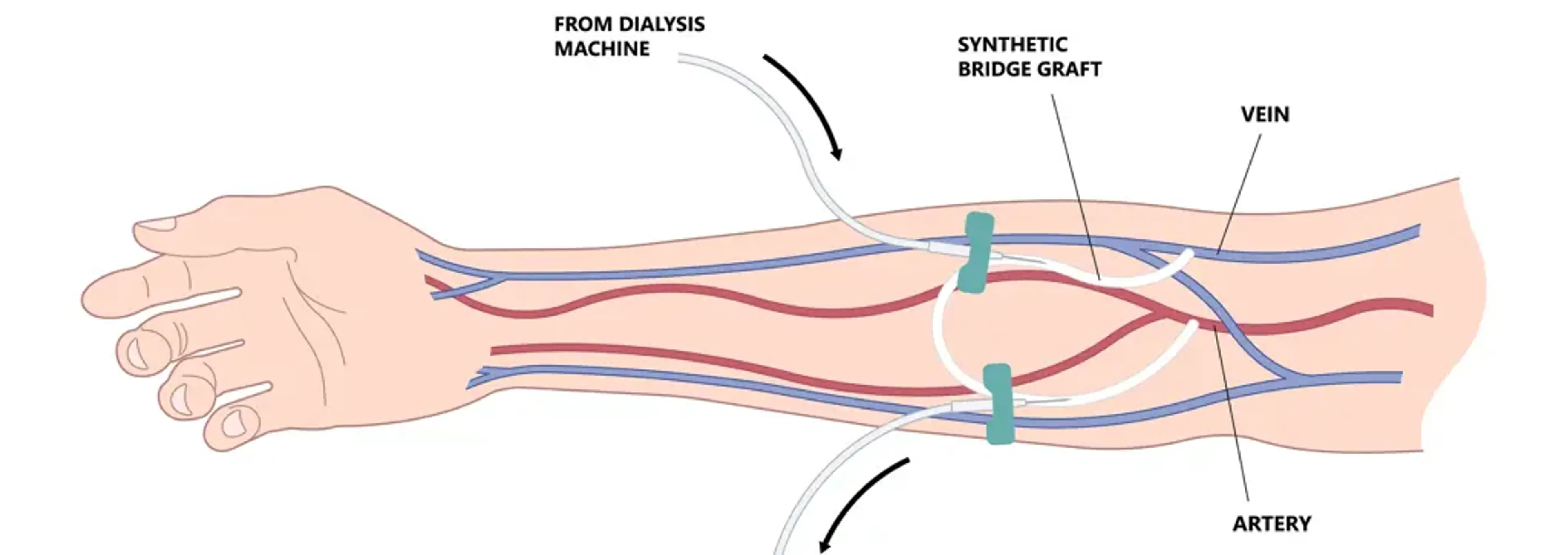
An arteriovenous fistula (AV fistula) is a surgically created connection between an artery and a vein, usually formed in the arm. This connection is essential for patients who require hemodialysis due to kidney failure. The AV fistula provides a durable, efficient, and reliable vascular access point that allows high volumes of blood to be removed, filtered, and returned during dialysis treatments.
The importance of an AV fistula cannot be overstated—it is widely considered the gold standard for vascular access in dialysis because of its lower complication rates compared to alternatives like central venous catheters or synthetic grafts. However, while the surgery itself is critical, the long-term success and usability of the fistula depend heavily on appropriate aftercare following the procedure.
Proper post-surgical care ensures that the fistula heals correctly and matures, meaning the vein grows larger and stronger enough to handle the repeated needle punctures needed during dialysis. Inadequate care can lead to complications such as infections, thrombosis (clotting), or failure of the fistula to mature, which can delay or disrupt dialysis treatments and negatively impact patient outcomes.
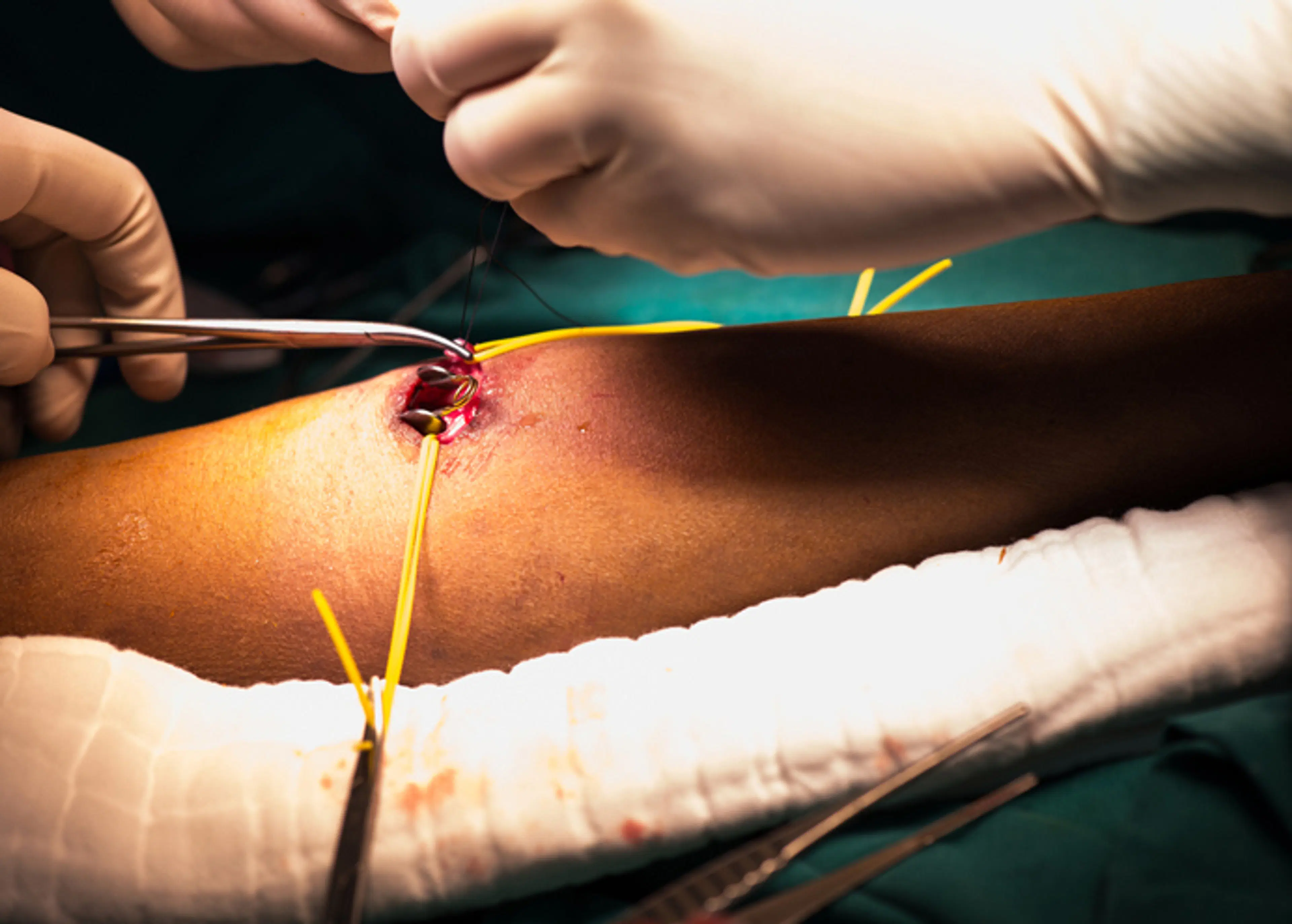
AV fistula creation is generally performed as a minimally invasive surgery under local anesthesia, often on an outpatient basis. The procedure involves connecting a high-pressure artery directly to a nearby low-pressure vein, usually in the forearm or upper arm. This connection causes blood flow from the artery to enter the vein, increasing the vein’s size and blood volume.
The increased blood flow helps the vein to “mature,” a process in which the vein walls thicken and the diameter expands to accommodate the high volume and pressure. This maturation phase typically takes several weeks but is critical for ensuring the fistula can withstand regular needle punctures during dialysis without collapsing or clotting.
Immediately following surgery, patients may experience mild to moderate pain, swelling, or bruising near the surgical site. These symptoms are normal and usually subside within days to weeks. Patients are advised to avoid heavy lifting or strenuous arm activity to minimize stress on the newly created fistula.
Protecting the surgical area during the initial healing period is vital to prevent complications such as infection or damage. The healthcare team will closely monitor the fistula’s development through physical exams and imaging studies, ensuring it is maturing properly and functioning as intended before dialysis use begins.
Patients should monitor their fistula site daily for signs of bleeding, excessive swelling, increasing redness, or unusual pain. While some discomfort and swelling are normal, worsening symptoms or signs of infection require immediate medical attention.
Pain management is an important part of early recovery. Healthcare providers often recommend prescribed pain medications or safe over-the-counter options. Patients should avoid non-prescribed medications that might increase bleeding risk, such as certain blood thinners or anti-inflammatory drugs, unless advised by their doctor.
Elevating the arm above heart level can reduce swelling and improve comfort. Gentle movement of fingers and wrist is encouraged to promote circulation, but strenuous activities and heavy lifting should be avoided until the fistula has matured.
Wound care forms the foundation of successful AV fistula aftercare. Patients should gently cleanse the area surrounding the incision with mild soap and lukewarm water, avoiding vigorous scrubbing or harsh chemicals that could irritate the skin. It’s important to follow the schedule for dressing changes provided by the healthcare team, ensuring dressings remain clean and dry.
Until the wound is fully healed, patients must avoid immersing the fistula site in water, meaning no baths, swimming, or soaking. Showering is typically allowed with precautions to keep the area dry and protected.
Vigilance for infection is critical. Patients should watch for symptoms such as increased redness, warmth, swelling, discharge, foul odor, or fever. Any of these signs warrant immediate evaluation to prevent serious complications.
To protect the healing fistula, wearing loose-fitting clothing that does not compress or rub against the site is recommended. Patients should avoid any trauma or pressure on the fistula arm, including carrying heavy bags or sleeping on the arm.
Even with the best care, some patients may face complications after AV fistula surgery. The most common issues include thrombosis (blood clot formation), infection, aneurysm development, or poor fistula maturation. Early detection and management of these problems are essential to preserve fistula function.
Patients should regularly check for signs such as sudden loss of the “thrill” (the buzzing sensation felt over the fistula), increased pain, swelling, redness, or drainage from the surgical site. Any unusual changes must be reported immediately to a healthcare provider.
Swelling and mild pain are typical after AV fistula creation, often due to inflammation and increased blood flow in the area. Managing these symptoms effectively can significantly enhance patient comfort and speed recovery.
To reduce swelling, patients are advised to keep the arm elevated, especially during the first few days post-surgery. Gentle exercises, such as finger and wrist movements, help improve circulation without putting undue strain on the fistula.
Pain relief should be guided by a healthcare professional. Over-the-counter pain relievers like acetaminophen are commonly recommended, but medications that can increase bleeding risk, such as nonsteroidal anti-inflammatory drugs (NSAIDs), should be used cautiously.
Maintaining good hygiene is a cornerstone of AV fistula aftercare. Patients should wash their hands thoroughly before touching the fistula area to minimize infection risks. The fistula arm should be kept clean and dry, with care taken to avoid harsh soaps or chemicals.
Lifestyle modifications may be necessary to protect the fistula during recovery. Patients are advised against carrying heavy bags, sleeping on the fistula arm, or engaging in activities that could cause trauma to the site. Wearing loose-fitting clothing reduces irritation and pressure.
Avoiding smoking and managing chronic conditions like diabetes and hypertension also support vascular health and promote better healing outcomes. Staying hydrated and maintaining a healthy diet further contribute to fistula longevity.
Exercise plays a crucial role in helping the fistula mature by increasing blood flow through the vein. Patients are encouraged to start gentle, low-impact exercises soon after surgery, such as hand squeezes using a soft ball or light wrist movements.
These exercises help strengthen the vein walls and promote healthy vascular remodeling. However, patients should avoid heavy lifting, strenuous activities, or repetitive arm motions that may strain the fistula.
Proper nutrition plays a vital role in the healing and maturation of an arteriovenous fistula. A balanced diet rich in vitamins, minerals, and protein supports tissue repair and vascular health. Foods high in vitamin C, such as citrus fruits and leafy greens, promote collagen formation, which is essential for wound healing.
Patients recovering from AV fistula surgery should also focus on adequate hydration to maintain good blood flow and prevent clot formation. However, fluid intake should be carefully managed in dialysis patients according to their medical team’s advice.
Limiting salt intake helps reduce swelling and blood pressure, both of which can impact the fistula’s health. Additionally, avoiding excessive consumption of processed foods, saturated fats, and sugars supports overall cardiovascular well-being, aiding in the long-term success of the fistula.
The recovery and maturation timeline for an AV fistula can vary depending on individual health factors, surgical technique, and aftercare quality. Typically, it takes about 6 to 12 weeks for the fistula to mature sufficiently for use in dialysis.
During this period, patients will attend regular follow-up appointments for physical assessments and imaging tests to monitor blood flow and vein size. Patience and adherence to aftercare guidelines are critical, as premature use of the fistula can cause damage or failure.
Factors such as diabetes, smoking, and peripheral vascular disease may slow recovery. Patients are encouraged to communicate openly with their care team about any concerns during the healing process to optimize outcomes.
Once the AV fistula has matured and is in regular use for dialysis, ongoing care remains crucial to ensure its longevity. Patients should continue to perform daily self-checks to monitor the fistula’s condition by feeling for the thrill and looking for any changes such as swelling or redness.
Avoiding trauma to the fistula arm remains important, as repeated injury can lead to scarring or clotting. Maintaining good hygiene and protecting the fistula from infections should continue even after recovery.
Prompt medical attention is essential if patients notice symptoms indicating possible complications. These include sudden loss of the thrill, increasing pain or swelling, redness or warmth around the fistula, bleeding, discharge, or fever.
Timely intervention can prevent serious complications, ensuring the AV fistula remains a reliable and effective access point for dialysis.
Real-life patient experiences provide valuable insight into the importance of diligent aftercare following AV fistula surgery. Many patients share stories of how following proper wound care, lifestyle adjustments, and regular monitoring helped them avoid complications and maintain a healthy fistula for years.
Case studies from the clinic’s extensive patient base also highlight the significance of early intervention in managing complications. One patient experienced swelling and mild infection signs two weeks post-surgery. Immediate treatment and adjustments to aftercare protocols ensured complete healing without the need for additional surgery.
These stories reassure new patients that, with the right guidance and support, they can expect positive outcomes and a better quality of life during dialysis.
The field of vascular surgery has seen remarkable advances in techniques and aftercare protocols for AV fistula patients. Minimally invasive surgical methods reduce trauma and promote quicker healing times. Furthermore, advanced imaging technologies, such as duplex ultrasonography, allow precise monitoring of fistula blood flow and early detection of issues.
Telemedicine and remote monitoring are also emerging as powerful tools, enabling patients to consult vascular specialists from home and report concerns in real time. This innovation improves patient compliance with aftercare and facilitates timely intervention.
Moreover, Charm Vascular Clinic’s dedication to research and education means we stay updated on the latest surgical techniques and aftercare innovations. Patients benefit from this expertise, enjoying higher success rates, fewer complications, and faster recovery times.
For anyone requiring AV fistula surgery, Charm Vascular Clinic provides not just expert surgical care but a comprehensive support system designed to guide patients safely through every phase of their treatment journey.
Proper aftercare following arteriovenous fistula surgery is vital to ensure successful healing, fistula maturation, and long-term functionality. From meticulous wound care and pain management to lifestyle adjustments and regular monitoring, every aspect of post-operative care plays a crucial role in preventing complications and promoting vascular health.
Patients who follow best practices for AV fistula aftercare experience improved recovery timelines, reduced risks of infection or thrombosis, and a higher likelihood of maintaining a reliable access point for dialysis. With personalized guidance and expert support, these positive outcomes become achievable for all patients.