What Is the Difference Between an AV Fistula and an AV Graft for Dialysis?
what-is-the-difference-between-an-av-fistula-and-an-av-graft-for-dialysisWhen kidney function declines due to conditions like chronic kidney disease, patients often require dialysis to maintain their health. Dialysis involves filtering the blood to remove waste products when the kidneys are no longer capable of doing so effectively. For dialysis to be successful, an access point to the bloodstream is essential. This access is typically achieved through an arteriovenous (AV) access, a surgically created connection between an artery and a vein.
There are two main types of AV access used for dialysis: AV fistula and AV graft. Both are designed to allow easy access for the dialysis machine, but they differ significantly in how they’re created, how quickly they can be used, and their long-term effectiveness. Below, we’ll break down the differences between these two types of access, how each works, and which may be more suitable for different patients.
What is an AV Fistula?
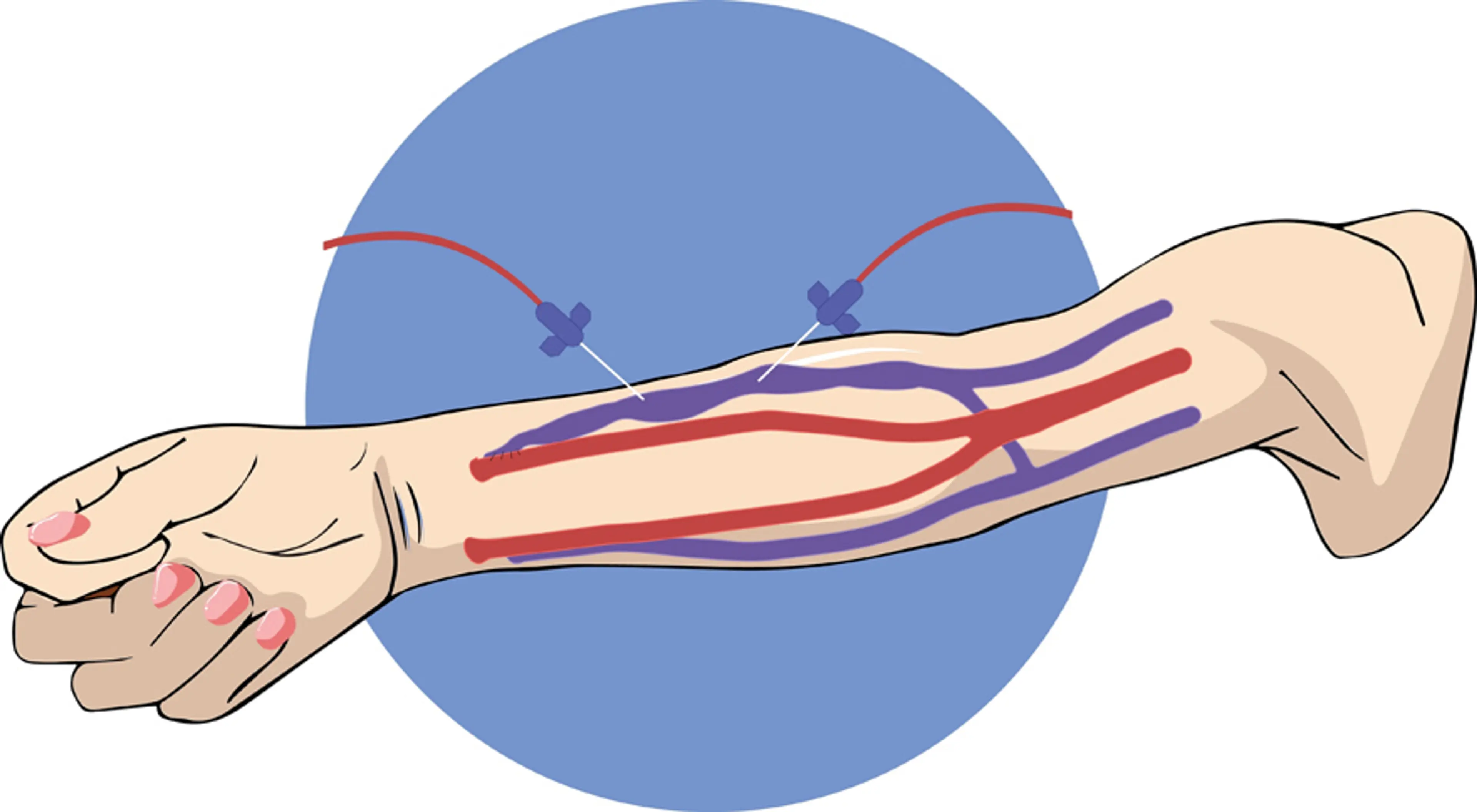
what-is-an-av-fistulaAn AV fistula is a direct connection made between an artery and a vein. It’s typically created in a patient’s forearm or upper arm by a vascular surgeon. During the procedure, the surgeon carefully joins an artery and a vein, allowing the blood flow from the artery to increase the size and strength of the vein. This makes it easier to insert a needle for dialysis.
How It Works:
The surgery involves connecting the artery to the vein, typically using the patient’s own blood vessels. As a result, the vein begins to carry arterial blood, which is faster and under higher pressure than the blood that typically flows through a vein.
Over time, the vein thickens and enlarges, making it more suitable for dialysis needle insertion.
This process can take weeks to months before the fistula is ready for use, depending on the patient's individual healing process and vascular health.
The AV fistula is often considered the gold standard in dialysis access due to its natural construction and the long-term benefits it offers.
What is an AV Graft?
what-is-an-av-graft
An AV graft is a synthetic tube used to connect an artery and a vein when the patient's veins are unsuitable for a fistula. This graft is typically made from a biocompatible material, such as polytetrafluoroethylene (PTFE), which is designed to mimic the body’s blood vessels.
How It Works:
Similar to an AV fistula, the graft allows blood to flow from the artery to the vein. However, instead of a natural vessel, a synthetic tube is used to bridge the gap between the artery and vein.
The graft is surgically placed beneath the skin, typically in the forearm or upper arm. Once the graft is in place, the vein can be accessed for dialysis.
The graft does not require the vein to grow or mature, which means it can be used sooner than an AV fistula—typically within a few weeks of surgery.
While AV grafts are often necessary in cases where a patient’s veins are too small or damaged for a fistula, they have a higher complication rate than fistulas.
Key Differences Between AV Fistula and AV Graft
key-differences-between-av-fistula-and-av-graftWhile both types of AV access serve the same purpose, there are several important differences in how they function, their suitability for patients, and their potential complications. Here’s a closer look at the key factors that set them apart:
1. Creation and Construction:
1.-creation-and-construction:AV Fistula: An AV fistula is a natural connection made using the patient’s own blood vessels. The procedure requires a skilled vascular surgeon, as it involves precise surgical work to connect the artery and vein.
AV Graft: An AV graft uses a synthetic tube to connect the artery and vein. This option is used when the patient’s veins are not suitable for a fistula, often due to damage, scarring, or other vascular conditions.
2. Maturity and Use:
2.-maturity-and-use:AV Fistula: One of the key drawbacks of an AV fistula is that it requires time to mature before it can be used for dialysis. This process can take anywhere from 6 weeks to several months, depending on how well the body responds to the surgery. The vein needs time to enlarge and thicken to accommodate the dialysis needles. It’s important to note that during the maturation process, the fistula may not be immediately usable, and patients may need alternative access methods in the short term.
AV Graft: AV grafts are much quicker to use, typically ready for dialysis within 2 to 6 weeks after the surgical procedure. Since the graft is a pre-formed synthetic tube, it doesn’t require the vein to mature or enlarge before use, making it a faster solution when immediate dialysis access is needed.
3. Longevity and Durability:
3.-longevity-and-durability:AV Fistula: One of the biggest advantages of an AV fistula is its longevity. Once it is mature and functional, it can last for many years. In fact, AV fistulas often provide reliable access to the bloodstream for dialysis for 5 to 10 years or longer. Fistulas generally require fewer interventions, such as replacements or repairs, compared to grafts.
AV Graft: While AV grafts are faster to create and use, they tend to have a shorter lifespan. Over time, the synthetic material can become damaged, clot, or become narrowed (stenosis). This means that grafts often need to be replaced or repaired more frequently, typically after 3 to 5 years.
4. Risk of Complications:
4.-risk-of-complications:AV Fistula: Because an AV fistula uses the body’s natural blood vessels, the risk of infection and clotting is generally lower compared to a graft. However, there is still the potential for complications, such as narrowing or thrombosis (blood clots), especially if the fistula doesn’t mature properly. In rare cases, the fistula may need to be revised or repaired if the connection between the artery and vein becomes compromised.
AV Graft: Grafts tend to have a higher risk of complications, particularly infection, clotting, and narrowing. These complications often require additional surgical interventions. For example, grafts can develop stenosis (narrowing of the graft), which can impede blood flow and disrupt dialysis. Patients with grafts are more likely to require frequent monitoring and potentially other procedures, such as angioplasty, to keep the graft patent.
5. Patient Suitability:
5.-patient-suitability:AV Fistula: Ideal candidates for an AV fistula are individuals with healthy veins that are large enough and in good condition to support the connection. Fistulas are often the preferred choice for younger patients or those who have relatively healthy vascular systems. However, if a patient has poor vein quality, an AV fistula may not be feasible.
AV Graft: Grafts are typically used in patients who do not have suitable veins for a fistula, such as those with small veins, scarring, or vascular disease. Grafts are also often recommended for patients who require immediate dialysis and cannot afford to wait for a fistula to mature.
Which One Is Better for Dialysis?
which-one-is-better-for-dialysis
When it comes to choosing between an AV fistula and an AV graft, the decision often depends on the patient's unique situation. Here's a breakdown of the factors that influence the decision:
AV Fistula is considered the best option in terms of longevity, fewer complications, and patient outcomes. If the patient has suitable veins, an AV fistula is generally the first choice. It’s especially recommended for younger patients or those with long-term dialysis needs.
AV Graft is typically used when an AV fistula is not an option. For patients with veins that are too small, scarred, or otherwise unsuitable for a fistula, an AV graft may be the only choice. It’s also used for patients who need immediate access to dialysis, as it can be ready for use more quickly than a fistula.
Clinical Considerations and Factors Affecting the Decision
clinical-considerations-and-factors-affecting-the-decisionThe choice between an AV fistula and AV graft is determined by several factors, including:
Vascular Health: The condition of the patient’s veins plays a critical role. Those with poor vein health may not be candidates for a fistula and may need a graft instead.
Time Frame for Dialysis: If the patient requires urgent dialysis access, a graft may be chosen because it can be used more quickly than a fistula, which requires time to mature.
Age and Health: Younger, healthier patients with good veins may benefit most from a fistula. In contrast, older patients with compromised veins or those with more urgent dialysis needs may be more suitable for a graft.
Long-Term Considerations: The need for long-term dialysis may influence the decision. Since AV fistulas tend to last longer, they are often the better choice for patients who will need dialysis for several years.
Conclusion
conclusionBoth AV fistulas and AV grafts are essential tools in ensuring that patients undergoing dialysis can maintain effective blood flow for treatment. While an AV fistula is generally preferred due to its durability, lower complication rate, and long-term effectiveness, an AV graft offers a quicker solution for patients with unsuitable veins or urgent dialysis needs.
If you’re considering dialysis access options, it’s essential to work closely with a vascular surgeon to determine the best choice for your specific needs. At Charm Vascular Clinic, we specialize in minimally invasive vascular procedures and can provide you with expert guidance and personalized treatment options tailored to your health goals.
If you’ve been struggling with kidney disease or dialysis access issues, consider a consultation with a trusted center like Charm Vascular Clinic for a comprehensive, individualized treatment plan that’s designed to optimize your long-term health and comfort.