Home / Articles
What Is Varicose Vein? Procedures Compared
Home / Articles
What Is Varicose Vein? Procedures Compared
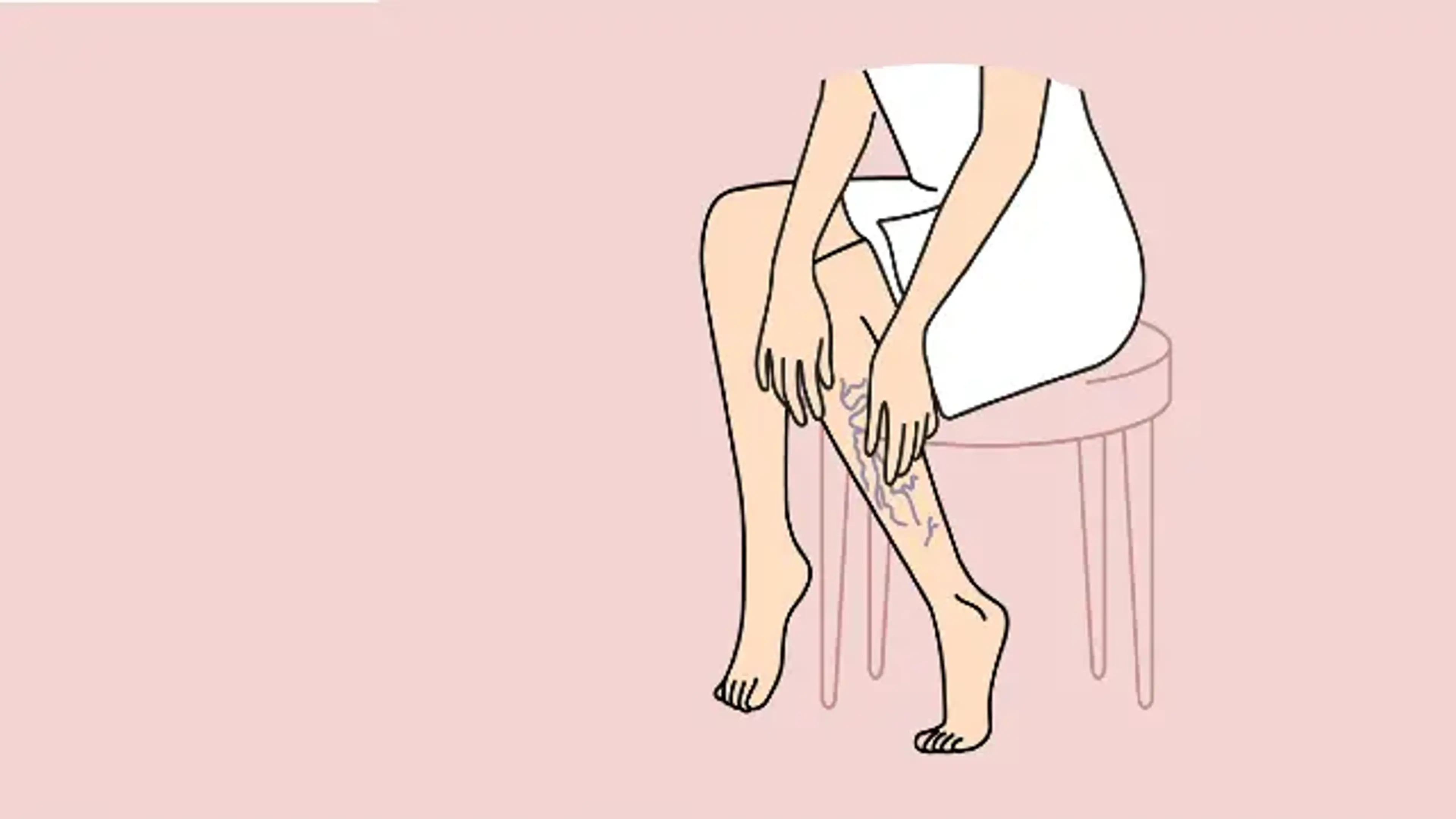
While many see them as a cosmetic issue, they are often a sign of underlying vascular health concerns. The good news is that modern medicine has evolved. Gone are the days of painful, invasive surgeries with long hospital stays. Today, varicose vein treatment is faster, safer, and more effective than ever before. This guide will help you navigate the best treatment for varicose veins and compare modern vein removal procedures to help you regain your confidence and comfort.
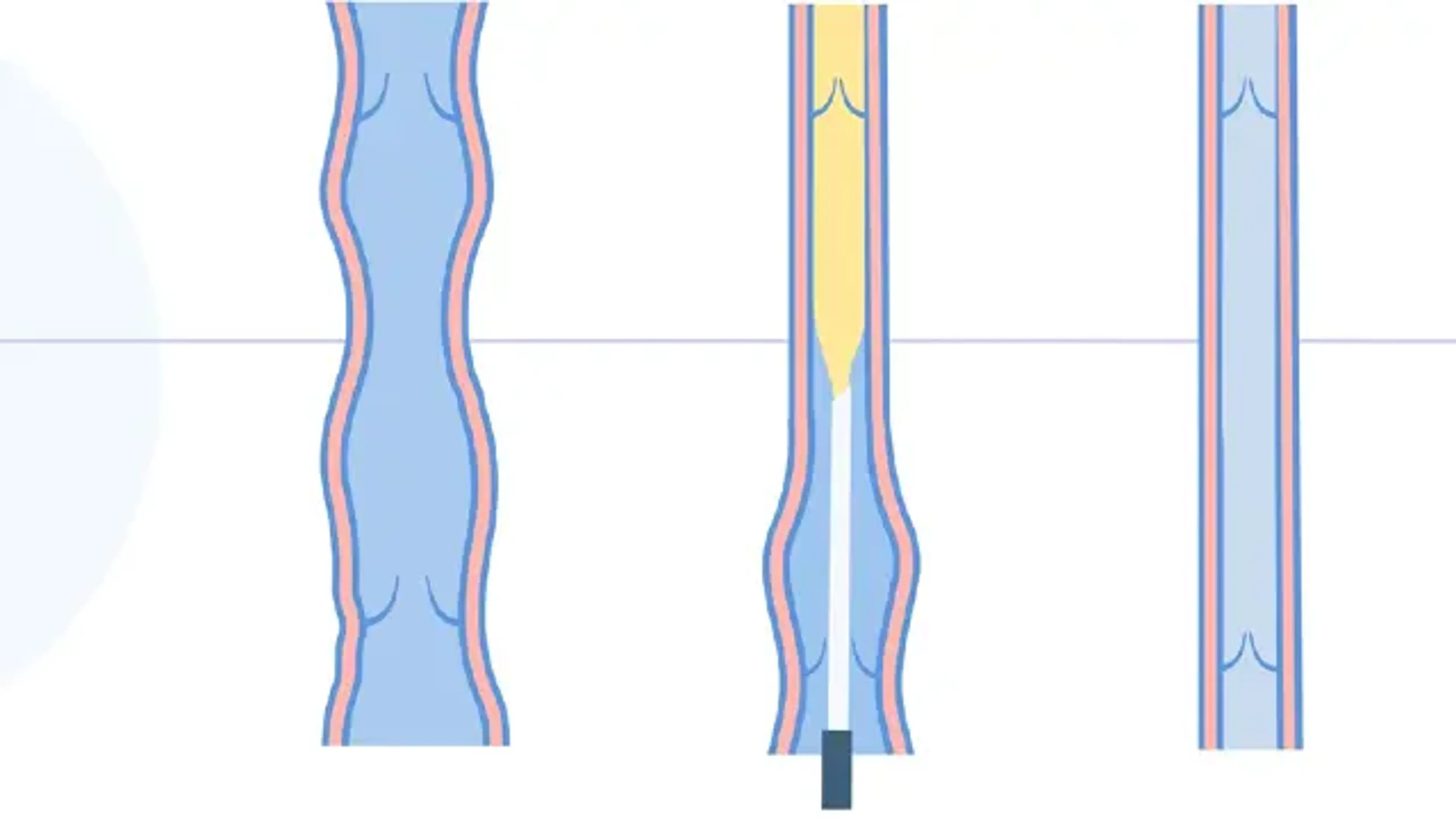
To choose the right treatment, you first need to understand what is happening inside your legs. Your veins have a tough job: they must pump blood upward, against gravity, back to your heart. To prevent blood from flowing backward, veins are equipped with tiny one-way valves.
When these valves weaken or fail, blood begins to pool in the vein rather than moving forward. This condition is called Chronic Venous Insufficiency. The pressure from the pooled blood causes the vein to stretch, twist, and bulge, resulting in the visible varicose vein.
Beyond the visual appearance, varicose veins often cause physical distress, including:
A heavy, aching, or tired feeling in the legs.
Swelling in the lower legs and ankles.
Burning, throbbing, or muscle cramping.
Itching around one or more of your veins.
Skin discoloration or spider webs (smaller versions of varicose veins).
Leaving varicose veins untreated is about more than just vanity. Over time, the high pressure can lead to skin ulcers, permanent skin darkening, and even dangerous blood clots known as Deep Vein Thrombosis (DVT). Seeking early treatment can prevent these serious complications.
What happens after you leave the clinic? For most modern procedures, you will be back on your feet the same day.
Not every bulging vein requires immediate surgery. Identifying if you are a candidate depends on your symptoms and a professional evaluation.
If you only dislike the look of small spider veins, your treatment is likely cosmetic. However, if you experience pain, swelling, or skin changes, most medical professionals consider treatment a necessity.
The first step is almost always a Duplex Ultrasound. This is a painless, non-invasive test that uses sound waves to see the blood flow in your legs. It allows the specialist to map out exactly which valves are failing and which procedure will work best for your specific anatomy.
In some cases, you may not need a procedure right away. Doctors often recommend a trial of compression stockings, regular exercise, and leg elevation. If these lifestyle changes do not provide relief, it is time to look at clinical procedures.
There is no one size fits all when it comes to vein health. Here are the most common procedures compared to help you understand your options.
This is the go-to treatment for smaller varicose veins and spider veins. A specialist injects a liquid or foam solution (sclerosant) directly into the vein. This solution irritates the lining of the vessel, causing it to collapse and eventually be absorbed by the body.
EVLT is a gold-standard treatment for larger "trunk" veins. A thin laser fiber is inserted into the vein through a tiny nick in the skin. The laser emits heat that seals the vein shut. It is highly effective and performed under local anesthesia.
Similar to laser treatment, RFA uses thermal energy. However, it uses radiofrequency waves instead of light. Many patients prefer RFA because it is often associated with even less post-operative bruising and discomfort than laser treatments.
VenaSeal is one of the newest innovations. Instead of heat or chemicals, it uses a medical-grade "super glue" to close the vein. Because there is no heat involved, there is no risk of nerve damage, and patients often do not need to wear compression stockings after the procedure.
For veins that are very close to the surface and bulging significantly, a doctor may perform a phlebectomy. This involves making tiny, slit-like punctures and physically removing the vein sections. It sounds intense, but the incisions are so small they usually don’t even require stitches.
This is the traditional surgical method where the vein is tied off and pulled out of the leg. It requires general anesthesia and a longer recovery. In modern clinics, this is rarely used unless the veins are exceptionally large or complex.
Procedure | Technique | Recovery Time | Best For | Pain Level |
|---|---|---|---|---|
Sclerotherapy | Chemical Injection | 1–2 days | Spider/Small Veins | Very Low |
EVLT | Laser Heat | 3–7 days | Large Trunk Veins | Moderate |
RFA | Radiofrequency | 3–5 days | Large Trunk Veins | Low |
VenaSeal | Medical Glue | Immediate | Straight Veins | Minimal |
Phlebectomy | Physical Removal | 1 week | Bulging Surface Veins | Moderate |
When considering medical procedures, cost is a significant factor. In Western countries like the USA or UK, the price of vein treatment can be a major barrier, often leading patients to delay care.
Region | Sclerotherapy (per session) | EVLT/RFA (per leg) | VenaSeal (per leg) |
|---|---|---|---|
USA | $400 – $1,200 | $3,000 – $6,000 | $4,500 – $7,000 |
UK | $380 – $1,000 | $3,200 – $5,800 | $4,400 – $7,000 |
South Korea | $150 – $400 | $1,200 – $2,500 | $2,000 – $3,500 |
To ensure the best outcome, we recommend asking your doctor the following questions during your consultation:
Are you board-certified in vascular surgery or a related field?
How many VenaSeal or RFA procedures have you performed this month?
Is the ultrasound mapping performed by you or a technician?
What is your protocol if a vein reopens after treatment?
What are the total costs including follow-up appointments?
The specific vein that is treated and closed is gone forever. However, your body can develop new varicose veins in other areas if you are genetically predisposed or do not manage lifestyle factors like weight and activity levels.
Modern treatments are designed for comfort. Local anesthesia numbs the area completely. You might feel a slight tugging or pressure, but sharp pain is very rare.
Yes. Walking is the best thing you can do for your recovery. It keeps the blood moving in your healthy veins and speeds up the healing process.
Most insurance companies cover treatments like EVLT or RFA if you can prove medical necessity (pain, swelling, or ulcers). Sclerotherapy for small spider veins is usually considered cosmetic and is paid out-of-pocket.
South Korea offers the perfect mix of price and performance. It has the world's highest density of advanced medical imaging and specialized vascular clinics, offering high-end care at a fraction of the cost found in the US or Europe.
Varicose veins are more than just a surface-level annoyance; they are a sign that your circulatory system needs a helping hand. Whether you choose Sclerotherapy for small veins or the advanced VenaSeal glue method, the goal is the same: healthier, pain-free legs.