Home / Articles
What Is Venous Insufficiency and How Does It Relate to Varicose Veins?
Home / Articles
What Is Venous Insufficiency and How Does It Relate to Varicose Veins?
Chronic venous insufficiency (CVI) and varicose veins are terms you might have heard if you've ever experienced leg pain, swelling, or noticeable bulging veins. To be honest, they’re not just cosmetic issues; they’re indicators of a deeper vascular problem. Both CVI and varicose veins are linked to the failure of your veins to properly return blood from your legs to your heart. But how do they differ, and how do they connect? Let's break it down.
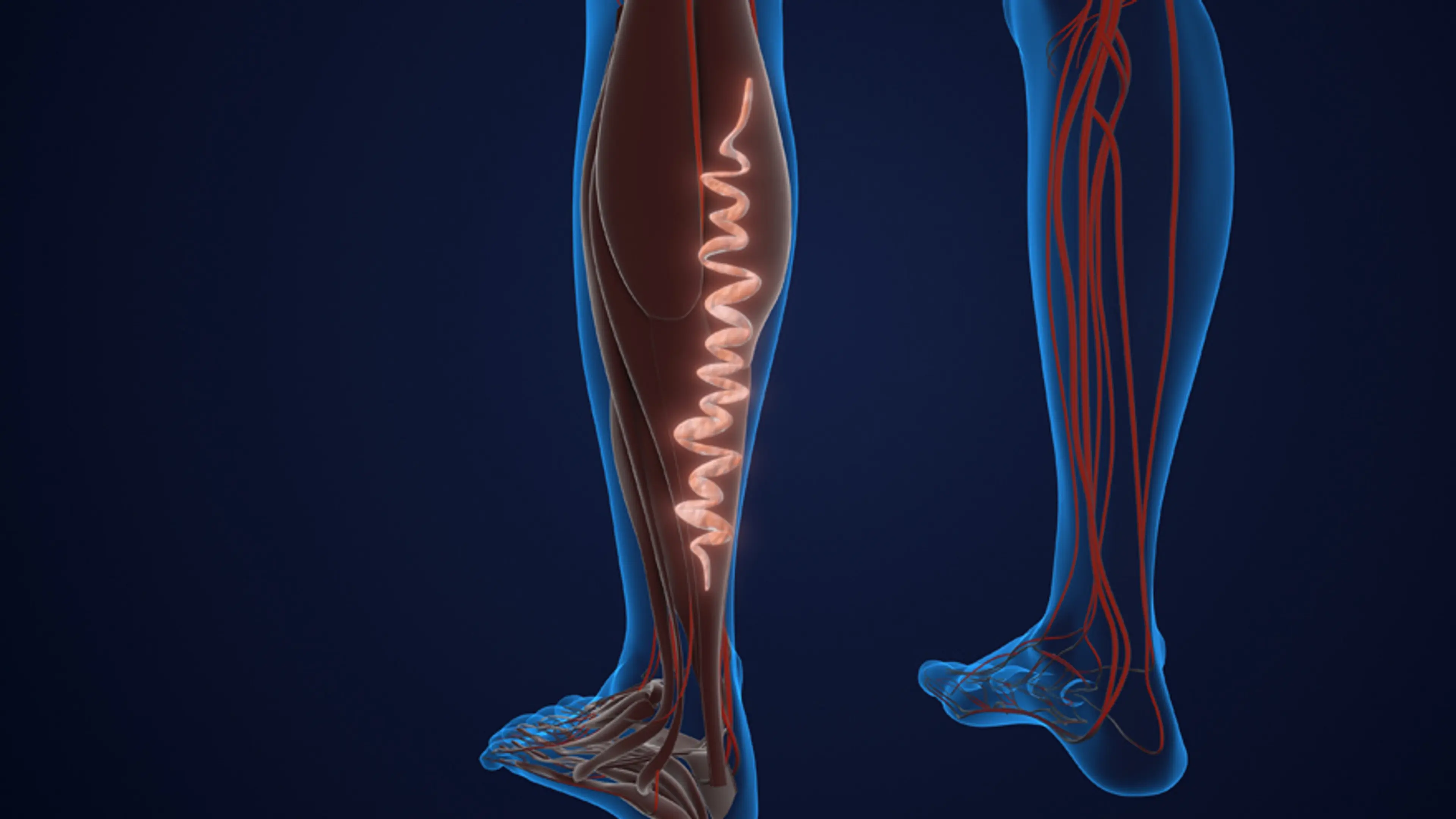
Venous insufficiency is a condition where the veins in your legs can’t efficiently carry blood back to your heart. Normally, your veins have one-way valves that prevent blood from flowing backward. But when these valves become weakened or damaged, blood starts to pool in the veins, causing them to stretch and twist. This leads to poor circulation and a buildup of blood in the lower extremities.
In more technical terms, venous insufficiency is a progressive condition. It means that over time, as your veins lose their ability to effectively pump blood upwards against gravity, symptoms get worse. It's not always immediately noticeable, but it can lead to complications if left untreated.
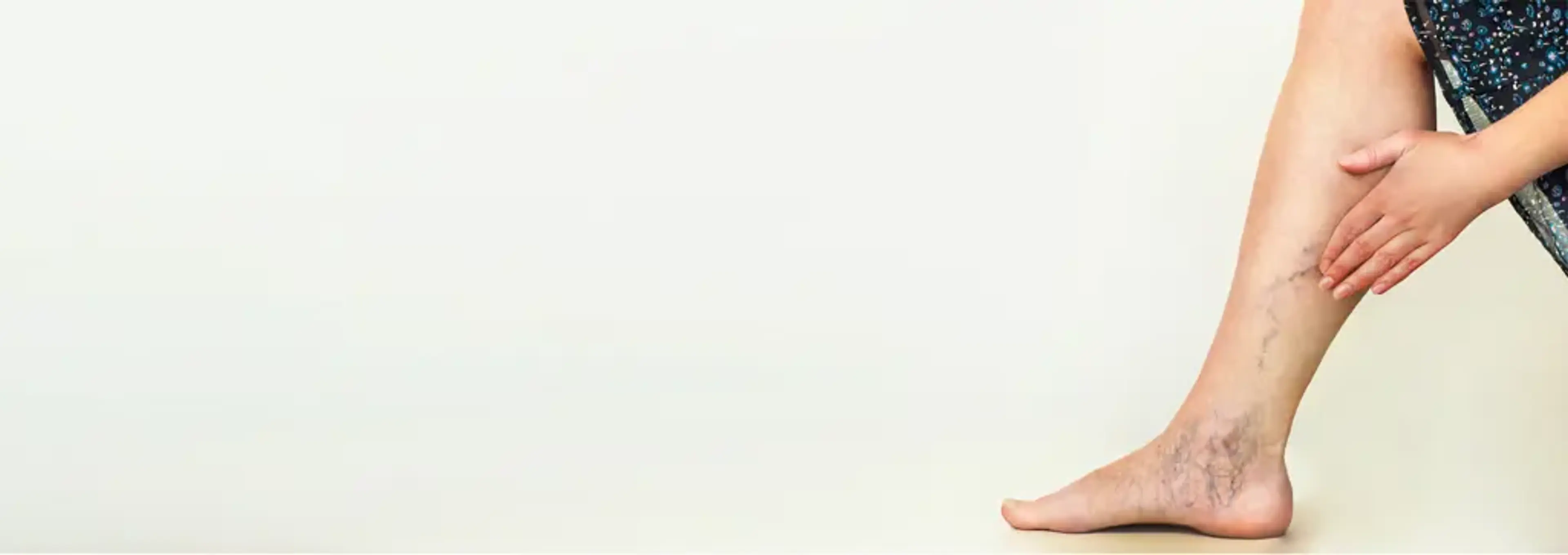
Varicose veins are one of the most common visible signs of venous insufficiency. To understand the connection, picture a series of pipes in your home—pipes that carry water from one place to another. If one of the valves in the pipe becomes faulty, water (or in this case, blood) will leak back and build up, causing the pipe to bulge and deform. Similarly, in the veins, when the valves fail, blood doesn’t flow properly, and the veins become enlarged and twisted—what we recognize as varicose veins.
Venous insufficiency doesn’t always have obvious external signs at first. In its early stages, you might just feel tired or heavy legs, especially after standing for long periods. However, as the condition progresses, these symptoms become more pronounced. Common symptoms of venous insufficiency include:
If you’ve been feeling any of these symptoms and have noticed varicose veins, it’s a good idea to consult a vascular specialist, like those at Charm Vascular Clinic, to evaluate your condition.
To understand the progression from venous insufficiency to varicose veins, it’s helpful to know how blood circulates in your legs. When your heart pumps blood through your body, it moves from the arteries into the capillaries and veins. Your veins are supposed to return that blood back to your heart, assisted by one-way valves that keep the blood moving in the right direction.
However, when these valves begin to weaken or malfunction—whether from age, genetics, pregnancy, or other factors—blood starts to pool. As the blood collects, it causes the veins to stretch and bulge, leading to the appearance of varicose veins.
If untreated, the veins may worsen over time, becoming even more swollen and discolored. Blood pooling can also cause the skin to break down, leading to ulcers and a risk of infection. That’s why seeking early intervention is crucial, especially if you notice the first signs of varicose veins or experience symptoms of venous insufficiency.
Venous insufficiency can be triggered by a variety of factors, including:
Treatment for venous insufficiency focuses on improving blood circulation and preventing the condition from worsening. In many cases, the earlier you catch it, the easier it is to treat. There are several effective options:
Compression stockings are often the first line of defense. They apply gentle pressure to your legs, which helps support your veins and improves blood circulation.
In this minimally invasive treatment, a solution is injected into the affected veins, causing them to close and eventually fade away. It's often used for smaller varicose veins.
This procedure uses laser energy to close off problematic veins. It's a highly effective and minimally invasive procedure that allows patients to avoid traditional surgery.
Similar to EVLA, RFA uses heat to close off malfunctioning veins. It’s another minimally invasive option for patients with larger veins.
This is a newer treatment that uses medical adhesive to close off damaged veins. It’s quick, effective, and doesn’t require the use of anesthesia.
Each treatment option at Charm Vascular Clinic is tailored to the individual’s condition, with a focus on providing the most comfortable and effective results.
Ignoring the early signs of venous insufficiency can lead to complications, including chronic leg ulcers, skin changes, or even blood clots. Left untreated, venous insufficiency can affect your quality of life by causing chronic pain and swelling, not to mention the emotional impact of visible varicose veins.
At Charm Vascular Clinic, our specialists understand that treating venous insufficiency is not just about addressing a physical issue; it's about improving your overall well-being. We focus on minimally invasive treatments that allow for quick recovery and long-lasting relief, so you can get back to living your life without the discomfort and frustration that comes with venous problems.
If you’ve noticed bulging veins or other signs of venous insufficiency, you’re not alone, and there’s no need to suffer in silence. With advanced, minimally invasive treatments like Endovenous Laser Ablation, Radiofrequency Ablation, and VenaSeal™, you can regain comfort and confidence.
Consider consulting with a vascular specialist at Charm Vascular Clinic to discuss your symptoms and explore personalized treatment options. If you’ve been struggling with varicose veins or chronic venous insufficiency, don’t wait—early intervention can make all the difference.