Understanding Dialysis Access Sites
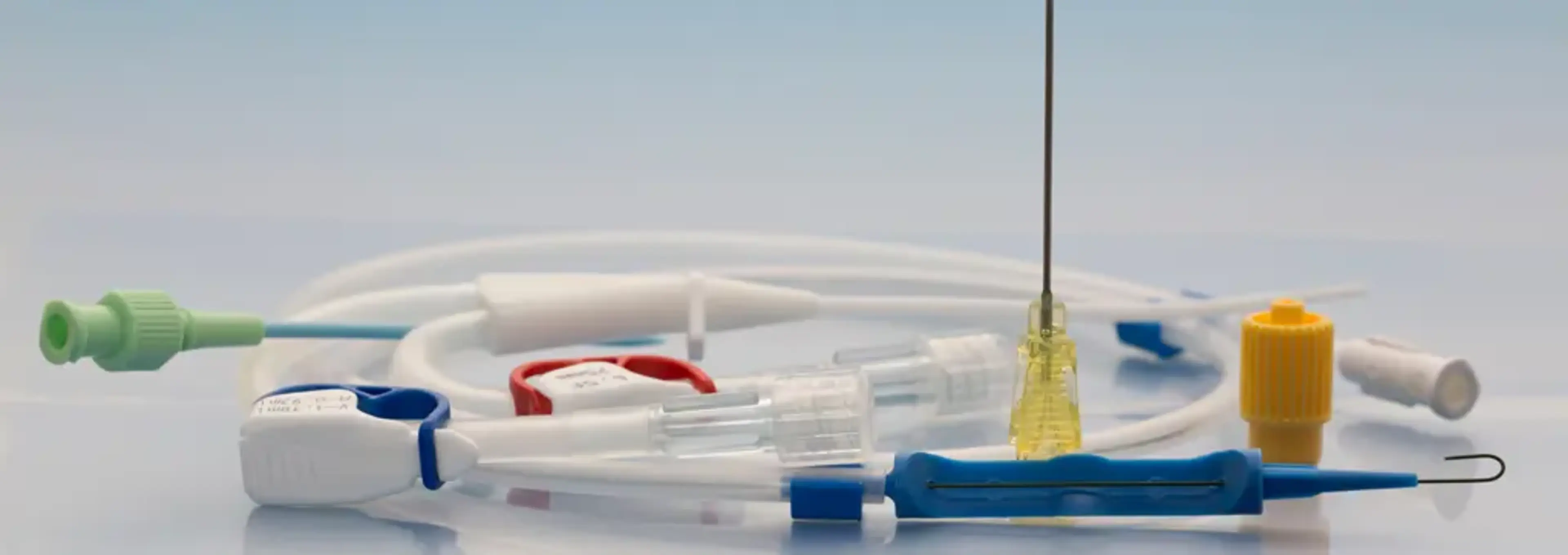
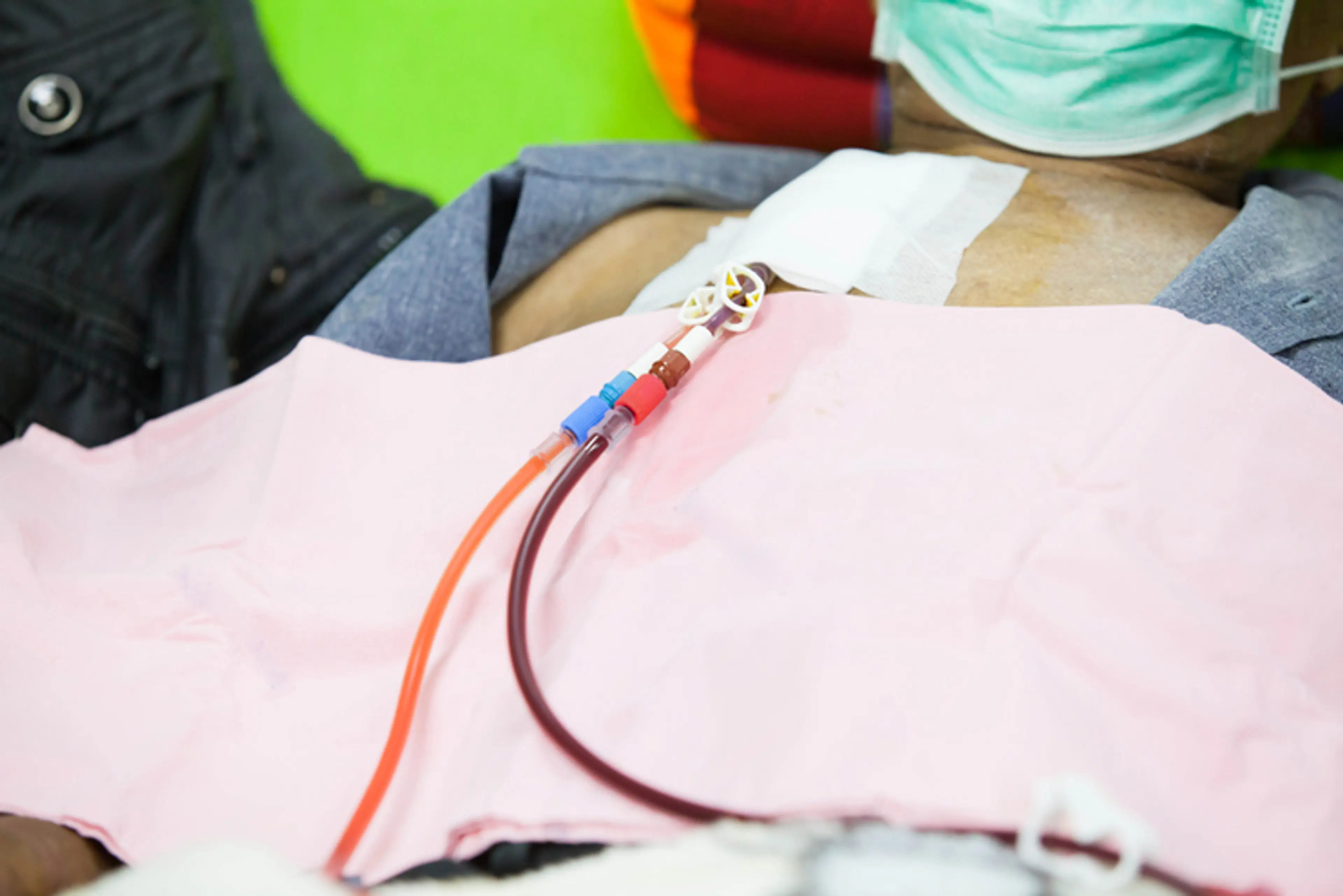
understanding-dialysis-access-sitesDialysis is a critical treatment for individuals with kidney failure, designed to remove waste, excess fluids, and toxins from the blood when the kidneys can no longer perform these functions effectively. A fundamental aspect of hemodialysis is the creation of an access site where blood is drawn and returned to the body after being filtered through the dialysis machine.
Dialysis Access Types: There are several types of dialysis access sites, each with its own set of advantages and considerations:
Arteriovenous (AV) Fistula: This is the preferred form of dialysis access, where a surgeon connects an artery to a vein, usually in the arm, creating a larger blood vessel for dialysis. The increased blood flow makes it easier to perform dialysis.
Arteriovenous (AV) Graft: This is used when veins are not suitable for a fistula. A synthetic tube (graft) connects an artery and vein to create a vascular access point. While effective, grafts are more prone to infection and clotting.
Central Venous Catheter: In emergency situations or for short-term dialysis, a catheter may be inserted into a large vein in the neck, chest, or groin. This option, while quick to place, is less ideal for long-term use because it can increase the risk of infections and blood clots.
These
access sites are essential for the success of hemodialysis, but they also come with their own set of risks. One of the most serious complications is the formation of
blood clots at the access point, which can disrupt dialysis treatment and lead to further health complications.
The Role of Blood Flow in Dialysis Access
the-role-of-blood-flow-in-dialysis-accessBlood flow plays a vital role in the function of dialysis access sites. The primary goal is to ensure that blood is able to flow easily and efficiently from the body into the dialysis machine and back again. Any disruption to this blood flow can lead to serious problems, including the formation of blood clots.
Blood Flow and Thrombosis Risk: In the case of a dialysis access site, thrombosis (the formation of a blood clot) can occur when there is a restriction in blood flow. This restriction can happen for various reasons, including:
Vessel narrowing: Over time, the veins or grafts can narrow, making it more difficult for blood to flow freely. This narrowing increases the chances of a clot forming.
Infection or inflammation: Infection at the access site or inflammation of the surrounding tissues can disrupt blood flow and encourage clot formation.
Improper use or care of the access site: For example, repeated or improper needle insertions can cause damage to the blood vessels and promote clotting.
The Importance of Unimpeded Blood Flow: Maintaining adequate blood flow is crucial for the dialysis process to be effective. When blood clots form in the access site, it can cause the following problems:
Reduced blood flow, which can make dialysis less effective or even impossible in some cases.
The need for additional medical interventions, such as clot removal or more invasive surgeries.
Long-term complications, including damage to the access site, leading to the need for a new dialysis access point.
This is why regular monitoring of the access site, through routine exams or ultrasounds, is vital to detect any issues early and prevent blood clots from forming.
Causes of Blood Clots in Dialysis Access Sites
causes-of-blood-clots-in-dialysis-access-sitesBlood clots in dialysis access sites can be caused by a variety of factors, and identifying the root cause is crucial for preventing and treating clots effectively. Understanding these causes can help patients and healthcare providers take proactive steps to reduce the risks associated with clotting.
Primary Causes of Clots in Dialysis Access:
primary-causes-of-clots-in-dialysis-access:Mechanical Factors: Over time, the structure of the blood vessel or graft can change. A fistula, for example, can become narrowed, or a graft might become kinked. These mechanical issues can create areas where blood flow is slowed, leading to clot formation.
Blood Flow Changes: In some cases, changes in the speed or pressure of blood flow through the dialysis access site can promote clotting. This may happen when the vein or graft is not able to accommodate the amount of blood being filtered during dialysis.
Infection and Inflammation: An infection or inflammation of the access site can disrupt blood flow, creating an environment where blood clots are more likely to form. This is particularly common in central venous catheters, which are more prone to infection than fistulas or grafts.
Clotting Disorders: Certain individuals have underlying medical conditions that predispose them to clotting. These can include hereditary clotting disorders, such as factor V Leiden, or conditions like antiphospholipid syndrome that increase clotting risk.
Risk Factors for Clot Formation: Some people are at higher risk for developing blood clots in their dialysis access sites. These include individuals with:
Poorly functioning access sites: This includes grafts that are prone to narrowing or fistulas that are not fully matured.
Frequent needle insertions: Repeated punctures at the access site can irritate the blood vessels and promote clotting.
Comorbid conditions: Diabetes, high blood pressure, and high cholesterol can contribute to vascular changes that increase the likelihood of clot formation.
Managing Risk Factors:
managing-risk-factors:Close monitoring and care of dialysis access sites, including avoiding unnecessary trauma and ensuring proper needle placement, are critical in reducing clot risk.
Managing comorbid conditions with appropriate medication and lifestyle changes can help improve vascular health and prevent clots.
Symptoms of Blood Clots in Dialysis Access Sites
symptoms-of-blood-clots-in-dialysis-access-sitesRecognizing the symptoms of a blood clot in a dialysis access site is essential for timely intervention. Patients and healthcare providers should be vigilant in monitoring for any signs that could indicate a clot is forming, as early detection can help prevent complications and restore blood flow before further damage occurs.
Common Symptoms of Blood Clots:
common-symptoms-of-blood-clots:Swelling at the access site: A noticeable increase in size or puffiness around the access site, often due to blocked blood flow.
Pain or tenderness: Discomfort at or near the dialysis access site, which may be a sign of clot formation or inflammation.
Reduced blood flow or difficulty with dialysis: A decrease in the effectiveness of dialysis, such as slower-than-normal filtration or difficulty drawing blood from the access site.
Change in the appearance of the access site: For example, a fistula may become more prominent or feel hard to the touch.
What to Do if Symptoms Occur: If you notice any of these symptoms, it’s important to contact your healthcare provider immediately. Early intervention is key in managing blood clots and preventing complications such as complete occlusion of the access site, which could require more invasive procedures like graft removal or surgery.
The Role of Regular Monitoring: Patients with dialysis access sites should regularly monitor their access point for signs of clotting and should seek medical attention if they notice any concerning changes. Additionally, healthcare providers should conduct routine checks, such as ultrasound examinations, to ensure the access site is functioning properly and free from blood clots.
Diagnosis of Blood Clots in Dialysis Access Sites
diagnosis-of-blood-clots-in-dialysis-access-sitesDetecting blood clots in dialysis access sites requires specific diagnostic methods to ensure effective treatment. Healthcare providers rely on several tools to identify clots and assess the condition of the access site.
Diagnostic Tools:
diagnostic-tools:Ultrasound: The most common and non-invasive method for detecting blood clots. It uses sound waves to create images of blood flow and helps identify any blockages or narrowing in veins or grafts.
Venography: In some cases, a contrast dye is injected into the vein, and X-rays are taken to visualize blood flow. This method is used when an ultrasound is inconclusive.
Importance of Early Detection: Early detection is key in managing blood clots effectively. If left untreated, clots can cause irreversible damage to the access site, requiring more complex procedures like graft removal or the creation of a new access point. Regular check-ups and monitoring are essential in preventing these complications.
Treatment Options for Blood Clots in Dialysis Access Sites
treatment-options-for-blood-clots-in-dialysis-access-sitesTreatment for blood clots in dialysis access sites aims to restore blood flow, prevent further complications, and maintain the function of the access site. The choice of treatment depends on the size and location of the clot, as well as the patient's overall health.
Treatment Options:
treatment-options:Thrombolytic Therapy: Medications like tissue plasminogen activator (tPA) can break down clots. This is most effective for recent clots.
Anticoagulants: Blood thinners may be used to prevent new clots from forming, especially in patients with a history of clotting.
Angioplasty and Stenting: For persistent clots or narrowed vessels, a balloon angioplasty can open the vessel, and a stent may be placed to keep it open.
Surgical Intervention: In severe cases, a surgical procedure may be necessary to remove the clot or even replace the access site.
Choosing the Right Treatment: The best approach depends on the individual’s medical history and the extent of the clot. Early intervention and personalized care are key to avoiding further complications.
Preventing Blood Clots in Dialysis Access Sites
preventing-blood-clots-in-dialysis-access-sitesPreventing blood clots is crucial in ensuring the longevity and effectiveness of dialysis access sites. Several strategies can help reduce the risk of clot formation.
Preventative Measures:
preventative-measures:Proper Access Site Care: Ensuring clean and sterile conditions when accessing the site is crucial to avoid infection and reduce clot risk.
Regular Monitoring: Routine ultrasound exams and physical checks can help detect any early signs of clotting.
Lifestyle Modifications: A healthy diet, adequate hydration, and regular exercise can improve vascular health and reduce clotting risks.
Anticoagulant Therapy: For patients at higher risk of clotting, anticoagulants may be prescribed. However, careful monitoring is necessary to balance clot prevention with the risk of bleeding.
Anticoagulant Therapy in Dialysis Patients
anticoagulant-therapy-in-dialysis-patientsAnticoagulant therapy is often used in dialysis patients to prevent blood clots, especially for those with clotting disorders or high-risk access sites. These medications work by thinning the blood, making it less likely for clots to form.
Common Anticoagulants:
common-anticoagulants:Heparin: A fast-acting anticoagulant often used during dialysis sessions to prevent clotting in the access site.
Warfarin or Direct Oral Anticoagulants (DOACs): These may be used for long-term prevention in patients at risk for chronic clotting.
Balancing Risks: While anticoagulants help prevent clots, they also increase the risk of bleeding. It’s important for healthcare providers to closely monitor these patients and adjust dosages as needed to ensure the right balance of protection against clotting without increasing bleeding risks.
Managing Complications of Blood Clots in Dialysis Access Sites
managing-complications-of-blood-clots-in-dialysis-access-sitesIf blood clots are left untreated in dialysis access sites, they can lead to serious complications, including the loss of the access site and the need for more invasive treatments. Managing these complications early can help preserve the access site and prevent further health risks.
Potential Complications:
potential-complications:Loss of Access Site: If blood clots cause prolonged blockage, the access site may no longer function effectively, leading to the need for a new dialysis access point.
Systemic Embolism: In rare cases, a clot may break loose and travel to other parts of the body, potentially causing life-threatening issues, such as a stroke or pulmonary embolism.
Infection: Clots can also lead to infection, especially in grafts or catheters, which can complicate treatment and recovery.
Management Strategies:
management-strategies:Early diagnosis and prompt treatment with thrombolytics or surgical interventions can help prevent these severe complications.
Continued monitoring and follow-up care are essential to detect any recurring issues.
Long-Term Monitoring and Maintenance of Dialysis Access
long-term-monitoring-and-maintenance-of-dialysis-accessOngoing monitoring is essential to keep dialysis access sites functioning properly and reduce the risk of clotting. Routine exams and vigilant care can identify early signs of problems and allow for timely interventions.
Regular Check-ups:
regular-check-ups:Routine ultrasound scans and physical assessments help healthcare providers monitor blood flow and detect any signs of narrowing or clotting.
Dialysis access surveillance should be done at regular intervals, depending on the type of access site and the patient’s overall health.
Proper Care and Maintenance:
proper-care-and-maintenance:Proper hygiene and care of the access site are crucial to avoid infections and clotting.
Healthcare providers should educate patients on how to care for their dialysis access points, including cleaning and checking for any unusual changes in the access site.
Rehabilitation and Recovery:
rehabilitation-and-recovery:After treatment for a blood clot, patients may need to take steps to recover the function of their access site and return to effective dialysis.
Follow-up care and potentially minor procedures like angioplasty can restore normal blood flow and keep the dialysis treatment on track.
The Importance of Early Intervention in Dialysis Access Health
the-importance-of-early-intervention-in-dialysis-access-healthEarly intervention is key to managing blood clots in dialysis access sites. Detecting a clot early allows for less invasive treatments and a better chance of preserving the access site.
Benefits of Early Detection:
benefits-of-early-detection:Less invasive treatments: Early-stage clots are often treatable with medications or minimally invasive procedures, preventing the need for more extensive surgeries.
Prevention of further complications: Prompt treatment can prevent clot migration or other complications that may arise from untreated clots, such as loss of access or systemic embolism.
Patient Role in Early Intervention: Patients should be proactive in monitoring their access site and report any changes, like swelling or discomfort, to their healthcare provider. This helps in getting timely treatment before clots cause significant issues.
Conclusion
conclusionBlood clots in dialysis access sites are a serious concern for patients undergoing hemodialysis. Understanding the causes, symptoms, and potential complications of blood clots can empower patients and healthcare providers to take proactive steps in preventing and managing these issues. With proper monitoring, early intervention, and effective treatment options, blood clots can often be managed successfully, ensuring continued access for dialysis and preserving patient health.
By maintaining vigilant care of dialysis access sites and adhering to recommended medical guidelines, the risk of clot formation can be minimized. Regular check-ups, lifestyle modifications, and, when necessary, anticoagulant therapy can all play crucial roles in preventing blood clots.
For those facing dialysis-related health challenges,
Charm Vascular Clinic stands out as a trusted leader in vascular care. With advanced diagnostic tools, personalized treatment plans, and a commitment to minimally invasive techniques, Charm Vascular Clinic offers optimal care for patients experiencing blood clot issues in their dialysis access sites. Through early intervention and cutting-edge treatments, patients can achieve the best possible outcomes, helping them lead healthier lives while managing their dialysis needs.
If you or a loved one is concerned about blood clots in dialysis access sites, consider seeking expert advice from Charm Vascular Clinic to ensure the best care and outcomes.