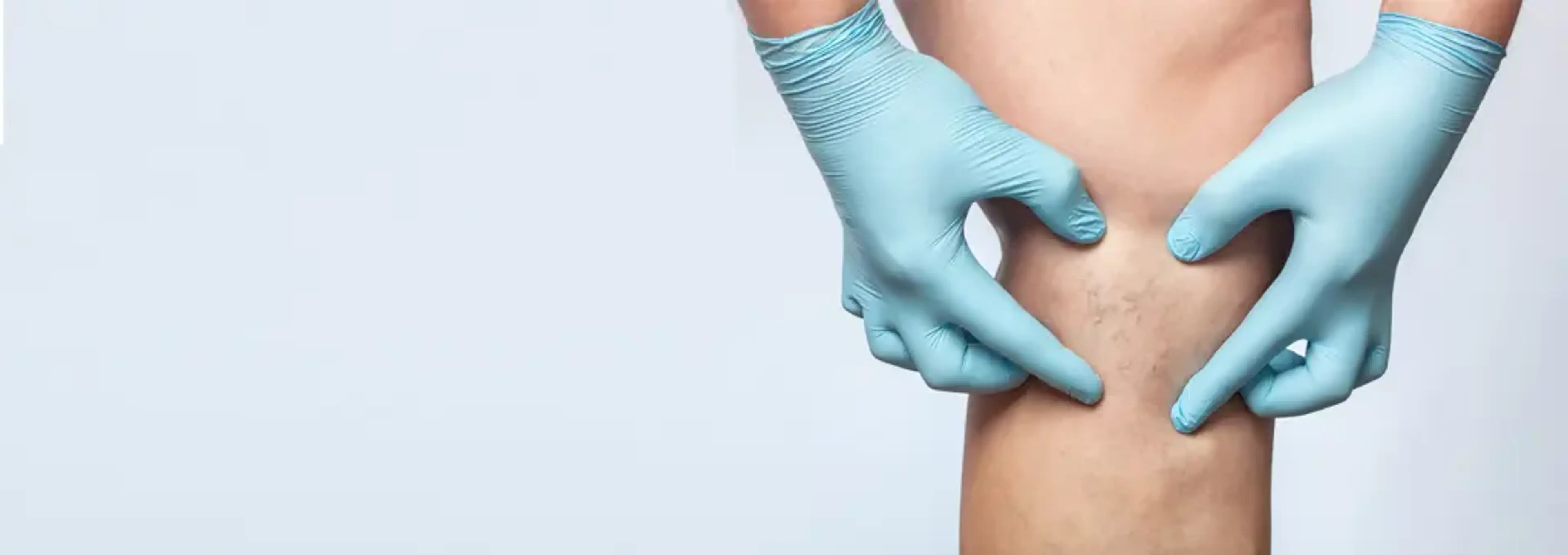
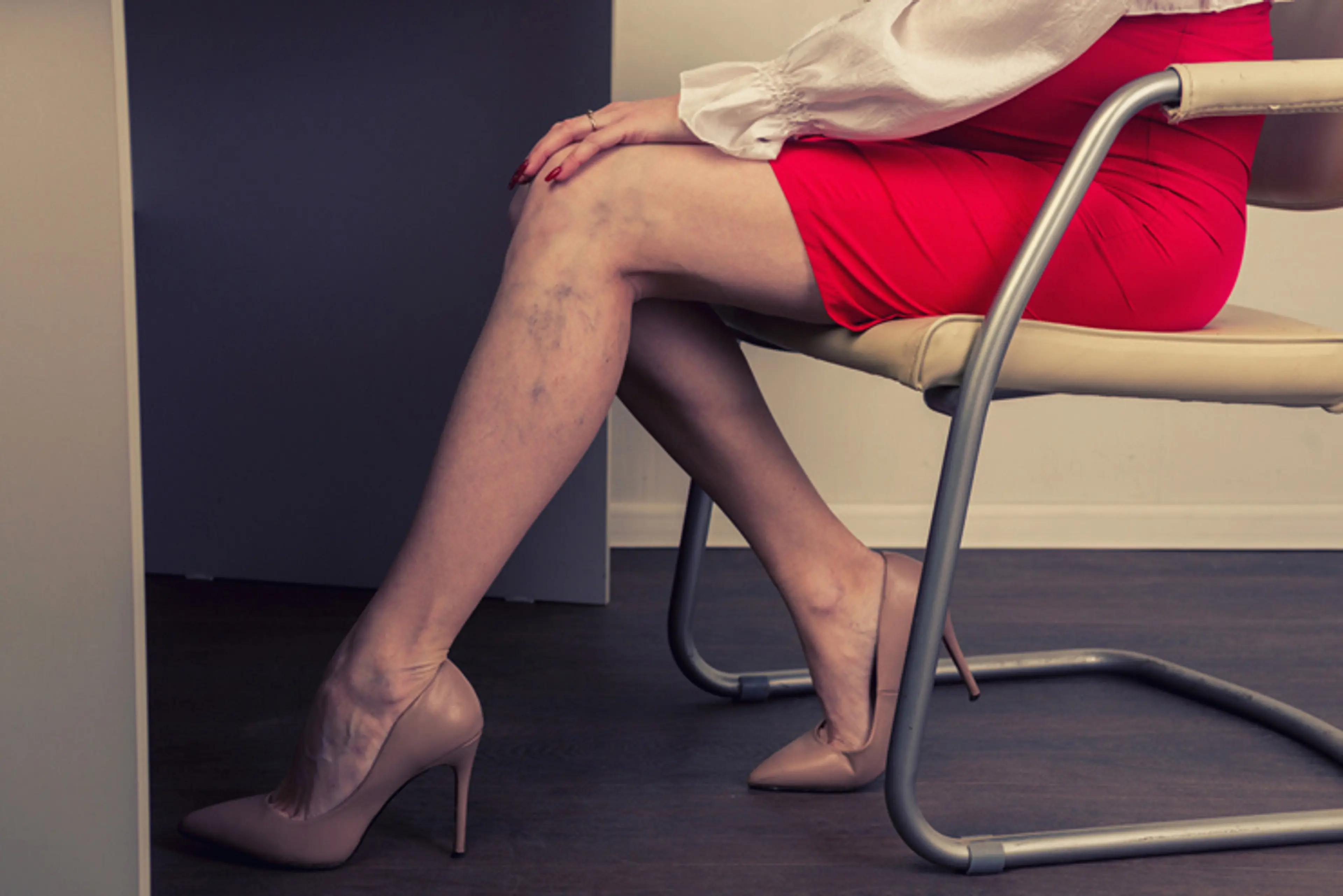
In Seoul, it’s not unusual to spend eight or more hours at a desk, followed by a long subway commute, and then a few more hours seated at home. It feels like rest. But for your veins — especially the ones in your legs — this lifestyle can quietly cause long-term harm.
At Charm Vascular Clinic, we see this scenario every day: otherwise healthy adults, often in their 30s to 50s, showing early signs of venous insufficiency, swollen ankles, or bulging varicose veins — not because of a major disease, but because of something as “ordinary” as sitting.
Let’s take a deeper look at what sitting too long really does to your vascular system, why it matters more than you think, and how you can protect your veins without needing a complete lifestyle overhaul.
What Happens to Your Veins When You Sit for Too Long
what-happens-to-your-veins-when-you-sit-for-too-longTo understand the damage, you have to first understand how veins work.
Unlike arteries, which pump blood away from the heart, veins return blood to the heart — often working against gravity. In your legs, especially, veins rely on two things to move blood upward: muscle movement and tiny one-way valves that prevent backflow.
Now, here’s the issue:
When you sit still for hours, your leg muscles don’t contract much. That means the veins lose their primary engine — the calf pump. As a result:
Blood starts to pool in the legs, especially around the ankles and lower calves.
Venous pressure increases, stretching the vein walls over time.
Valves can weaken, leading to chronic backflow — a condition known as chronic venous insufficiency (CVI).
Varicose veins can form, especially if you’re genetically predisposed.
What people often overlook is that these changes can start happening even if you don’t feel pain. The early signs are subtle: a bit of leg heaviness, some mild swelling at night, or small spider veins that weren’t there before.
Who Is Most at Risk?
who-is-most-at-riskWhile anyone who sits for long periods is at risk, some groups are especially vulnerable:
Office workers and freelancers glued to desks
Drivers, especially taxi or delivery drivers
Teachers, administrators, and bank workers
Gamers and students who study or play for hours at a time
Frequent flyers, especially on long-haul flights
People with a family history of varicose veins or CVI
Pregnant women, who already have increased venous pressure
And let’s be honest — in South Korea’s fast-paced, tech-driven environment, sitting too much is almost a national habit. It’s baked into our work culture, education system, and even leisure time.
Early Signs Your Veins Are Struggling
early-signs-your-veins-are-struggling
If you're wondering whether it's already affecting you, here are some early indicators we often see at Charm Vascular Clinic:
Leg heaviness or fatigue by the end of the day
Swelling around the ankles, especially after sitting or standing
Itchy or tight skin near the calves
Restless legs at night
Small, visible spider veins or early varicose veins
Cramping or aching, particularly after long sedentary periods
These signs are your body’s quiet alarm bells. The longer they’re ignored, the more likely they are to evolve into chronic venous insufficiency or larger, painful varicose veins.
What Sitting Can Lead to (If Left Unchecked)
what-sitting-can-lead-to-(if-left-unchecked)If you let years of inactivity build up, your veins begin to change — physically and functionally.
Advanced chronic venous insufficiency (CVI) can result in:
Twisted, bulging varicose veins
Skin discoloration or thickening near the ankles
Venous eczema — itchy, inflamed skin from poor circulation
Venous ulcers — slow-healing wounds, often misdiagnosed as simple skin problems
Increased risk of deep vein thrombosis (DVT) — a dangerous blood clot, especially after long flights or periods of immobility
In our clinic, we often meet patients who delayed care because their symptoms seemed “minor” or just a sign of aging. But vein disease is progressive — the longer you wait, the more involved treatment may become.
The Fix: How to Protect Your Veins — Even If You Sit All Day
the-fix:-how-to-protect-your-veins-even-if-you-sit-all-dayThe good news? There’s a lot you can do to counteract the effects of sitting — and much of it is simpler than you think.
1. Move Every 30–60 Minutes
1.-move-every-30-60-minutesEven brief movement resets circulation. Stand, stretch, or walk for 2–5 minutes — ideally every hour. Set a timer if needed. This small habit has a big effect on your venous health.
2. Use Calf Pumps While Sitting
2.-use-calf-pumps-while-sittingIf you can’t get up, flex your feet — heel to toe, repeatedly — to mimic walking motion. This activates the calf muscle pump and helps blood flow upward.
3. Elevate Your Legs (When You Can)
3.-elevate-your-legs-(when-you-can)In the evening, lie down and raise your legs above heart level for 15–20 minutes. This reduces venous pressure and gives your veins a much-needed break.
4. Compression Stockings
4.-compression-stockingsIf you're experiencing swelling, early varicose veins, or long hours of standing/sitting, medical-grade compression stockings can be a game-changer. They support blood flow and reduce pressure in leg veins. We often recommend them at Charm Vascular Clinic after personalized fitting.
5. Maintain a Healthy Weight and Hydration
5.-maintain-a-healthy-weight-and-hydration
Extra body weight increases pressure on your veins. Dehydration, meanwhile, can thicken the blood slightly and contribute to poor circulation.
6. Consider a Vein Check-Up
6.-consider-a-vein-check-upIf you’re already noticing symptoms — even mild ones — it’s worth getting a vascular assessment. Modern ultrasound diagnostics can quickly reveal how your veins are functioning, without any discomfort.
Modern Treatments for Vein Damage
modern-treatments-for-vein-damageIf vein damage has already set in, don’t worry — you’re not stuck with traditional surgery.
At Charm Vascular Clinic, we specialize in minimally invasive treatments that allow most patients to return to normal activities within a day. These include:
Endovenous Laser Ablation (EVLA)
Radiofrequency Ablation (RFA)
VenaSeal™ Closure System (using medical adhesive, no heat required)
These procedures are often painless, scar-free, and performed under local anesthesia. They’re designed for modern lifestyles — so you can walk out of the clinic the same day and heal while staying active.
Final Thoughts: It’s Not “Just Sitting”
final-thoughts:-it's-not-"just-sitting"Sitting may seem harmless — even restful. But for your veins, especially in the lower legs, it’s a slow form of strain. Think of your veins like a plumbing system: without enough movement, pressure builds, valves falter, and the system begins to back up.
If you’ve been ignoring subtle leg discomfort or visible veins, it’s time to act.
At Charm Vascular Clinic in Seoul, we combine advanced imaging, expert diagnosis, and personalized treatment plans to protect your veins before — or after — they show serious signs of damage. Whether you need lifestyle advice, compression therapy, or a minimally invasive procedure, we’re here to help.