Home / Articles
What to Do Immediately After Varicose Vein Surgery for Optimal Results
Home / Articles
What to Do Immediately After Varicose Vein Surgery for Optimal Results
Imagine your veins as a network of roads. Surgery closes down the “damaged highways” (faulty veins that no longer transport blood properly). But traffic still needs to flow smoothly, and your body has to adjust. Proper post-operative care helps:
Prevent complications like clotting or excessive swelling.
Speed up healing by supporting healthy circulation.
Improve long-term cosmetic results by minimizing bruising and pigmentation.
Reduce the chance of recurrence.
Skipping or neglecting post-surgery instructions is a little like repairing a broken bridge but refusing to put up traffic signs — things can get messy quickly.
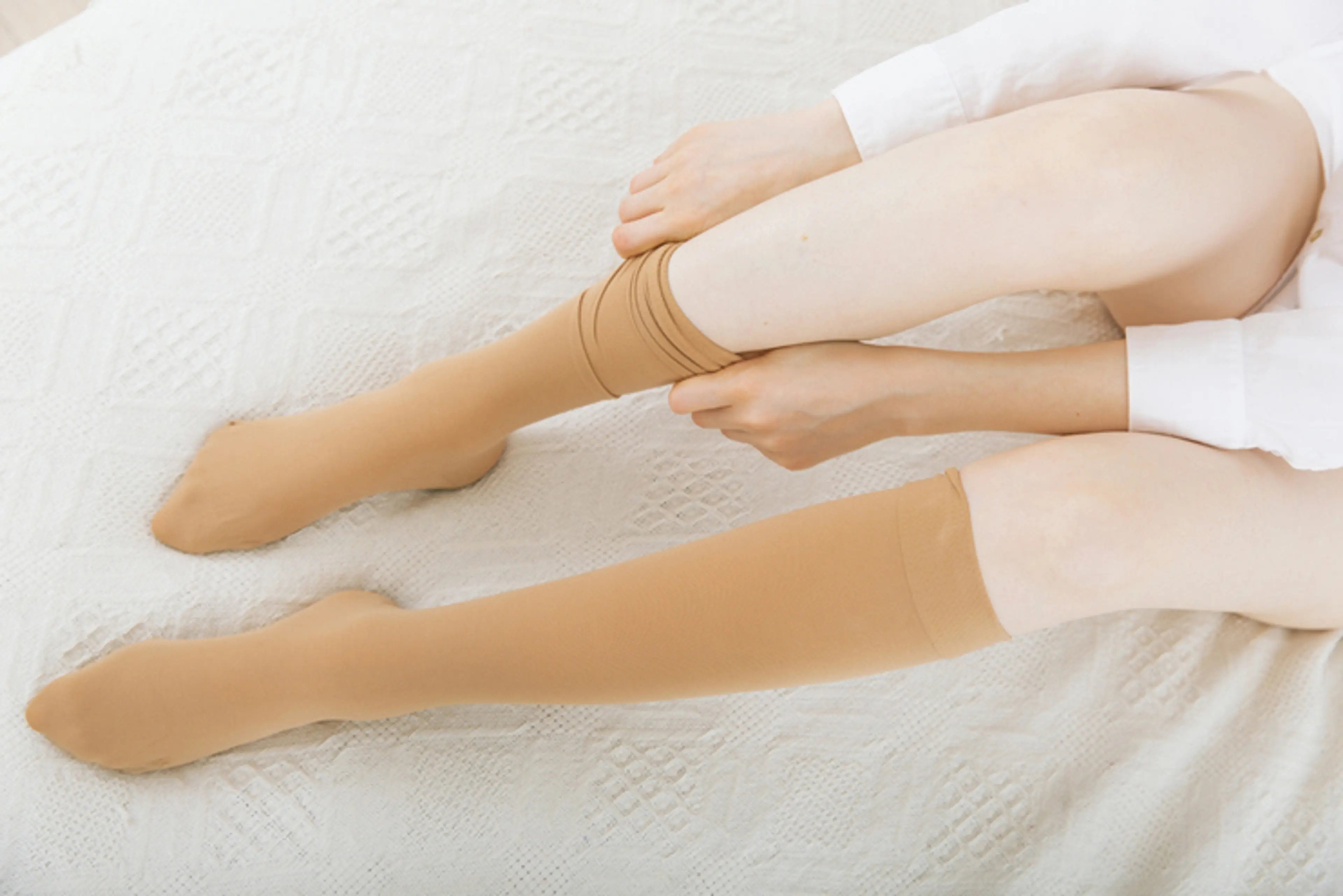
Patients often find them uncomfortable in summer, but even in Seoul’s hot weather, this step cannot be skipped. Think of compression stockings as your body’s personal “support system” during recovery.
Short, frequent walks (10–15 minutes every hour or two) encourage blood flow and prevent clot formation.
Avoid standing still for long periods, as this can worsen swelling.
Strenuous exercise, heavy lifting, or high-impact sports should wait until your doctor gives the green light — usually a couple of weeks.
Many of our patients are surprised at how quickly they can return to daily activities. In fact, one of the advantages of minimally invasive procedures like EVLA, RFA, and VenaSeal is that you can often resume normal life the very next day.
Mild bruising, tightness, or pulling sensations are common after surgery. These symptoms usually fade within days.
If pain feels unusually sharp, persistent, or is accompanied by swelling in the calf, it’s important to contact your doctor immediately — this could be a sign of deep vein thrombosis (rare, but serious).
Even though modern vein treatments are minimally invasive, tiny puncture sites are still present.
Avoid soaking in hot baths, saunas, or jjimjilbang (Korean bathhouses) until your doctor says it’s safe.
Any minor adhesive bandages should be changed as directed.
In Korea, where communal bath culture is strong, this advice often comes as a surprise — but it’s a vital part of preventing infection and protecting delicate healing tissue.
Healing timelines are different for everyone. Some patients feel almost normal within days, while others need a few weeks to fully adjust.
Pay attention to your body’s signals:
If your legs feel heavy, it might mean you need to walk more or elevate them.
If swelling persists, double-check your compression use.
If you notice hard lumps or cord-like areas under the skin, don’t panic — this is often a normal sign of the treated vein sealing off.
Though complications are rare, it’s important to know the red flags:
Sudden, severe pain in the leg.
Significant swelling in the calf or thigh.
Redness, warmth, or pus at the incision site.
Shortness of breath or chest pain (emergency — seek care immediately).
At Charm Vascular Clinic, we provide every patient with direct post-op instructions and follow-up visits to ensure nothing is overlooked.
The first few weeks are just the beginning. To protect your investment in your health and prevent recurrence:
Maintain a healthy weight to reduce pressure on your veins.
Stay active — daily walking, swimming, or cycling keeps circulation strong.
Avoid prolonged sitting or standing without movement.
Wear compression stockings for travel, especially long flights.
For patients in Korea, where many jobs involve long hours of sitting (office work) or standing (teaching, service industry), these habits are especially crucial.
If you’ve recently had varicose vein surgery, remember: the small steps you take immediately afterward — wearing compression stockings, walking regularly, caring for your skin, and listening to your body — are the keys to lasting relief and healthy, beautiful legs.