Introduction
what-to-expect-from-a-catheter-delivered-varicose-vein-treatmentIf you’ve ever stared at your legs and noticed veins bulging like winding tree roots beneath the skin, you know the mix of discomfort and unease varicose veins can bring. Many people in Korea and around the world live with the pain, heaviness, and cosmetic concerns these veins cause. The truth is, varicose veins are not just a cosmetic nuisance — they reflect deeper issues in blood circulation, known medically as chronic venous insufficiency.
The good news is that treatment has advanced far beyond the old days of invasive vein stripping surgery. Today, catheter-delivered techniques allow vascular surgeons to treat diseased veins quickly, safely, and with minimal downtime.
At Charm Vascular Clinic in Seoul, we specialize in these minimally invasive approaches, giving patients the relief they need without the stress of traditional surgery. But what exactly happens in a catheter-based procedure for varicose veins, and what can you expect before, during, and after treatment? Let’s walk through it step by step.
Why Catheter-Based Treatments Are Changing Vein Care
why-catheter-based-treatments-are-changing-vein-careFor many years, varicose vein treatment involved surgical removal — a method effective but often associated with long recovery, scarring, and discomfort. Vein stripping required general or spinal anesthesia, hospital admission, and weeks of recovery time. Understandably, many patients delayed treatment until their veins became severely painful or ulcerated.
Catheter-delivered treatments changed that story.
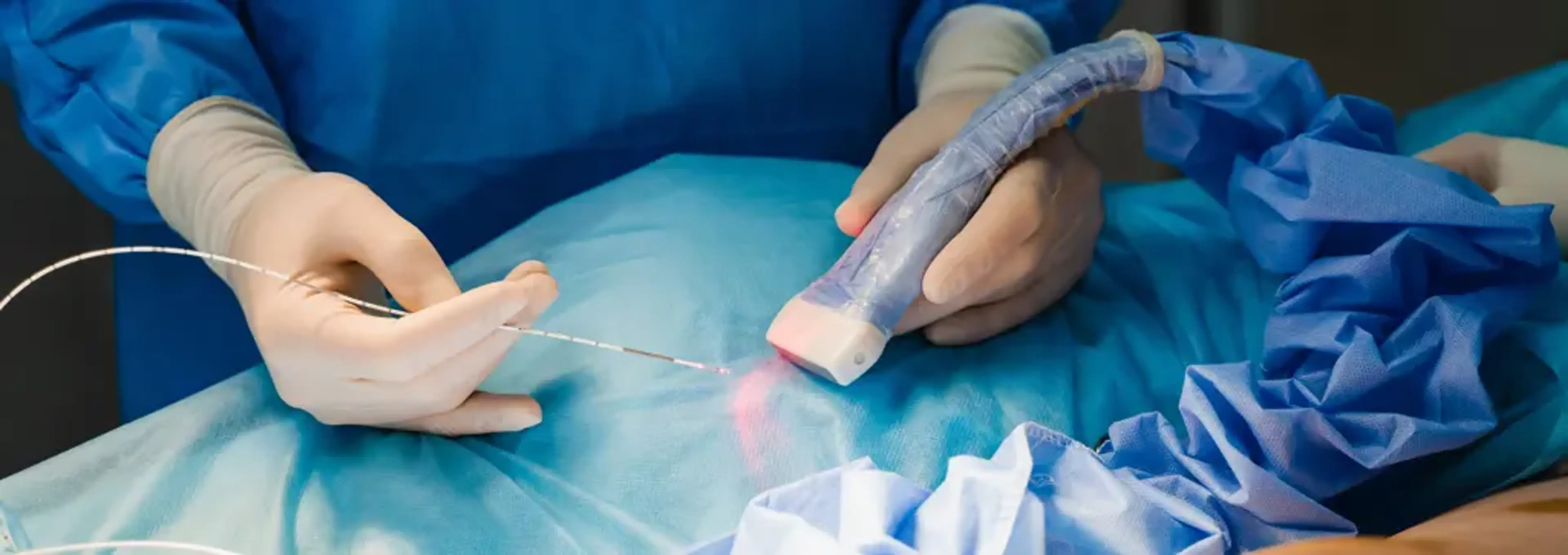
Here’s the idea in simple terms: instead of pulling out the diseased vein, we seal it shut from the inside. Using heat, medical glue, or radiofrequency energy, the catheter closes the vein so that blood naturally reroutes into healthy nearby veins. Over time, the treated vein shrinks and is reabsorbed by the body.
Patients often ask, “If the vein is sealed, where will the blood go?” This is where vascular anatomy works in our favor: the legs have an extensive network of veins, and the failing varicose veins are already inefficient. Once they are closed, blood flow improves because circulation is redirected into healthy, functional veins.
Clinical Success and Longevity
clinical-success-and-longevityStudies consistently show catheter-based treatments achieve closure rates of 90–98%, with long-term symptom relief for most patients. Recurrence rates are lower compared to traditional surgery, especially when performed with precise ultrasound guidance.
What patients often don’t realize is that blood flow improves almost immediately. The “traffic jam” in the leg veins clears, and circulation becomes smoother, reducing symptoms like swelling, heaviness, and pain.
The Main Catheter-Delivered Techniques
the-main-catheter-delivered-techniquesAt Charm Vascular Clinic, we offer several catheter-based treatments, each with its own advantages. Here’s how they compare:
Endovenous Laser Ablation (EVLA): Uses laser-generated heat to seal the vein. It is highly effective, especially for larger veins, and has been widely adopted worldwide for over two decades.
Radiofrequency Ablation (RFA): Uses radiofrequency energy to collapse the vein. It tends to cause less postoperative bruising and tenderness compared to EVLA, which makes it appealing for patients with lower pain tolerance.
VenaSeal™ Closure System: A medical-grade adhesive seals the vein without heat, eliminating the need for tumescent anesthesia. It allows patients to walk out of the clinic without compression stockings in many cases.
Each method has nuances. For example, EVLA and RFA require local anesthetic along the length of the vein to protect surrounding tissue from heat. VenaSeal™ avoids this step, which can mean fewer needle pricks and faster recovery. However, it comes with higher procedural costs that insurance may not always cover.
The choice depends on your vein anatomy, lifestyle, and medical history. For example, office workers who cannot afford downtime may lean toward VenaSeal™, while others with larger, tortuous veins may benefit from laser ablation. At Charm Vascular Clinic, Dr. Insoo Park tailors each treatment plan to the individual patient.
Before the Procedure: What Patients Should Know
before-the-procedure:-what-patients-should-knowPatients are often surprised by how straightforward the preparation is. Unlike major surgeries, there is no need for general anesthesia. Instead, most procedures are performed with local anesthesia or light sedation.
Pre-Treatment Steps
pre-treatment-stepsUltrasound Mapping: Your vascular surgeon uses ultrasound to “map out” the diseased veins. This step is critical — it ensures precision during catheter placement.
Medication Review: Some patients may be advised to pause certain medications, like blood thinners, to minimize risks.
Clothing and Comfort: Loose-fitting pants or skirts are recommended since the leg may be bandaged or wrapped after the procedure.
No Overnight Stay: The procedure is done in our outpatient clinic, and patients walk out the same day.
To be honest, the hardest part for many patients is not the procedure itself but simply deciding to seek help after years of tolerating symptoms. In Korean culture, many people “tough it out” and only seek treatment when the condition becomes visibly severe. But earlier intervention almost always leads to smoother results.
During the Procedure: Step-by-Step
during-the-procedure:-step-by-step
Here’s what actually happens on the day of treatment:
Local Anesthesia: The leg is numbed in the treatment area. For heat-based procedures like EVLA and RFA, we use a tumescent anesthesia solution to protect surrounding tissues.
Catheter Insertion: A thin catheter is inserted into the diseased vein using ultrasound guidance.
Energy or Adhesive Delivery: Depending on the chosen method, the vein is sealed shut with heat (laser or radiofrequency) or medical glue.
Immediate Circulation Shift: Blood reroutes instantly to healthier veins.
Completion in Under an Hour: Most procedures last 30–60 minutes.
Patients remain awake and comfortable, often chatting with the doctor or even listening to music during the procedure. Many are surprised by how little they actually feel — just mild pressure or warmth.
After the Procedure: Recovery and Results
after-the-procedure:-recovery-and-results
Recovery is one of the biggest advantages of catheter-based treatments. Instead of weeks of downtime, patients usually resume their normal activities the very next day.
What to Expect Afterward
what-to-expect-afterwardWalking Encouraged: Short walks immediately after the procedure help blood circulation.
Compression Stockings: Depending on the technique, compression stockings may be recommended for a week or two, especially with EVLA or RFA.
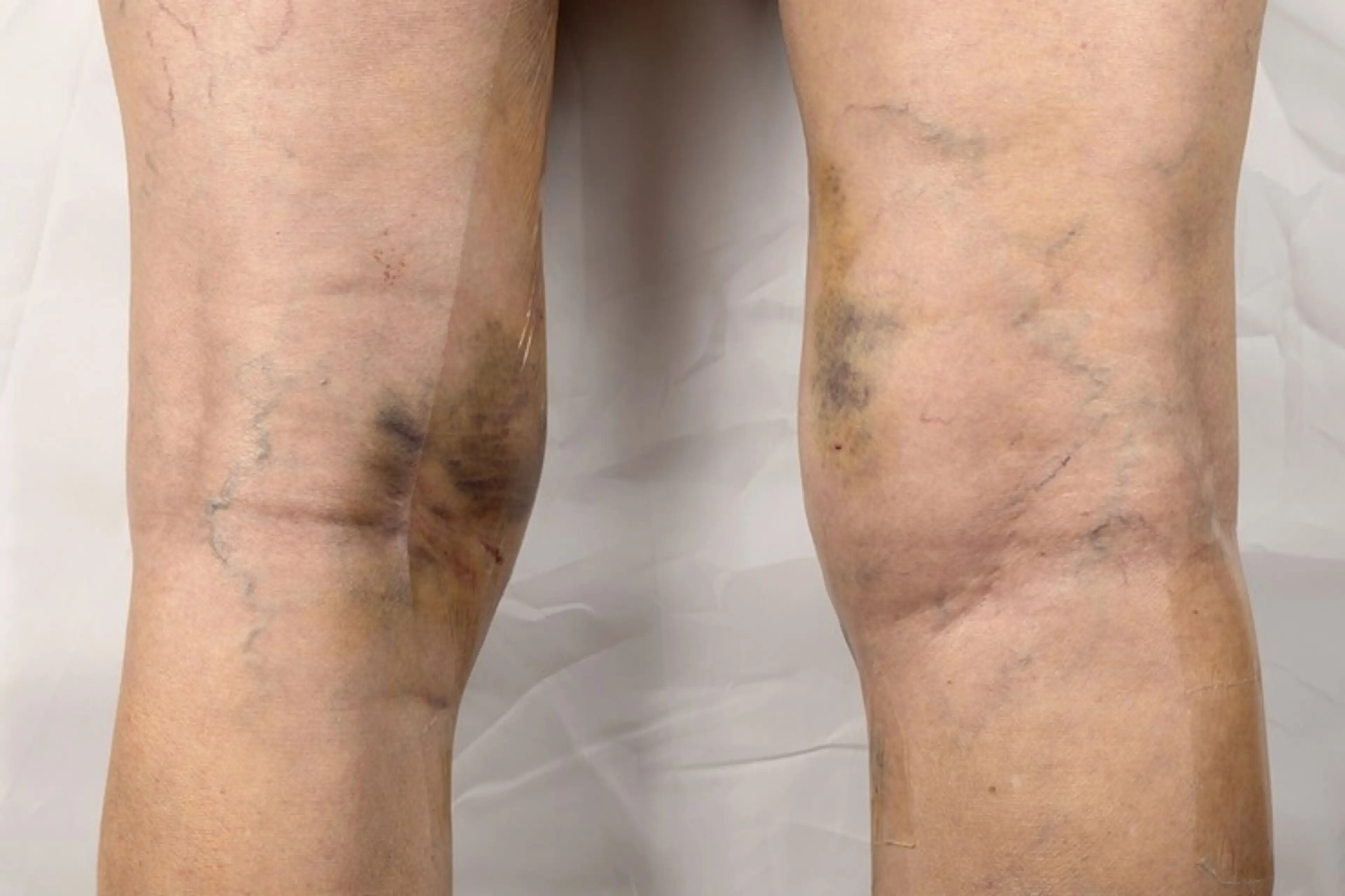
Mild Side Effects: Temporary bruising, tightness, or pulling sensations are common but resolve quickly.
Visible Results: Swelling and discomfort often improve within days, while visible veins fade gradually over weeks.
Most importantly, the improvement in leg heaviness and fatigue is something patients notice almost immediately. Many tell us, “My legs feel lighter than they have in years.”
Long-Term Results
long-term-resultsCatheter-based vein treatments provide long-lasting relief. With proper follow-up care and lifestyle adjustments — such as regular walking, weight management, and avoiding prolonged sitting or standing — most patients experience years of symptom-free living.
What People Often Overlook
what-people-often-overlookOne thing we emphasize at Charm Vascular Clinic is that treating varicose veins is not just about appearance. Left untreated, chronic venous insufficiency can lead to complications such as:
Skin discoloration around the ankle.
Stasis dermatitis (itchy, inflamed skin).
Lipodermatosclerosis (hardening of the skin and fat).
Venous ulcers that are painful and slow to heal.
These complications are far more difficult to treat than varicose veins themselves. Early intervention not only improves quality of life but also prevents long-term damage.
Another overlooked point: not all veins are suitable for catheter-based closure. A skilled vascular surgeon must evaluate vein size, location, and overall circulation. This is where experience matters. The precision of the ultrasound mapping and catheter placement often makes the difference between long-term success and recurrence.
Why Choose a Specialized Vascular Clinic
why-choose-a-specialized-vascular-clinicWhile many clinics offer cosmetic vein treatments, catheter-based therapies require advanced training and technology. At Charm Vascular Clinic, under the leadership of Dr. Insoo Park, our team focuses exclusively on vascular health. With extensive experience in EVLA, RFA, and VenaSeal™, we tailor treatment to each patient’s unique condition.
Patients appreciate not only the minimally invasive techniques but also the patient-first philosophy — ensuring comfort, safety, and long-term vascular health. What sets specialized vascular care apart is the combination of:
Technical expertise: Accurate ultrasound mapping and catheter control.
Comprehensive care: Evaluation of underlying venous insufficiency, not just visible veins.
Personalized guidance: Support on recovery, prevention, and lifestyle adjustments.
Final Thoughts
final-thoughtsIf you’re living with varicose veins, you don’t have to wait until they become unbearable. Catheter-delivered treatments provide a safe, minimally invasive way to restore comfort, confidence, and health.
At Charm Vascular Clinic in Gwanak-gu, Seoul, we help patients take the first step toward lighter, healthier legs with the latest catheter-based therapies.
👉 If you’ve been struggling with varicose veins, consider scheduling a consultation. Ask about Endovenous Laser Ablation, Radiofrequency Ablation, or VenaSeal™ — and discover which minimally invasive option is right for you.