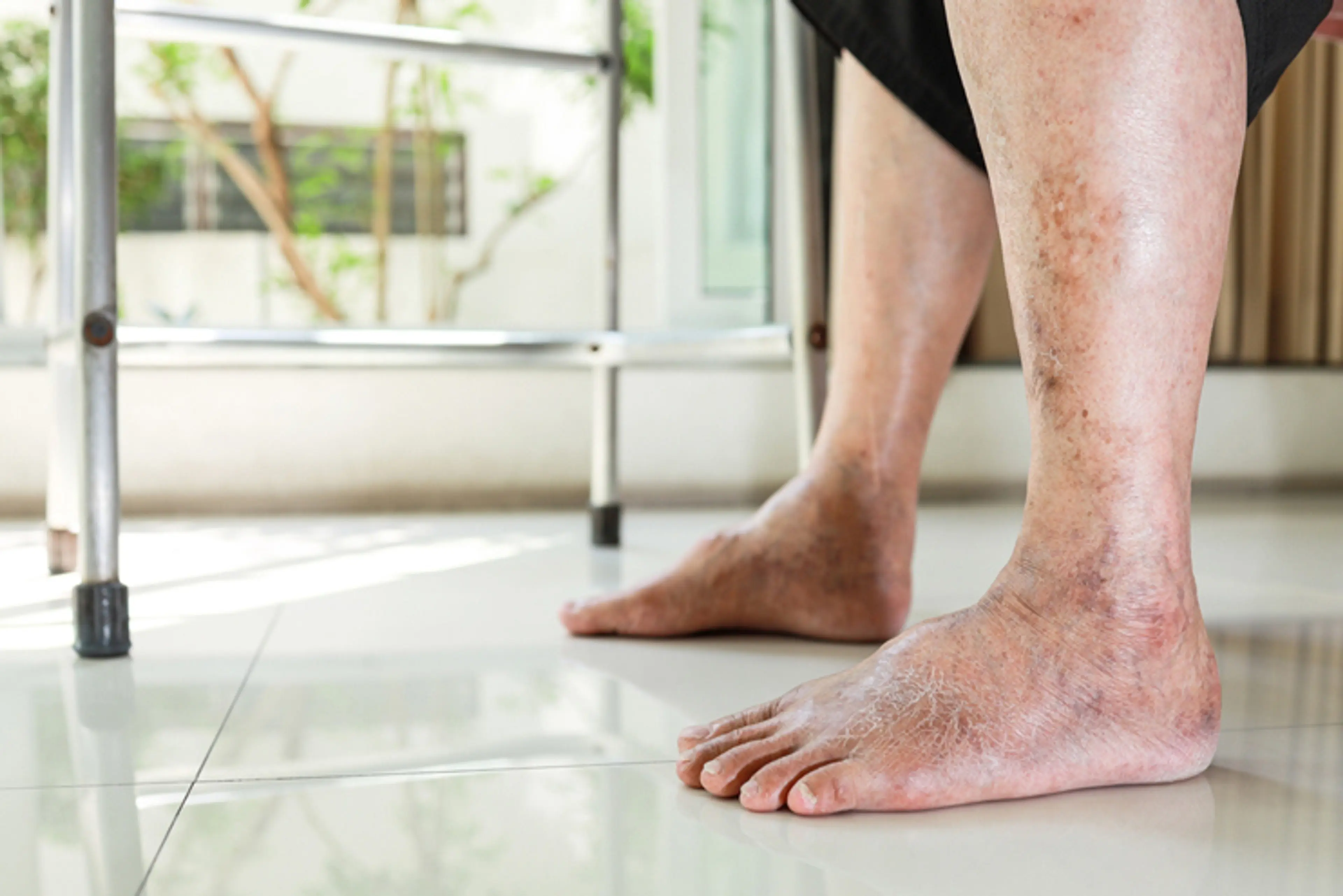
Most people brush off swollen legs as “just tired feet” or something that’ll go away after a good night’s rest. But what if your body is trying to tell you something more serious?
At Charm Vascular Clinic, we see this all the time. Patients come in thinking they just need to walk more or sit less — but in many cases, leg swelling is a sign of deeper circulatory issues. Sometimes it’s harmless. Sometimes, it’s the first whisper of a vascular condition that needs real attention.
Let’s unpack what leg swelling might really mean — and when it’s time to take it seriously.
First, What Is Leg Swelling, Really?
first-what-is-leg-swelling-reallyMedically, leg swelling is called peripheral edema. It happens when fluid builds up in the tissues of your lower limbs — especially around your ankles, feet, or calves. You might notice that your socks leave deep marks, or that your shoes feel tight by evening.
This fluid retention isn’t random. It’s often your veins, lymphatic system, or even your heart trying to compensate for a problem.
Why It Happens: Common — and Not-So-Common — Causes
why-it-happens:-common-and-not-so-common-causes1. Gravity + Lifestyle: The Everyday Swelling
1.-gravity-+-lifestyle:-the-everyday-swellingIf you’ve been standing all day (like many professionals in Seoul), gravity pulls blood and fluid toward your feet. Add in hot weather, salty meals, or a long commute — and swelling becomes more likely.
But this kind of swelling usually goes away overnight.
2. Chronic Venous Insufficiency (CVI): The “Hidden Engine”
2.-chronic-venous-insufficiency-(cvi):-the-"hidden-engine"Here’s something most people overlook: if your leg swelling is persistent — especially worse by evening and better by morning — you might be dealing with chronic venous insufficiency.
CVI happens when the valves in your leg veins don’t close properly. Blood pools instead of returning efficiently to your heart. Over time, this pressure causes veins to bulge (varicose veins) and fluid to leak into surrounding tissues — leading to swelling.
At Charm Vascular Clinic, CVI is one of the top reasons patients walk through our door. And they’re often shocked to find out that their fatigue, heaviness, or night cramps were all linked to venous disease.
3. Lymphedema: When the Lymph System Struggles
3.-lymphedema:-when-the-lymph-system-strugglesThis type of swelling doesn’t just go away with elevation. Lymphedema occurs when lymphatic fluid can’t drain properly, often due to prior surgery, cancer treatment, or genetic factors. It’s firmer, more chronic, and often starts at the feet and moves up.
We sometimes see patients who were misdiagnosed with simple varicose veins, when in fact, they were dealing with early-stage lymphedema — a different kind of problem requiring a different kind of care.
4. Heart, Kidney, or Liver Issues: Systemic Red Flags
4.-heart-kidney-or-liver-issues:-systemic-red-flagsIf both legs are swelling — especially with shortness of breath or weight gain — it may signal a more systemic issue like heart failure, kidney disease, or liver dysfunction. These conditions affect the body’s ability to regulate fluid, leading to noticeable swelling.
In these cases, vascular evaluation is just one part of the puzzle. We often collaborate with cardiologists or internists to get a full picture of what’s going on.
“But It Doesn’t Hurt” — Why That’s Not Always Reassuring
"but-it-doesn't-hurt"-why-that's-not-always-reassuringOne of the most dangerous myths is that if swelling isn’t painful, it’s harmless. In reality, some of the most serious conditions start off pain-free.
For example, deep vein thrombosis (DVT) — a blood clot in a deep leg vein — can cause swelling without significant pain at first. Left untreated, DVT can lead to life-threatening complications like pulmonary embolism.
That’s why at our clinic, we take leg swelling seriously, even when it seems “minor.”
How We Diagnose the Real Cause at Charm Vascular Clinic
how-we-diagnose-the-real-cause-at-charm-vascular-clinic
When a patient comes to us with leg swelling, we don’t just treat the symptom — we look for the root.
Here’s what we typically evaluate:
Duplex Ultrasound: A non-invasive scan that checks your vein function and blood flow.
Medical History: Recent surgeries, travel, pregnancy, or family history can all influence swelling.
Physical Exam: Skin changes, vein visibility, or symmetry give clues.
Advanced Imaging (if needed): CT or MRI to rule out deeper vascular problems.
This full-spectrum approach helps us understand whether your swelling is temporary — or a sign of something chronic that needs proper intervention.
Real Case from Our Clinic: A Hidden CVI Diagnosis
real-case-from-our-clinic:-a-hidden-cvi-diagnosisOne recent patient — a 45-year-old office worker — came to us thinking she just needed better shoes. Her legs had been swelling every evening for years. No pain, just “tired feet.”
After a quick ultrasound, we found that she had significant venous reflux in both legs — classic chronic venous insufficiency. With a 30-minute Endovenous Laser Ablation (EVLA) procedure, we treated the source of the problem. Within weeks, her swelling decreased, her sleep improved, and she no longer needed compression socks every day.
This is what many people don’t realize: effective, minimally invasive solutions exist — and they can change your quality of life completely.
What You Can Do — Starting Today
what-you-can-do-starting-today
If your legs swell occasionally after a long day, try these first:
Elevate your legs above heart level for 20 minutes.
Wear compression stockings during work or flights.
Cut back on salt and stay well-hydrated.
Move every 1–2 hours — even short walks help.
But if the swelling:
Persists for weeks
Gets worse with time
Affects one leg more than the other
Comes with heaviness, skin darkening, or visible veins
…it’s time to see a vascular specialist.
A Final Word: Don’t Ignore What Your Body’s Whispering
a-final-word:-don't-ignore-what-your-body's-whisperingYour legs carry you through life — don’t ignore their signals. Persistent swelling isn’t just about tired feet. It might be your body’s early alert system, warning you of a vascular condition that deserves attention.
At Charm Vascular Clinic in Seoul, we specialize in diagnosing and treating chronic venous issues using modern, non-surgical techniques like EVLA, Radiofrequency Ablation, and VenaSeal™.
If you’ve been struggling with swelling, discomfort, or visible veins, consider scheduling a consultation. Let us help you understand what your legs are really trying to tell you — and guide you toward lasting relief.