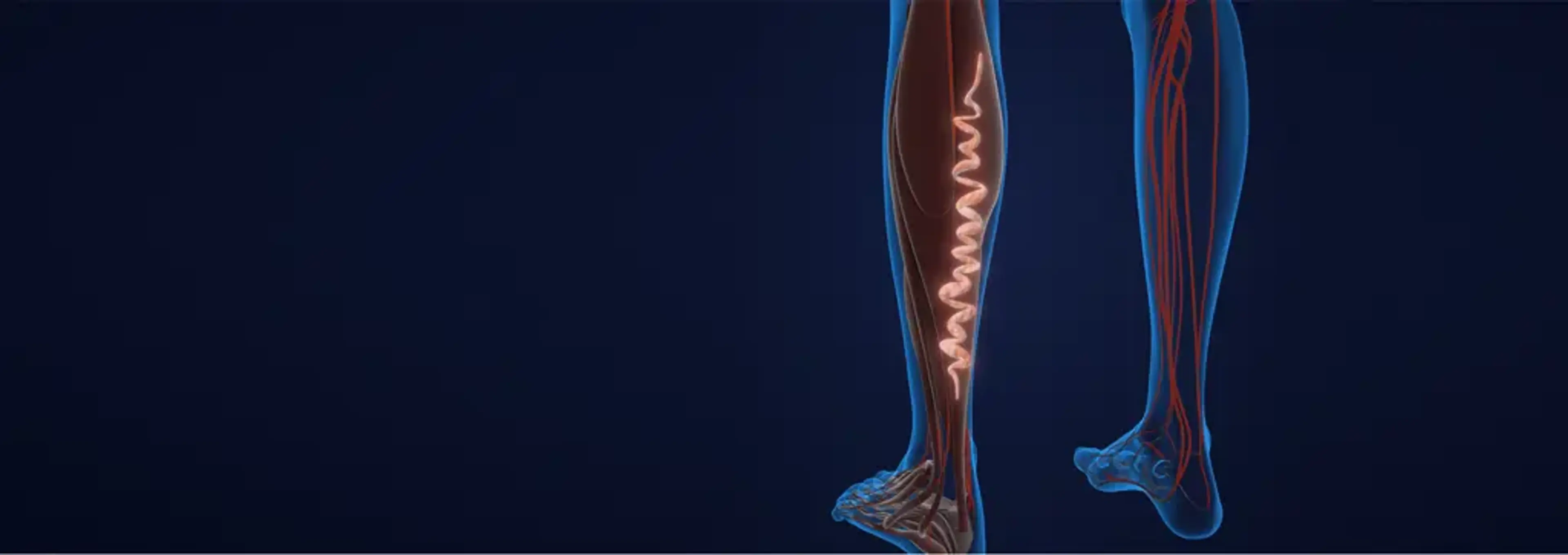
It’s 3 A.M. — Again
it's-3-a.m.-againYou wake up with a sudden, stabbing pain in your calf or foot. Your heart jumps. You stretch, you rub, you limp to the bathroom — anything to ease the cramp. Then it fades, leaving behind a dull ache and more questions than answers.
To most people, nighttime leg cramps feel like a harmless annoyance. “Drink more water,” friends say. “Maybe your mattress is too firm.” But if these cramps are becoming frequent — especially if they wake you multiple nights a week — they could be whispering something important about your vein health.
At Charm Vascular Clinic, we often meet patients whose leg cramps were the first sign of deeper vascular issues. Many come in believing their symptoms are “just aging” or “just muscle strain.” The real story, however, is often more complex — and far more treatable.
The Hidden Connection Between Cramps and Your Veins
the-hidden-connection-between-cramps-and-your-veinsWhen we talk about leg cramps, muscle fatigue or lack of electrolytes usually steals the spotlight. And yes — dehydration, potassium imbalance, and muscle overuse can cause cramps. But there’s another frequent, underrecognized cause: chronic venous insufficiency (CVI).
CVI happens when the veins in your legs fail to pump blood efficiently back toward your heart. Veins have tiny one‑way valves that prevent blood from flowing backward. When those valves weaken or fail, blood pools in the lower legs, increasing pressure in the vein walls and slowing circulation.
This pooling — called venous congestion — can irritate surrounding nerves and muscle tissue. When your muscles are starved of efficient oxygen delivery and waste clearance, they become more prone to spasms — especially at night when your body is trying to relax and repair.
Think of it like a river that has lost its flow: debris builds up, water stagnates, and the banks become swollen. Your legs are waterways, too — and when circulation backs up, the effects reach deeper than most people realize.
Why Vein Problems Cause Night Cramps
why-vein-problems-cause-night-crampsHere’s the essential mechanism: when you lie down at night, your body usually redistributes fluids. In people with healthy veins, this change relieves pressure in the legs. But if your venous valves aren’t functioning properly, the reprieve never comes. Instead, the pressure and pooling increase.
This buildup can lead to:
Muscle fatigue and tightening
Localized nerve irritation
Inflammation of surrounding tissues
Reduced microcirculation within muscle fibers
All of these contribute to the intense, involuntary contractions you know as cramps.
What many patients don’t realize is that night cramps often start long before any visible signs of vein disease — like bulging varicose veins or skin changes. Early symptoms can be subtle: an itchy stretch across your calf, a burning sensation after sitting, or a heavy, tired feeling by evening.
In our clinic, the number of patients who say, “I thought it was just dehydration or age” is staggering. They never suspected their veins were involved — until a vascular scan revealed otherwise.
Not All Leg Cramps Are Vascular — But Many Are
not-all-leg-cramps-are-vascular-but-many-areIt’s important to be precise here: not every leg cramp means you have vein disease. Cramps are common and can have a range of causes, including:
Intense exercise or overexertion
Electrolyte imbalances (low magnesium, potassium, or calcium)
Certain medications (like diuretics or statins)
Peripheral neuropathy (nerve damage from diabetes or other conditions)
Dehydration
Deficiencies in vitamins such as D or B12
Poor sleep posture
These are all legitimate and frequent causes. However, when leg cramps are frequent (multiple times per week), worsen at night, don’t respond to hydration or stretching, and are accompanied by other symptoms — then we begin to suspect venous insufficiency.
Signs that leg cramps may be vascular in origin include:
A feeling of heaviness or fullness in the legs
Swelling after prolonged sitting or standing
Aching that improves with walking
Restless legs at night
Visible veins that are twisted, bulging, or web‑like
Itching or burning sensations near the ankles
If you recognize these patterns, it’s not “just aging” — it’s a sign worth investigating.
The Cultural Blind Spot: “It’s Just Aging”
the-cultural-blind-spot:-"it's-just-aging"In Korea, there’s a deeply ingrained belief in putting up with discomfort as a normal part of aging — especially for issues that don’t seem urgent. Patients often shrug and say, “노화니까 어쩔 수 없죠” (“It’s just aging; nothing can be done”).
But let’s be clear: venous disease isn’t inevitable, and its symptoms are not something you simply have to “tolerate.” Early venous dysfunction doesn’t mean severe disease, and it doesn’t mean progressive decline. In fact, the earlier we diagnose and treat vein problems, the more effective the outcomes and the better the quality of life.
At Charm Vascular Clinic, we’ve seen people in their 30s and 40s with early signs of venous insufficiency — long before visible veins or severe symptoms — simply because they had a sedentary job, spent hours standing, or had a family history of vein disease. Their biggest regret? They waited too long.
How We Diagnose the Root Cause
how-we-diagnose-the-root-cause
The first step to understanding your cramps is clinical evaluation by a vascular specialist. At our clinic in Gwanak‑gu, Seoul, we start with a detailed medical history and exam. We listen: where do the cramps occur? When did they start? What makes them better or worse?
But the most telling tool we use is duplex ultrasound scanning — a non‑invasive imaging test that shows blood flow in real time. Unlike standard ultrasound, duplex scanning evaluates both the structure of the veins and the function of the valves.
This allows us to detect:
Reflux (backward blood flow)
Valve insufficiency
Deep venous obstruction
Hidden varicose veins beneath the skin
Poor microcirculation patterns
It’s painless, safe, and usually completed during the same visit.
Many patients arrive expecting a reassurance that “everything looks fine.” What we often find, however, is early venous dysfunction — sometimes before any visual signs appear. And once patients see their own scans, they understand their symptoms in a new light.
Treatment That Actually Works (Without Major Surgery)
treatment-that-actually-works-(without-major-surgery)If venous insufficiency is contributing to your nighttime cramps, you don’t have to accept decades of discomfort — and you certainly don’t have to undergo traditional open surgery.
Modern vascular medicine has shifted toward minimally invasive, outpatient procedures that target the malfunctioning veins without significant downtime or scarring.
Here are some options commonly used at Charm Vascular Clinic:
Endovenous Laser Ablation (EVLA)
endovenous-laser-ablation-(evla)A thin laser fiber is inserted into the affected vein and heated to gently close it from the inside. The body naturally reroutes blood flow to healthy veins. Most patients feel only mild discomfort and return to normal activities quickly.
Radiofrequency Ablation (RFA)
radiofrequency-ablation-(rfa)Using controlled radiofrequency energy, this method also seals faulty veins with precision. It’s quick, well‑tolerated, and highly effective for many forms of venous reflux.
VenaSeal™
venasealtmInstead of heat, this technique uses a medical adhesive to close the vein. It’s especially helpful for patients who may not tolerate heat‑based therapies. There’s minimal bruising and almost no recovery period.
Sclerotherapy
sclerotherapy
For smaller visible veins and spider veins, a specialized solution is injected to collapse and shrink them. Over time, the body absorbs the treated veins, and symptoms improve.
These treatments focus on the root cause — the faulty vein — not just the symptoms. In many cases, patients not only experience fewer cramps, but also notice reduced swelling, less heaviness, and better overall leg comfort.
What We’ve Learned from Our Patients
what-we've-learned-from-our-patientsHere’s something we rarely say online but is absolutely true: night cramps are often the tipping point — the moment when patients finally seek help.
Many have lived with leg discomfort for years. They compensated, ignored it, or chalked it up to stress or aging. Then the cramps started waking them up at night. Suddenly, it wasn’t just “annoying” — it was affecting sleep, mood, and daily stamina.
One patient shared:
“I thought I was just getting older. I’d lie there and think, ‘This will stop eventually.’ But after treatment, I slept through the night for the first time in months. I didn’t realize how much it was affecting my daily life until the cramps were gone.”
This is not an isolated story — it’s a pattern we see every week.
When to See a Specialist
when-to-see-a-specialistYou don’t have to wait until symptoms are severe. Consider seeking evaluation if:
Leg cramps occur more than twice a week
Cramps are especially bad at night
You feel heaviness, swelling, or itching
You have visible veins that are bulging or twisted
Symptoms persist despite hydration, stretching, or lifestyle changes
You have a family history of vein disease
Vein problems can be subtle in the beginning, but early diagnosis makes treatment simpler and more effective.
Take the Next Step Toward Relief
take-the-next-step-toward-reliefNighttime leg cramps aren’t just annoying — they can be a meaningful sign from your body about your vascular health. Rather than dismissing them as “normal aging” or poor posture, it’s worth paying attention.
If cramps are frequent, disruptive, or accompanied by other symptoms, don’t ignore them. Vein-related pain and dysfunction are common, but they’re also highly treatable — especially when caught early.
At Charm Vascular Clinic in Seoul, we offer comprehensive vascular assessments and personalized treatment plans. Our approach blends the latest minimally invasive techniques with compassionate, patient‑centered care.
If you’re dealing with persistent leg cramps at night, consider a vascular evaluation. Understanding the true cause could lead you not only to relief — but to better sleep, improved circulation, and healthier legs for years to come.