🌱 The Big Shift: From Heat to Non‑Thermal, Non‑Tumescent Vein Treatments
the-big-shift:-from-heat-to-nonthermal-nontumescent-vein-treatmentsFor years, the gold standard for treating varicose veins and chronic venous insufficiency was thermal ablation — procedures like Endovenous Laser Ablation (EVLA) and Radiofrequency Ablation (RFA). These techniques use focused heat to collapse diseased veins, sealing them off so that blood naturally reroutes to healthier vessels.
While highly effective, thermal techniques require tumescent anesthesia — multiple injections of fluid around the vein — to prevent damage to nearby tissues. This can be uncomfortable for patients and slightly increases the risk of side effects like nerve irritation, bruising, and swelling.
But medicine evolves — and in recent years, a new class of treatments has emerged:
Non-thermal, non-tumescent (NTNT) vein therapies.
These approaches close problem veins without heat and often without the need for tumescent anesthesia. The result?
Less discomfort during and after the procedure
Shorter procedure times
Lower risk of complications
Faster return to daily life
At advanced centers like Charm Vascular Clinic in Seoul, these innovations have already transformed the way we approach venous disease. Patients want treatments that are not only effective, but also gentle, efficient, and tailored to their individual lifestyle — and that’s exactly what these new methods provide.
💡 What’s New in Non‑Thermal Vein Technology
what's-new-in-nonthermal-vein-technology🔹 VenaSeal™ — Medical Adhesive Closure System
venasealtm-medical-adhesive-closure-systemAmong the most groundbreaking NTNT options is VenaSeal™, a system that uses a medical-grade cyanoacrylate adhesive to permanently seal off diseased veins.
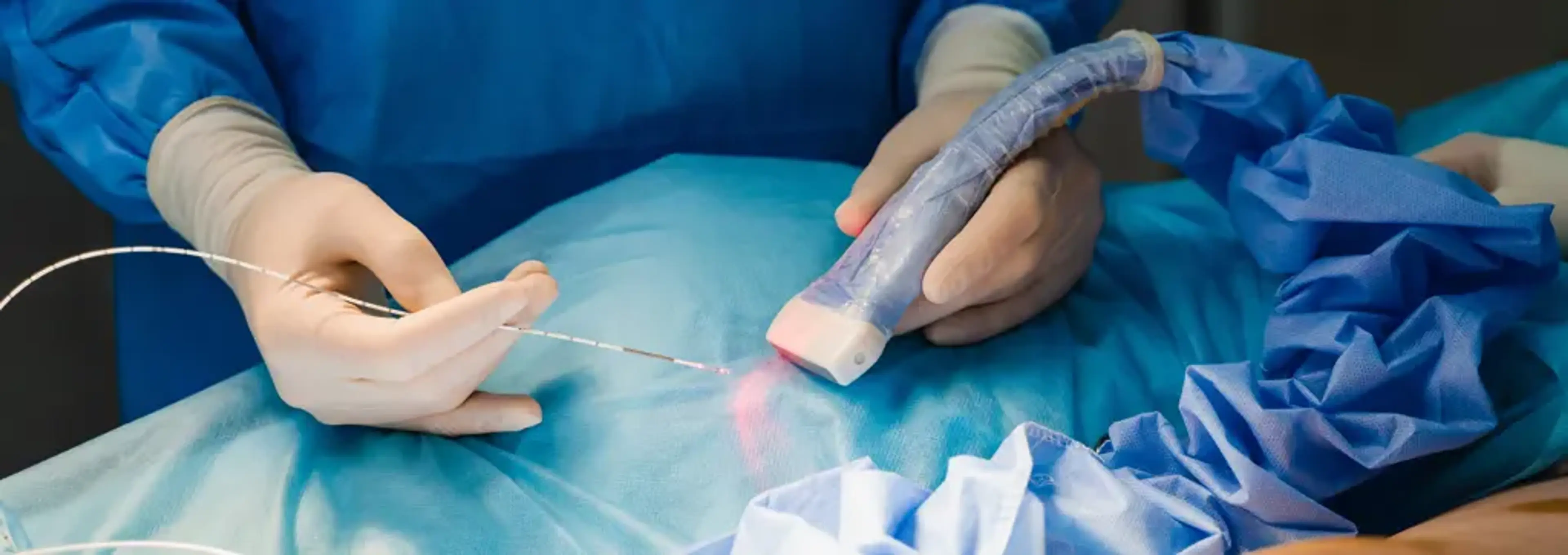
The procedure involves inserting a slender catheter into the affected vein under ultrasound guidance. As the catheter is slowly withdrawn, small drops of adhesive are delivered at precise intervals, effectively sealing the vein shut. The body then reroutes blood flow to healthier veins, and the sealed vein is gradually absorbed over time.
Why VenaSeal™ Stands Out:
why-venasealtm-stands-out:No heat or tumescent anesthesia required
Only a single needle puncture for catheter access
Minimal bruising or swelling
Immediate return to normal activity — many patients leave the clinic and resume walking, commuting, or working the same day
No need for compression stockings after the procedure in many cases
What’s often overlooked is the psychological ease that comes with VenaSeal. Patients who feel anxious about needles or local anesthetic injections often describe this method as "surprisingly relaxing." And for those with busy schedules — especially professionals, travelers, or parents — the fast recovery time is a clear advantage.
Clinically, VenaSeal has demonstrated closure rates comparable to EVLA and RFA, with durable results lasting years.
🔹 MOCA (Mechanochemical Ablation) — ClariVein® and Similar Systems
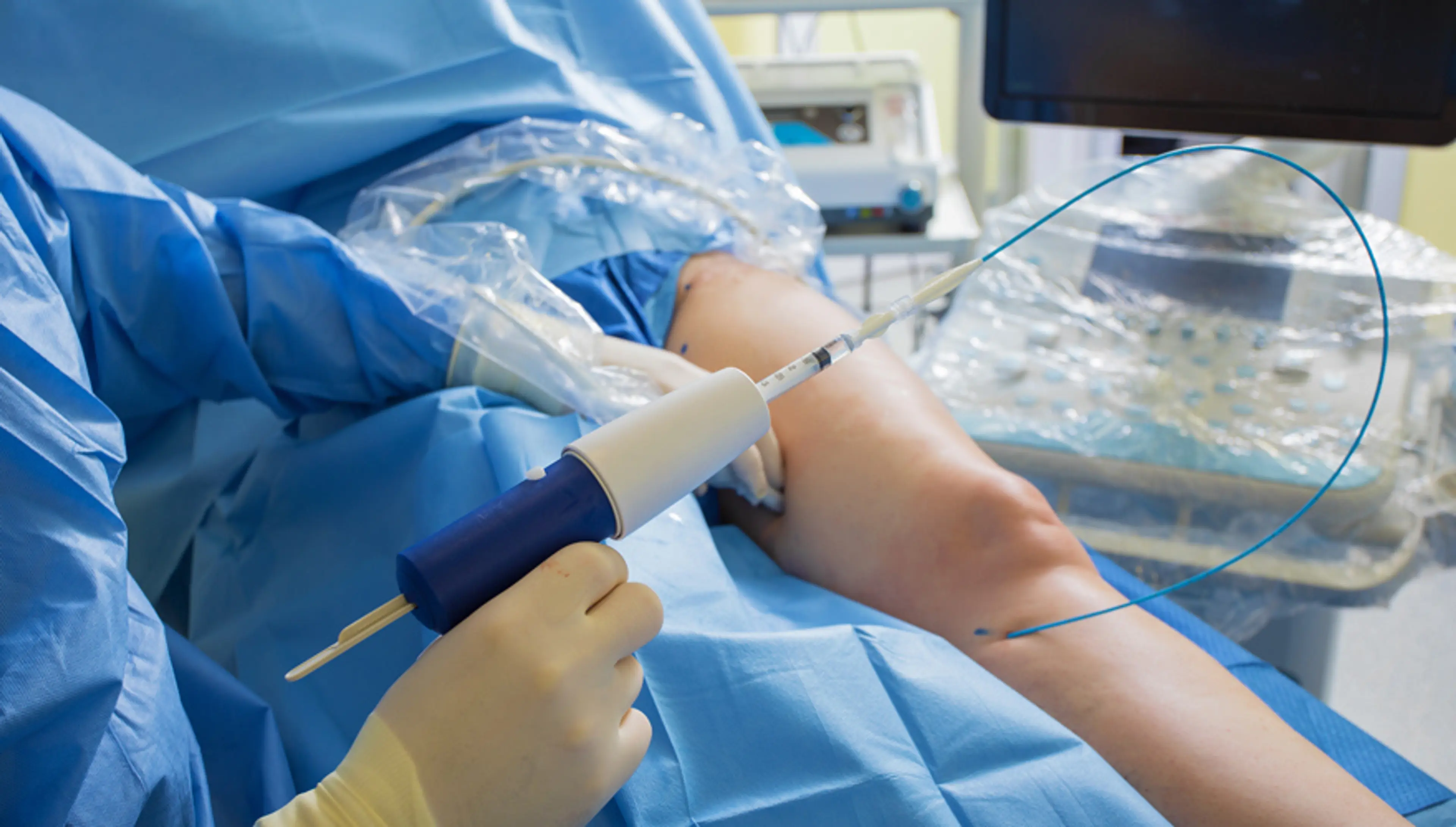
moca-(mechanochemical-ablation)-clarivein(r)-and-similar-systemsMechanochemical ablation is another NTNT innovation. Devices like ClariVein® combine two mechanisms in one procedure:
Mechanical action: A rotating wire disrupts the inner lining of the vein.
Chemical action: A sclerosant solution is simultaneously delivered to induce vein closure.
Because no heat is involved, MOCA procedures don’t require tumescent anesthesia, and they’re often completed in under 30 minutes.
Benefits of Mechanochemical Ablation:
benefits-of-mechanochemical-ablation:No thermal energy → lower risk of skin burns or nerve damage
Minimally invasive → just a small catheter insertion
Excellent outcomes for straight veins like the great saphenous vein (GSV)
Ideal for patients with a low pain tolerance or needle sensitivity
Quick recovery with minimal post-op restrictions
This technique is especially useful when treating veins that are close to nerve bundles, such as those around the knee or ankle, where heat-based methods can pose risks. And because it's virtually painless, many patients find they can avoid the anxiety or downtime associated with other treatments.
🔹 Foam and Microfoam Sclerotherapy
foam-and-microfoam-sclerotherapy
Sclerotherapy has long been used for treating spider veins, but modern foam-based techniques have expanded its role in managing more significant venous insufficiency.
In foam sclerotherapy, the sclerosant (vein-closing medication) is turned into a foam before being injected. This foam spreads easily and remains in contact with the vein wall longer than liquid agents, improving its effectiveness.
Today, ultrasound-guided foam sclerotherapy is a powerful tool for treating:
Small to medium varicose veins
Recurrent varicose veins after previous treatments
Accessory or perforator veins that connect surface and deep venous systems
Why Foam Techniques Still Matter:
why-foam-techniques-still-matter:Non-surgical and needle-based
Useful for complex or branching vein networks
Can be done quickly in-office with minimal prep
Often used in combination with other treatments for a comprehensive approach
Foam sclerotherapy remains one of the most flexible tools in a vascular surgeon’s toolkit, and its role continues to grow with new formulations and delivery methods.
🔍 Innovations Behind the Scenes
innovations-behind-the-scenesAI-Assisted Imaging & Personalized Planning
ai-assisted-imaging-and-personalized-planningTechnology isn’t just changing how we treat veins — it’s transforming how we diagnose and map venous disease.
AI-powered ultrasound systems are starting to assist vascular specialists in analyzing reflux patterns, vein diameters, and flow abnormalities. By layering machine intelligence on top of human expertise, doctors can:
Improve precision in catheter placement
Customize treatment for each vein segment
Detect subtle patterns that might be missed in manual interpretation
At Charm Vascular Clinic, we believe this kind of tailored, data-driven care is key to optimizing outcomes — especially in patients with complex or recurrent vein issues.
Robotic Guidance & Advanced Navigation
robotic-guidance-and-advanced-navigationWhile still in early clinical stages, robotic systems are being developed to assist with precise catheter navigation during endovenous procedures. These tools aim to:
Enhance stability and accuracy
Reduce radiation exposure (from fluoroscopy)
Allow for even more consistent results in anatomically challenging cases
Though not yet mainstream, robotic systems represent the cutting edge of vascular intervention safety and efficiency.
Biologic & Nano-Scale Therapies (In Development)
biologic-and-nano-scale-therapies-(in-development)Looking further into the future, research is exploring nano-delivery systems and biologic agents that could:
Regenerate damaged vein walls
Repair malfunctioning valves
Deliver medication precisely to reflux-prone vein segments
These aren’t yet available in clinical practice — but they signal a future where vein disease is treated at the cellular level, not just mechanically closed.
🧠 Why Non‑Thermal Options Matter — A Patient’s Perspective
why-nonthermal-options-matter-a-patient's-perspective
For many patients, the biggest concerns about vein treatment are:
Will it hurt? Will I need to take time off work? Will I be able to walk normally afterward?
Non-thermal techniques answer these questions with reassuring clarity:
✅ Less Pain and Anxiety
less-pain-and-anxietyWithout heat or multiple anesthesia injections, these treatments are gentler. Some patients say they felt “nothing at all” during procedures like VenaSeal or MOCA.
✅ Lower Risk of Nerve Injury
lower-risk-of-nerve-injuryThermal ablation can sometimes affect nearby nerves, especially in anatomically sensitive areas. Non-thermal options significantly reduce this risk.
✅ Shorter Recovery
shorter-recoveryPatients typically walk immediately after the procedure. In fact, walking is encouraged to promote healthy blood flow and healing.
✅ Suitable for More People
suitable-for-more-peopleSome individuals — such as those with needle phobia, anatomical variations, or prior nerve sensitivity — may not be good candidates for thermal ablation. NTNT options offer a safe, effective alternative.
From a doctor’s perspective, these newer techniques give us the tools to treat more people — safely, comfortably, and with fewer complications.
🔚 What’s the Takeaway?
what's-the-takeawayVein care has entered a new era — one that favors comfort, convenience, and cutting-edge precision. Non-thermal treatments like VenaSeal™, MOCA, and modern foam sclerotherapy have made it possible to close problematic veins without the discomfort of traditional thermal ablation.
At Charm Vascular Clinic in Seoul, we specialize in helping patients navigate these choices with clarity and confidence. Dr. Insoo Park and our expert team provide a personalized treatment plan based on your symptoms, vein anatomy, and lifestyle — whether that means VenaSeal, mechanochemical ablation, or a combination of approaches.
If you’ve been struggling with leg pain, heaviness, or visible varicose veins, you don’t need to live with the discomfort — or settle for outdated treatments.
Ask your doctor about the newest non-thermal options, or schedule a consultation with a clinic experienced in advanced, minimally invasive vein care like Charm Vascular Clinic.
You deserve a treatment plan that’s not just effective — but also comfortable, fast, and built around you.