Why Your Veins Matter More Than You Think
why-your-veins-matter-more-than-you-thinkIn Korea, we often associate health with glowing skin or a strong heart — but few of us consider our veins until something goes wrong. That subtle swelling in your ankles after a long day? Or the heaviness you feel in your legs after standing too long? These are your veins quietly waving a red flag.
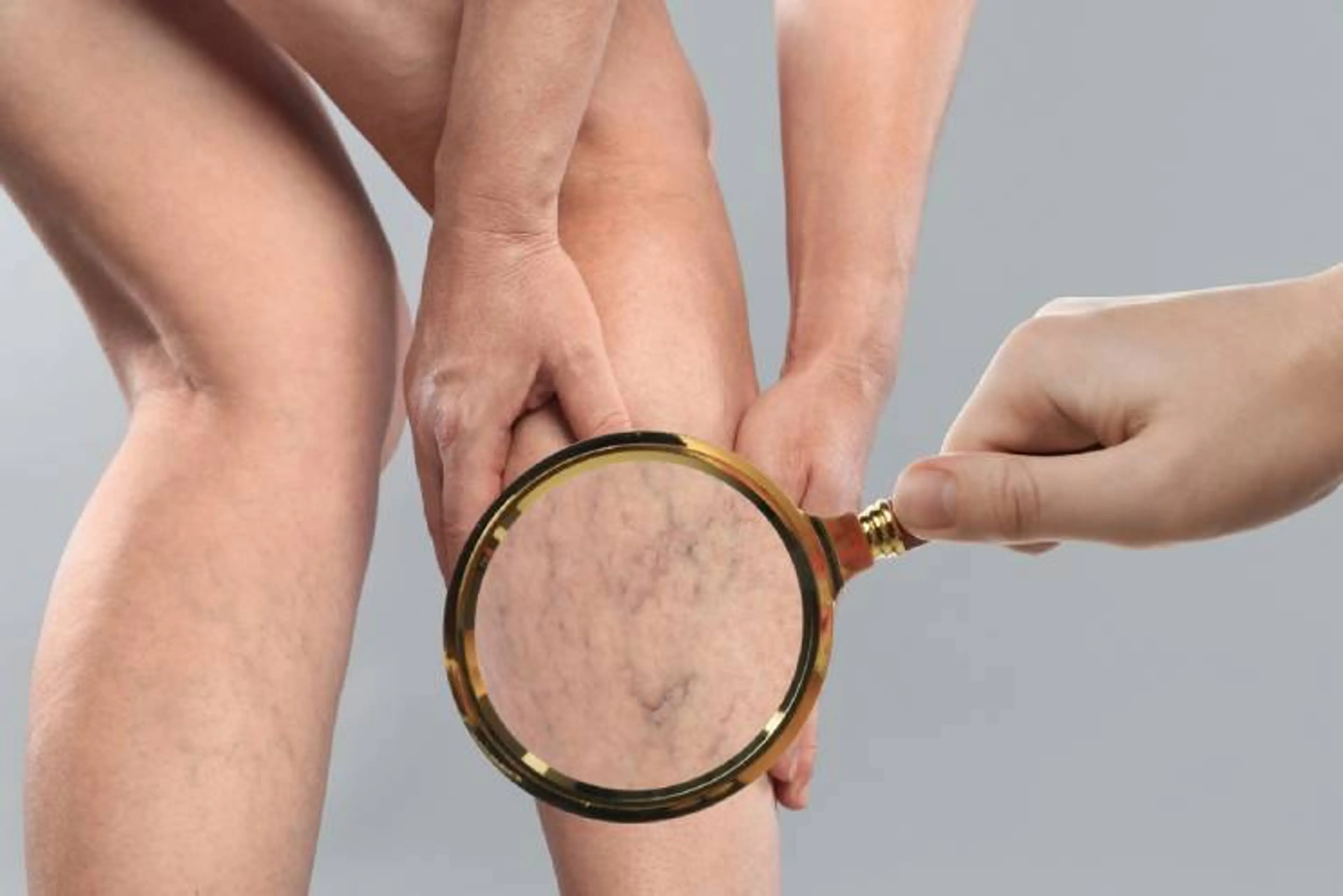
Your veins are responsible for carrying blood back to your heart — against gravity. When they weaken or the valves inside them fail, blood can pool in your legs. Over time, this leads to swelling, varicose veins, skin changes, and in more advanced cases, chronic venous insufficiency (CVI) — a condition where the veins can no longer efficiently return blood to the heart.
At Charm Vascular Clinic in Seoul, we see this every day: healthy, active adults — even in their 30s — struggling with leg swelling they never expected. Often, they thought it was just part of aging, or due to “standing too much.” But these early signs are your body asking for help. The good news? It’s preventable — and treatable with the right care.
What Causes Vein Problems and Swelling in the First Place?
what-causes-vein-problems-and-swelling-in-the-first-placeMost swelling (or edema) and vein-related discomfort stem from poor venous circulation. But what weakens your circulation?
Here are the top culprits:
Prolonged sitting or standing: Common in Korean office workers, teachers, hair stylists, and baristas — this traps blood in the lower legs.
Lack of movement: Inactive calf muscles don’t pump blood upward effectively, especially during long commutes or desk hours.
Pregnancy and hormonal shifts: Increased blood volume and pressure on the pelvic veins, plus hormonal changes that relax vein walls.
Aging and genetics: As we age, vein walls and valves lose elasticity. If your parents had varicose veins, you’re more likely to develop them.
Obesity: Extra body weight increases pressure on lower body veins, leading to faster valve damage.
Hot weather: Korea’s humid summers can worsen leg swelling, as veins dilate in the heat.
What people often overlook is this: swelling doesn’t always mean something is broken. It’s often the first warning sign — a gentle one — that your veins are under stress.
So, What’s the Best Way to Care for Your Veins?
so-what's-the-best-way-to-care-for-your-veinsThe best vein care is daily, gentle, and sustainable — not dramatic overhauls. Here's what actually works, based on both clinical insight and real patient experience.
1. Move Like Your Circulation Depends on It (Because It Does)
1.-move-like-your-circulation-depends-on-it-(because-it-does)Regular movement is the most powerful, natural way to protect your veins. At Charm Vascular Clinic, we often recommend what we call “calf heart activation.” Think of your calf muscles as a second heart that helps push blood upward.
When you move, your calf muscles squeeze the deep veins, pushing blood toward the heart and preventing it from pooling.
Daily circulation-boosting tips:
Take a 5-minute walk every hour — even in a small office.
Use sit-stand desks or take standing breaks during meetings.
Try simple calf exercises like:
If you commute long hours on the subway or bus, flex your ankles up and down regularly.
Even small changes, repeated consistently, can radically improve circulation and prevent fluid buildup in the legs.
2. Elevate Your Legs – Especially in the Evening
2.-elevate-your-legs-especially-in-the-eveningAfter a long day, gravity takes its toll. Veins in the lower legs work harder to move blood upward — especially if you're standing all day. Elevating your legs above heart level helps counteract this pressure and encourages venous return.
Try this:
Lie flat on your back with your legs resting on a few pillows or up against a wall.
Keep them elevated for 15–30 minutes in the evening.
Combine it with breathing exercises or meditation to relax your nervous system — stress also affects circulation.
At-home care tip from our clinic:
Many patients who do this nightly report improved sleep, reduced cramping, and lighter-feeling legs in the morning.
3. Wear Compression Stockings — the Right Way
3.-wear-compression-stockings-the-right-way
Compression stockings aren’t just for elderly patients or post-surgical recovery. They’re a proven method of improving venous return, reducing swelling, and preventing the progression of varicose veins and CVI.
But they only work if worn properly — and many people give up too early.
Key guidelines:
Choose graduated compression stockings with 15–20 mmHg pressure for daily use.
Wear them first thing in the morning, before swelling begins.
They should feel snug but not painful.
Medical-grade brands like Sigvaris or Jobst offer better quality and fit.
Replace every 3–6 months — fabric elasticity wears down with time.
If you're unsure which type is right, Charm Vascular Clinic provides personalized fittings and prescription-grade options for your condition and lifestyle.
4. Maintain a Healthy Weight and Blood Pressure
4.-maintain-a-healthy-weight-and-blood-pressureYour veins are like flexible pipes. The more internal pressure they endure, the more they dilate — and the more the one-way valves inside them begin to weaken.
Extra weight compresses the pelvic veins and increases venous pressure in the legs. High blood pressure can also damage the small vessels, exacerbating circulation problems.
Modest goals go a long way:
Cultural context: In Korean diets, high-sodium foods like kimchi, ramen, and jjigae are common. While delicious, excessive sodium can contribute to fluid retention. Hydration and moderation are key.
5. Hydrate and Limit Salt
5.-hydrate-and-limit-saltBlood is mostly water. When you're dehydrated, it becomes thicker and moves more slowly through the veins. That makes your circulatory system work harder and contributes to swelling.
Likewise, too much salt encourages your body to hold on to fluid, especially in the lower extremities.
Tips for everyday balance:
Drink at least 1.5–2 liters of water daily — more during hot Korean summers or after sauna sessions.
Opt for low-sodium versions of traditional Korean foods when possible.
Eat potassium-rich foods like bananas, spinach, and sweet potatoes — they help balance sodium and support vascular tone.
Think of hydration as lubrication for your veins — it keeps everything flowing smoothly.
6. Know When It’s Time to Get Medical Help
6.-know-when-it's-time-to-get-medical-helpHere’s a truth we don’t talk about enough:
Not all swelling is harmless. And not all varicose veins are cosmetic.
If you notice:
Swelling in only one leg (especially sudden) — this could signal a blood clot.
Skin discoloration, brown patches, or dryness around the ankle — early signs of CVI.
Itching, aching, or burning near visible veins.
Open wounds or ulcers on the lower leg — these are signs of advanced venous disease.
This is where a vascular clinic makes a difference.
At Charm Vascular Clinic, we use duplex ultrasound to evaluate the condition of your superficial and deep veins in real time. This painless scan helps us identify valve dysfunction, reflux, or potential clots — all in under 30 minutes.
Depending on the findings, we may recommend minimally invasive treatments such as:
Endovenous Laser Ablation (EVLA): A safe and effective laser-based closure of faulty veins.
Radiofrequency Ablation (RFA): Uses thermal energy to close problem veins with minimal recovery time.
VenaSeal™: A medical adhesive system that seals off diseased veins with no heat or anesthesia required.
All of these options are walk-in, walk-out procedures — no general anesthesia, no stitches, and no hospital stay required.
What Real Vein Health Looks Like
what-real-vein-health-looks-like
True vein health isn’t about avoiding discomfort once it starts — it’s about building daily habits that prevent swelling before it begins.
It’s the teacher who stretches her calves between classes.
The office worker who walks during lunch.
The retiree who wears compression socks on the subway.
And the patient who finally chose to treat their varicose veins — not because they looked bad, but because they wanted to feel light on their feet again.
At Charm Vascular Clinic, we believe that the small, consistent things matter — and that treating venous issues early can spare you years of discomfort and risk.
Final Thought: Your Legs Deserve Daily Care
final-thought:-your-legs-deserve-daily-careVein issues develop quietly, over years. But with gentle daily care — and the right support when needed — you can keep your circulation strong for life.
If you’ve been struggling with swollen legs, heaviness, or visible veins, don’t ignore it.
Visit a clinic like Charm Vascular Clinic for a personalized vein health checkup and treatment plan. You don’t need to live with discomfort — and you don’t need surgery to fix it.