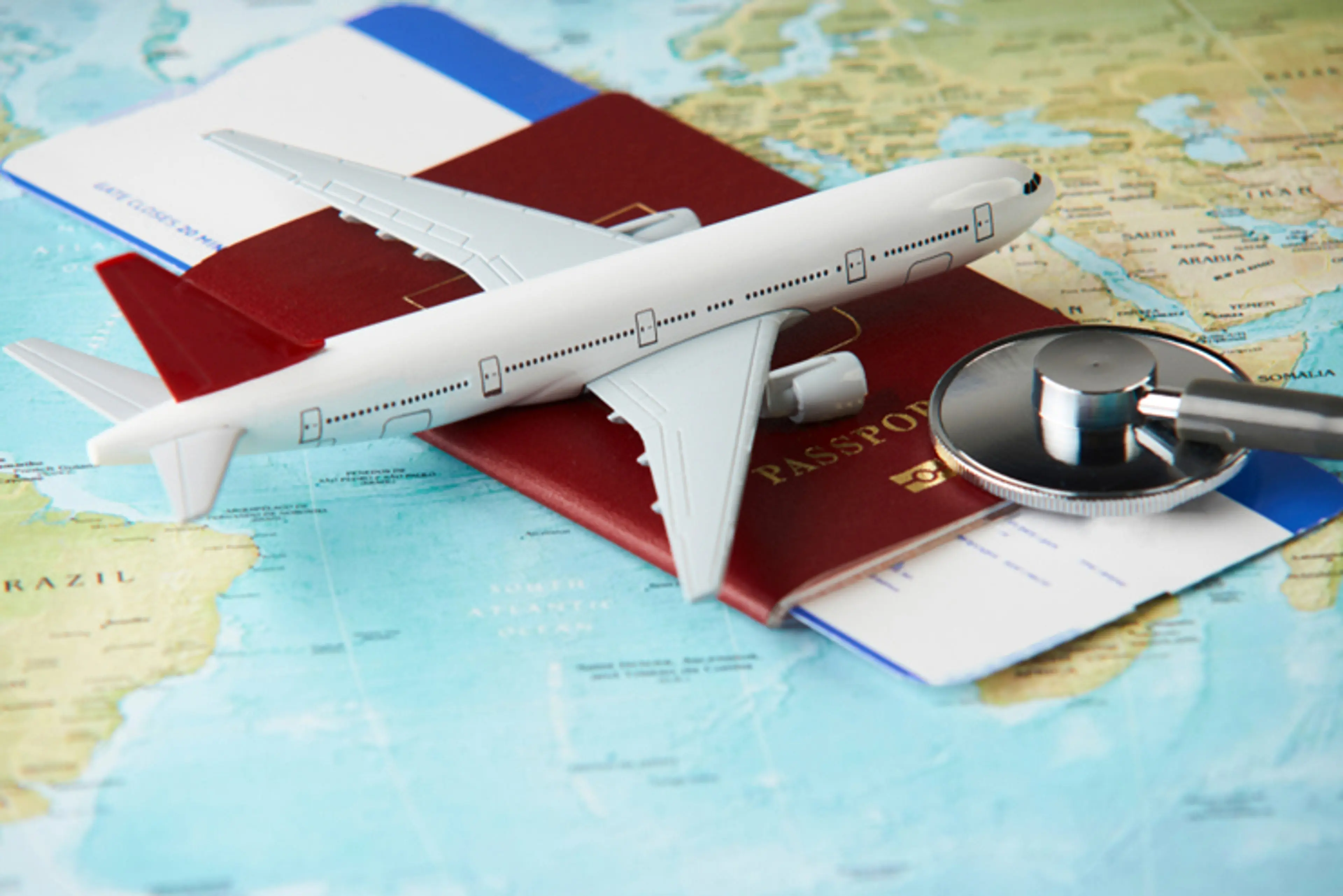
Imagine this: You’ve finally treated those nagging varicose veins with a minimally invasive procedure — perhaps Endovenous Laser Ablation (EVLA), Radiofrequency Ablation (RFA), or VenaSeal™. Your legs feel lighter already. But right as you’re recovering, an email pings: your business trip is confirmed for next week. Or maybe your long-awaited vacation is just days away. The question becomes urgent — is it safe to fly after vein surgery? And if so, how soon?
At Charm Vascular Clinic in Seoul, this is one of the most common post-procedure concerns we hear. Understandably so. Flying after vein treatment isn’t just a matter of convenience; it’s a matter of circulation, clot risk, and recovery.
Let’s break it down from a medical, practical, and compassionate point of view — as a clinic deeply invested in helping patients resume life safely, not just quickly.
Why Flying Matters After Vein Procedures
why-flying-matters-after-vein-proceduresFlying involves long periods of immobility in a pressurized cabin. Even for healthy people, this can mildly increase the risk of blood clots, especially on flights longer than 4 hours. But for patients recovering from vein procedures — where your veins have just been sealed, closed, or thermally ablated — that risk requires more attention.
The key concern is deep vein thrombosis (DVT) — a potentially serious condition where a blood clot forms in the deep veins, usually in the leg. The risk is small with modern procedures, but it’s not zero.
What many people don’t realize is that vein surgery temporarily alters how blood flows through your legs. Your body is rerouting circulation around the treated veins. Healing, inflammation, and internal adjustments are still underway — and that’s why early flights can pose a problem if taken too soon.
So, How Soon Can You Fly?
so-how-soon-can-you-flyHere’s the truth, drawn from Charm Vascular Clinic’s years of experience with thousands of patients in Seoul:
🕒 Short-Haul Flights (<4 hours)
short-haul-flights-(less4-hours)For procedures like EVLA, RFA, or VenaSeal™, most healthy patients can safely fly after 3 to 7 days, assuming there are no complications and healing is progressing normally.
At our clinic, we often clear patients to fly domestically (e.g., Seoul to Jeju) around day 5, especially if they’ve been walking regularly, wearing compression stockings, and have no signs of swelling or tenderness.
✈️ Long-Haul Flights (Over 6 hours)
long-haul-flights-(over-6-hours)This is where we’re more cautious. For international travel — say, Seoul to New York or Paris — we usually recommend waiting 10 to 14 days post-procedure.
Why the longer window? It’s not just the flight duration, but the combination of cabin pressure, reduced mobility, and the still-active healing phase in your veins.
In some cases, if a patient has a history of clotting disorders, recent leg swelling, or venous insufficiency in both legs, we may advise even longer.
What Makes Flying Risky Too Soon?
what-makes-flying-risky-too-soonBlood pooling: Sitting for hours reduces calf muscle activity — your “second heart” that pumps blood back upward. Right after vein treatment, this matters more.
Cabin pressure: Low humidity and air pressure can subtly slow circulation.
Dehydration: Flying tends to dehydrate you, which can increase clot risk.
Compression lapse: Not wearing compression stockings on the flight is a common mistake — but one that increases risk significantly.
Flying Safely After Vein Surgery: Real-World Tips
flying-safely-after-vein-surgery:-real-world-tips
If you must fly soon after treatment, here’s what we strongly recommend — not from a textbook, but from the lived experience of treating patients every day:
Wear your compression stockings — even on short flights. They keep blood moving efficiently.
Hydrate aggressively — water, not wine or coffee. Aim for a glass every hour.
Walk every hour — even if it means annoying your seatmate.
Avoid window seats — choose an aisle so you can move freely.
Flex your calves frequently — simple heel raises and ankle rolls go a long way.
Speak to your surgeon beforehand — especially if you have underlying risks.
At Charm Vascular Clinic, we offer personalized travel plans during post-op consultations. If a patient has a flight booked within two weeks of treatment, we adjust the procedure timeline accordingly — or prescribe anticoagulants if necessary.
What Patients Often Overlook: You’re Still Healing Internally
what-patients-often-overlook:-you're-still-healing-internallyMany patients feel surprisingly good just 1–2 days after EVLA or RFA. Minimal bruising, no stitches, and they’re walking out of the clinic. It’s easy to assume you’re 100% fine. But inside, your treated veins are still undergoing fibrosis — a process that can take weeks. The risk isn’t just how you feel, but what’s happening under the skin.
Think of it like repaving a road. The surface might look dry, but the foundation is still settling. If you drive on it too early, cracks can form.
That’s why even if your legs feel “back to normal,” we don’t recommend long-haul flights within the first week unless there’s a compelling reason and full medical clearance.
Special Considerations: Who Should Wait Longer?
special-considerations:-who-should-wait-longer
Certain individuals should be especially cautious about flying after vein treatment:
Those with a personal or family history of DVT or PE (pulmonary embolism)
Patients with clotting disorders (e.g., Factor V Leiden)
Pregnant or postpartum women
Those undergoing multiple vein treatments or bilateral procedures
Elderly patients with limited mobility
For these groups, waiting at least 2–3 weeks before flying — especially long-distance — is the safest course.
The Bottom Line
the-bottom-lineMinimally invasive vein procedures like EVLA, RFA, and VenaSeal™ have made life after treatment dramatically easier. At Charm Vascular Clinic, we’ve seen patients resume daily life the very next day. But flying introduces a unique variable — and your veins, newly treated and adjusting, deserve time to recover properly.
If you’re planning to fly soon after treatment, don’t guess — ask. A brief conversation with your vascular surgeon can make the difference between a smooth flight and a risky one.
Thinking About Treatment? Plan Ahead for Travel.
thinking-about-treatment-plan-ahead-for-travel.If you know you’ll need to fly soon — whether for business, family, or a long-awaited holiday — tell your clinic in advance. At Charm Vascular Clinic, we adjust your treatment timeline to accommodate travel safely. We also provide:
Post-op travel checklists
In-flight safety kits (compression + instructions)
Custom clearance letters for airlines if needed
If you’ve been struggling with varicose veins, but worry about travel interruptions, consider a consultation with a vascular specialist. With careful timing and expert planning, you can treat your veins without putting your travel at risk.