Home / Articles
Why Clarivein Is Revolutionizing Non-Surgical Vein Care
Home / Articles
Why Clarivein Is Revolutionizing Non-Surgical Vein Care
If you’ve ever found yourself searching for a way to treat varicose veins without going under the knife — you’re not alone. At Charm Vascular Clinic here in Seoul, many of our patients come in hoping for a solution that’s effective, gentle, and doesn’t interrupt their life. And in many cases, ClariVein fits that need beautifully.
Let’s walk through what ClariVein is, why it’s different, how it works, and who it’s truly best suited for.
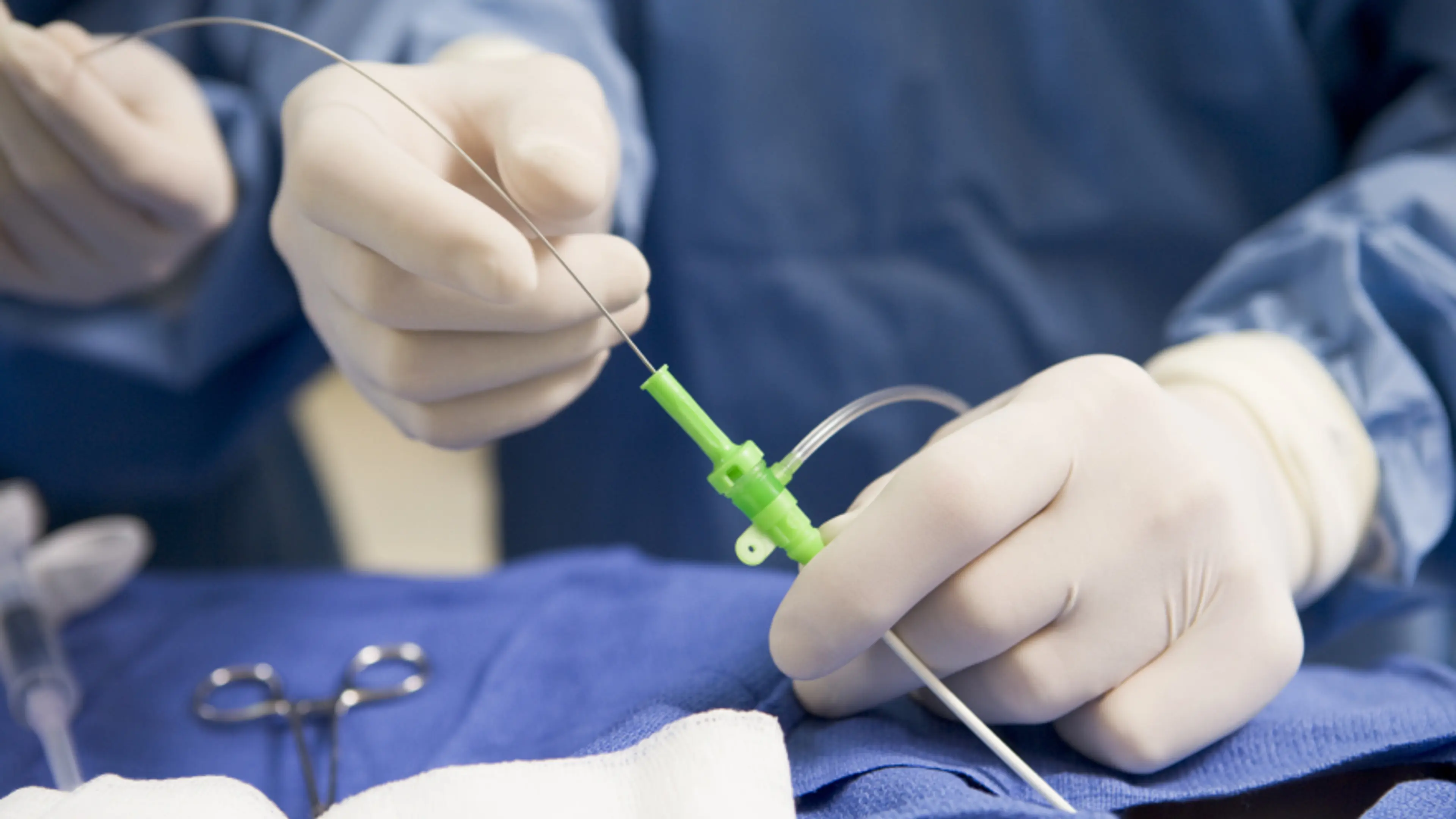
The process involves inserting a very thin catheter into the vein. Once inside, the tip of the catheter spins rapidly, disrupting the vein’s inner lining. At the same time, a sclerosant (a medication that causes the vein to close) is released. Together, this mechanical and chemical action causes the vein to collapse and scar down naturally — without heat, and without the need for large volumes of anesthetic fluid.
What does this mean for patients? In a word: simplicity. Less pain, fewer needles, and a faster return to daily life.
At Charm Vascular Clinic, this is typically how a ClariVein treatment unfolds:
ClariVein consistently shows high technical success rates, with closure rates above 90% in the first year.
Pain scores are significantly lower compared to heat-based treatments.
Recovery is faster, and most patients resume normal activities within a day or two.
It’s especially well-suited for veins that lie close to sensitive structures like nerves, where avoiding heat is advantageous.
Long-term closure rates (beyond 5–8 years) are slightly lower compared to laser or radiofrequency ablation. Some studies suggest that up to 40% of treated veins may partially reopen over time — though most patients still report lasting symptom relief.
ClariVein may not be ideal for extremely large or twisted veins, where mechanical action might not be as effective. In these cases, other techniques may be more appropriate.
Since it’s a newer method, long-term data is still accumulating. That said, early results continue to be encouraging.
We don’t believe in a one-size-fits-all approach. Our clinic offers a full range of modern treatments — including Endovenous Laser Ablation (EVLA), Radiofrequency Ablation (RFA), VenaSeal™, and ClariVein. The choice depends on your specific anatomy, symptoms, lifestyle, and treatment goals.
ClariVein is often ideal for:
Patients who want minimal discomfort and fast recovery
People with lower leg veins that run close to nerves
Those with busy lives who need a walk-in, walk-out procedure
Individuals looking to avoid multiple anesthesia injections
We’re always transparent about the trade-offs. If ClariVein offers slightly lower long-term vein closure but excellent symptom relief and a fast recovery — that might be the right balance for you. If anatomical closure is critical, we may lean toward EVLA or RFA instead. It all comes down to your unique needs and goals.
Let me share a typical example. Ms. Kim, a 52-year-old professional in Seoul, came to us with aching, heavy legs and a bulging vein running along her inner thigh. Her main concern? She couldn’t take time off work. She needed a solution that wouldn’t slow her down.
We recommended ClariVein. The entire procedure took less than 30 minutes. She experienced little to no discomfort, walked out of the clinic that same day, and was back at her desk job the next morning.
At her 6-week follow-up, the visible vein had flattened, and her leg felt light again. A year later, she’s still symptom-free — and proudly wearing skirts again. Her follow-up ultrasound showed a slight reopening of a small segment, but no reflux. In real terms, her quality of life has improved dramatically. That’s what matters.
Is ClariVein revolutionary? In many ways, yes. It represents a shift in how we think about vein treatment — away from heat and heavy anesthesia, toward lighter, gentler, yet still effective care.
But ClariVein isn’t for everyone. It’s a powerful tool when used in the right hands, for the right patient. At Charm Vascular Clinic, under the guidance of Dr. Insoo Park, we integrate ClariVein as part of a broader, personalized treatment approach — one that prioritizes your comfort, safety, and long-term vascular health.
If you’ve been struggling with varicose veins or leg discomfort, and you’re curious whether a non-surgical option might be right for you, we invite you to visit us. You deserve a solution that fits your life — not the other way around.
Let’s find it together.