Introduction
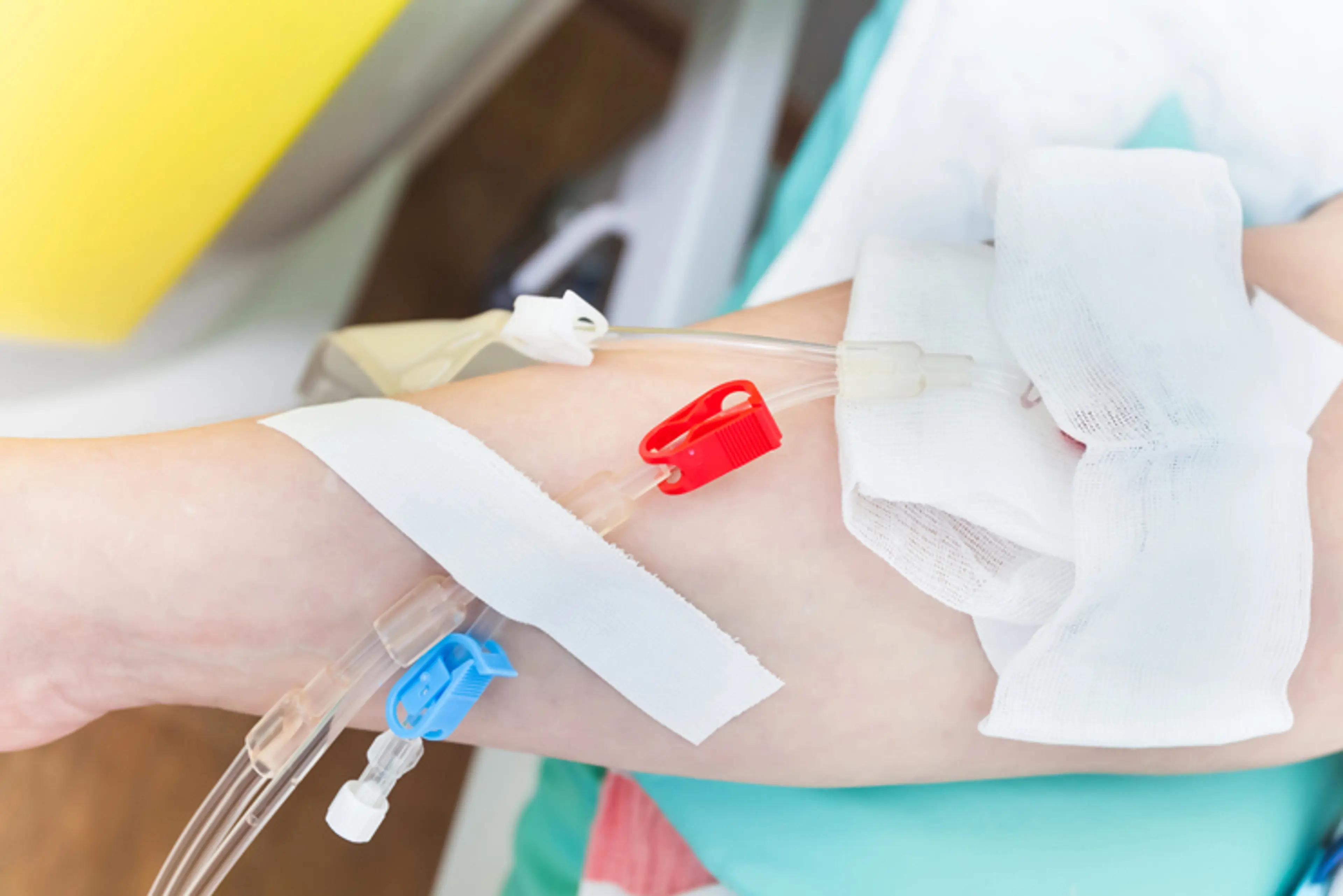
why-dialysis-access-sites-need-regular-monitoringIf you’ve ever spoken with someone on dialysis, you know that the treatment itself is only part of the journey. The real lifeline lies in the access site — whether it’s an arteriovenous fistula (AVF), an arteriovenous graft (AVG), or, in some cases, a central venous catheter. These access points aren’t just “medical tools.” They are literally the gateway that makes life-saving dialysis possible.
At Charm Vascular Clinic in Seoul, we meet many patients who are surprised to learn how much attention their access site requires, even after a successful surgery. The truth is, dialysis access is not a “set it and forget it” procedure. It needs ongoing monitoring and care — otherwise, the risks can escalate quickly.
The Lifeline of Dialysis Patients
the-lifeline-of-dialysis-patientsFor patients with end-stage renal disease (ESRD), dialysis is not optional. It is a necessity, often performed three times a week, four hours at a time. Without a reliable access site, dialysis cannot filter toxins, remove excess fluids, or balance electrolytes in the blood. That’s why vascular surgeons often refer to an AVF or graft as a patient’s “lifeline.”
But lifelines can weaken over time. Just as a well-built bridge still requires regular inspection to carry heavy traffic safely, an access site must be checked frequently to ensure it can support the high blood flow demands of dialysis.
What people often overlook is that most access complications don’t happen suddenly. They develop silently, over weeks or months, without clear warning signs. By the time swelling, pain, or bleeding appear, the problem is often advanced — making treatment more urgent and complex.
Why Access Sites Are So Vulnerable
why-access-sites-are-so-vulnerableDialysis access is unique because it combines two realities: surgical creation and repeated use. An AV fistula, for example, is made by connecting an artery directly to a vein. This increases blood flow, enlarges the vein, and makes it strong enough to handle the repeated punctures of dialysis needles.
But this system is under constant stress:
Stenosis (narrowing): The most common problem, caused by scar tissue or vessel wall changes. Even a small narrowing can reduce blood flow, making dialysis less efficient.
Thrombosis (clotting): If blood flow becomes sluggish, a clot can form. This may block the access completely, sometimes in a matter of hours.
Infections: Particularly with grafts or catheters, bacteria can enter the bloodstream through the access site, causing serious complications like sepsis.
Aneurysms or pseudoaneurysms: Repeated punctures at the same spot can weaken the vein wall, creating bulges that may rupture if not addressed.
Steal syndrome: In rare cases, the fistula diverts too much blood away from the hand, leading to pain, numbness, or cold fingers.
Each complication is a threat not just to the access site, but to the patient’s overall health. And because many of these issues progress quietly, early detection is the safest strategy.
The Role of Regular Monitoring
the-role-of-regular-monitoringHere’s where regular monitoring makes all the difference. In a well-run dialysis program, access sites are evaluated at every dialysis session by nurses and periodically by vascular specialists.
Monitoring involves different layers:
Physical Examination: Checking for the “thrill” (a buzzing vibration) over the fistula, listening for abnormal sounds with a stethoscope, and inspecting the arm for swelling, redness, or shiny stretched skin.
Ultrasound Scans: Non-invasive imaging that measures blood flow, detects narrowing, and reveals hidden clots or aneurysms.
Flow Surveillance: Machines during dialysis can measure blood flow rates, helping detect early changes in access function.
At Charm Vascular Clinic, we emphasize advanced ultrasound surveillance. A narrowing detected early can often be treated with a simple balloon angioplasty — a quick, minimally invasive procedure — rather than emergency surgery. This approach saves patients not only from complications but also from the stress of losing their lifeline.
What Happens If Monitoring Is Neglected
what-happens-if-monitoring-is-neglected
To be honest, many patients don’t realize the stakes until they face an emergency. If monitoring is neglected, the risks multiply:
Sudden loss of access: A once-healthy fistula can clot overnight, forcing an urgent procedure to restore blood flow — or worse, the creation of a new access.
Inefficient dialysis: Poor access flow means the dialysis machine cannot filter enough toxins. Patients may feel fatigued, swollen, or short of breath, even after a full session.
Serious infections: Bacteria in the bloodstream can spread quickly, leading to hospitalization and, in severe cases, sepsis.
Limited future options: If one access fails, surgeons must create another. But usable veins are limited. The more accesses a patient loses, the harder it becomes to create new ones.
Think of it like this: ignoring access monitoring is like ignoring the oil light in your car. You might get away with it for a while, but eventually the engine will fail — and repairs will be far more costly and difficult than routine maintenance.
The Patient’s Role in Protecting Their Access
the-patient's-role-in-protecting-their-accessMonitoring isn’t just the responsibility of doctors and nurses. Patients themselves play an equally vital role in daily care. At Charm Vascular Clinic, we teach our patients practical, easy-to-follow routines:
Feel the thrill daily: Place your fingers lightly over the fistula. If you can’t feel the buzzing vibration, contact your doctor immediately.
Watch for changes: Look for redness, swelling, prolonged bleeding after dialysis, or skin that appears stretched or shiny.
Listen to your body: Unexplained fatigue, headaches, or sudden rises in blood pressure can indicate poor dialysis efficiency.
Protect the arm: Avoid blood pressure cuffs, blood draws, or tight clothing on the access arm. Never sleep on it or carry heavy loads with it.
Rotate needle sites: For patients with fistulas, alternating puncture sites helps preserve vein health.
These habits may seem small, but they often mean the difference between a smoothly functioning fistula and an emergency hospital visit.
How We Approach Monitoring at Charm Vascular Clinic
how-we-approach-monitoring-at-charm-vascular-clinicUnder the guidance of Dr. Insoo Park, Charm Vascular Clinic takes a proactive, patient-first approach to dialysis access care. We don’t just perform the surgery and move on — we partner with patients for the long term.
Our approach includes:
Routine ultrasound surveillance to detect narrowing before it becomes critical.
Minimally invasive interventions such as balloon angioplasty, stenting, or clot removal to restore blood flow quickly and safely.
Patient education workshops that empower patients to take ownership of their access health.
Collaboration with dialysis centers, ensuring nurses and physicians stay connected with our team when concerns arise.
By blending technology, surgical expertise, and patient partnership, we’ve been able to extend the life of many fistulas that might otherwise have failed prematurely.
Why Regular Monitoring Is Non-Negotiable
why-regular-monitoring-is-non-negotiable
Dialysis is not optional for patients with kidney failure — and neither is access monitoring. It is the invisible insurance policy that keeps treatment effective and safe.
Think of it like home maintenance in Korea: you wouldn’t wait for a leaking roof to collapse before calling a repair service. In the same way, it makes far more sense to catch a small narrowing in a fistula early than to wait for a full blockage that could shut down dialysis completely.
For patients in Seoul and beyond, having a dedicated vascular specialist can mean the difference between a smooth treatment journey and repeated emergencies. At Charm Vascular Clinic, we view dialysis access not just as a surgical procedure, but as a living partnership between patient and doctor — one that requires care, attention, and trust.
Final Word
final-wordIf you or a loved one is living with dialysis, remember this: your access is your lifeline. Protect it. Monitor it. Ask questions. And if you notice anything unusual, don’t wait. Early action can save your access — and safeguard your health.
👉 If you’ve been struggling with dialysis access problems or simply want a thorough check-up, consider a consultation at Charm Vascular Clinic. With advanced imaging, minimally invasive treatments, and compassionate follow-up care, we’re here to help you protect the lifeline that keeps dialysis possible.