Home / Articles
Why Do Varicose Veins Sometimes Bleed? When to Seek Help
Home / Articles
Why Do Varicose Veins Sometimes Bleed? When to Seek Help
Varicose veins are swollen, twisted veins that typically appear in the legs and feet. While many people think of them as a cosmetic concern, they can be a sign of an underlying vascular issue. In some cases, varicose veins can bleed, leading to complications. Understanding why and when varicose veins bleed is crucial for managing your vascular health. This article explores the causes of bleeding varicose veins, symptoms to watch out for, and when to seek help to prevent further complications.
Varicose veins are veins that have become enlarged and twisted due to weakened vein walls and valves. These veins are most commonly found in the legs because of the pressure exerted by standing or walking for long periods. Normally, veins carry blood toward the heart, but when the valves inside the veins weaken, blood can flow backward, causing the veins to stretch and enlarge. This condition is known as venous insufficiency, and it can lead to varicose veins.
Varicose veins can bleed when the pressure inside the veins becomes too high, causing them to rupture. This can happen spontaneously, especially if the vein is located near the surface of the skin. The skin overlying these veins can become thin and vulnerable, making it easier for the veins to burst under pressure. Additionally, any injury or trauma to the area, such as bumping the leg, can lead to bleeding from varicose veins.
When varicose veins bleed, the blood often flows quickly and may be dark in color due to the lack of oxygen in the blood. While bleeding from varicose veins is not usually life-threatening, it can be alarming and painful. In some cases, the bleeding can be significant, requiring medical attention to stop it and address any underlying causes.
It’s important to note that not all varicose veins bleed. However, when they do, it is often a sign of a more serious problem, such as a blood clot or advanced venous insufficiency. Understanding the causes of bleeding and when it happens can help prevent serious complications and ensure timely treatment.
Several factors can lead to bleeding from varicose veins. The most common cause is the increased pressure within the veins. When the blood is unable to flow properly due to weakened valves, the veins can become engorged and pressurized, making them prone to rupture. This is especially true for larger varicose veins near the surface of the skin.
Injury or trauma to the area is another significant cause of bleeding. A simple bump or scratch to a varicose vein can cause it to burst, resulting in bleeding. Additionally, prolonged periods of standing or sitting without movement can increase the pressure in the veins, further weakening the walls of the veins and making them more susceptible to rupture.
Thinning of the skin overlying the varicose veins also plays a role. As the skin becomes more delicate with age, it can tear more easily, exposing the veins to external pressure or injury. People with varicose veins should be particularly cautious of activities that could lead to accidental injury, such as intense physical exercise or bumping into furniture or walls.
Finally, conditions such as blood clotting disorders can increase the risk of bleeding from varicose veins. People with conditions that affect blood clotting may be more likely to experience excessive bleeding when their varicose veins rupture.
When varicose veins begin to bleed, there are several symptoms to watch for. The most obvious sign is bleeding from the vein itself, often accompanied by bruising around the area. The blood may be dark red or purple and may flow quickly, especially if the vein is near the surface of the skin. In some cases, the bleeding may stop on its own, but it’s essential to keep an eye on the situation as it could resume.
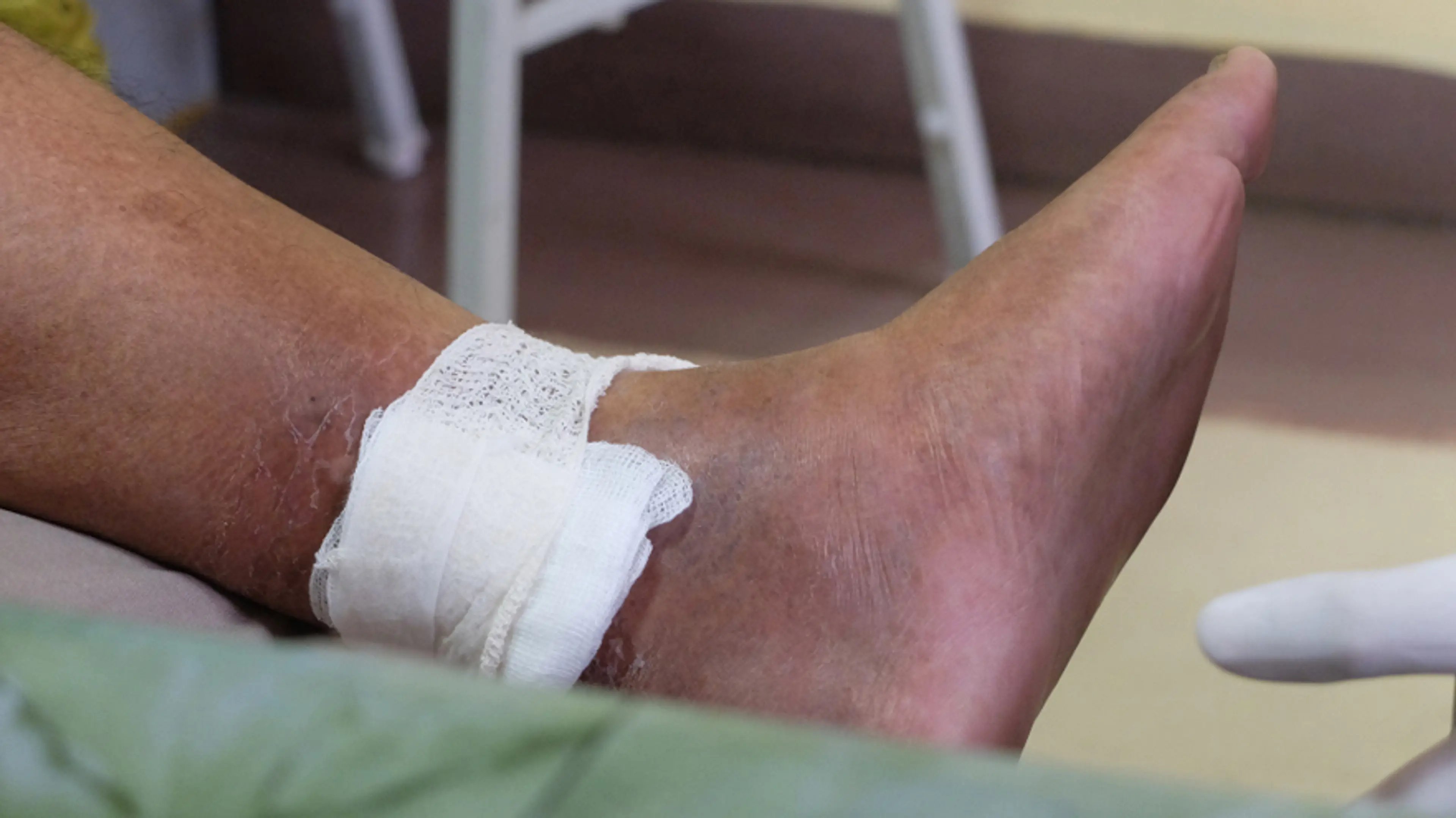
If the vein has ruptured due to pressure or trauma, you might notice swelling or tenderness around the affected area. In addition to bleeding, you may feel pain, which can range from mild to severe. Other signs to watch for include warmth in the affected area and visible changes in the color of the skin, indicating inflammation or infection.
It’s also important to note that bleeding from varicose veins is not always immediately noticeable. The skin overlying the veins can sometimes be fragile, and bleeding might occur without significant external signs. If you experience any sudden or unexplained pain in the legs along with changes in the appearance of your varicose veins, it's essential to seek medical attention.
While bleeding from varicose veins may not always be life-threatening, it is crucial to seek medical help if certain signs or symptoms occur. If the bleeding is profuse or doesn’t stop after applying pressure to the area, immediate medical attention is required. This could be an indication that the vein has been severely damaged, or there may be a more serious underlying issue.
Other signs that warrant a visit to your doctor include persistent pain, swelling that doesn’t improve, or redness and warmth around the bleeding area, which could indicate an infection. If you have difficulty stopping the bleeding or notice that it recurs frequently, this could also be a sign of a more serious complication, such as a blood clot or further vein deterioration.
For individuals with a history of chronic venous insufficiency, blood clotting disorders, or varicose veins that are particularly large or near sensitive areas, it's even more important to seek prompt medical advice. Your healthcare provider will evaluate your condition, determine the severity of the bleeding, and recommend appropriate treatment options.
Chronic venous insufficiency (CVI) is a common condition where the veins in the legs struggle to efficiently return blood to the heart. This is typically due to weakened or damaged valves within the veins. When blood pools in the lower legs, it causes the veins to enlarge, leading to varicose veins. Over time, CVI can worsen, leading to complications such as bleeding.
In patients with CVI, the veins are already under constant pressure due to improper blood flow. This weakened state of the veins makes them more susceptible to rupture and bleeding. The increased pressure and prolonged stagnation of blood can cause the veins to stretch, thin, and even tear, especially when external trauma or increased physical activity is involved.
People with CVI should be particularly cautious when engaging in activities that put additional strain on their legs, as this can exacerbate symptoms and lead to bleeding from varicose veins. Managing CVI through proper medical treatment, compression therapy, and lifestyle changes is essential to reduce the risk of complications, including bleeding.
If you experience bleeding from a varicose vein, it's important to take immediate steps to manage the situation. The first thing you should do is apply pressure to the affected area with a clean cloth or bandage to help stop the bleeding. Elevating the leg can also assist in reducing blood flow to the affected vein, further helping to control the bleeding.
Compression stockings are a helpful tool in preventing further complications, as they help reduce the pressure in the veins and encourage proper blood flow. They can also be used after treatment to prevent new varicose veins from forming and to manage symptoms like swelling. In some cases, applying cold compresses to the area can reduce swelling and help with pain management.
If the bleeding persists or if you notice other concerning symptoms such as infection or increased pain, it is crucial to seek professional medical help. Your doctor may recommend more advanced treatments, such as minimally invasive procedures like Endovenous Laser Ablation (EVLA) or Sclerotherapy, to close off the problematic veins and prevent further bleeding.
In cases of severe bleeding or when the varicose veins are large or problematic, surgical intervention, such as vein stripping or phlebectomy, may be required to remove the affected veins and prevent future complications. Your healthcare provider will discuss the best course of action based on the severity of the bleeding and the condition of your veins.
Charm Vascular Clinic uses the latest technology and evidence-based practices to provide high-quality care in a comfortable, patient-friendly environment. Whether you're dealing with bleeding varicose veins or looking for preventive treatments, the clinic’s team is equipped to help restore your vein health and improve your quality of life.
Patients are also advised to avoid prolonged periods of standing or sitting during the initial recovery period. Gentle exercises like walking can encourage healthy blood flow without straining the treated veins. Your doctor will provide personalized guidance on lifestyle modifications and recovery timelines to maximize the effectiveness of your treatment and prevent complications.
Our goal is not only to treat the issue but to ensure long-term vein health, so patients are equipped with the knowledge and resources to maintain their well-being.
Varicose veins, while common, can lead to serious complications such as bleeding if left untreated. Being proactive about your vascular health is essential to preventing these issues. Regular check-ups, early intervention, and lifestyle changes can significantly reduce the risk of varicose veins worsening or bleeding.
If you're experiencing varicose veins, Charm Vascular Clinic offers personalized care and advanced treatment options to effectively address the problem. With our team of experts and innovative, minimally invasive procedures, we can help you manage varicose veins and avoid the risks associated with bleeding. Don't wait for complications to arise—contact Charm Vascular Clinic today to schedule a consultation and take the first step toward healthier veins.