Introduction
why-minimally-invasive-procedures-offer-shorter-recoveryIf you’ve ever hesitated to seek treatment for varicose veins or other vascular issues because you were worried about long hospital stays or painful recoveries, you’re not alone. Many patients we meet at Charm Vascular Clinic in Seoul share the same concern. The good news is that modern vascular medicine has changed dramatically. Today, minimally invasive procedures allow patients to return to normal life far sooner than they could with traditional surgery — often within days rather than weeks.
But what exactly makes recovery so much faster? To understand this, we need to look closely at what “minimally invasive” really means, how it compares to conventional surgical methods, and what happens inside your body during the healing process.
Understanding Minimally Invasive Vascular Procedures
understanding-minimally-invasive-vascular-proceduresTraditional vein surgery, known as vein stripping, involved physically removing diseased veins through large incisions in the leg. This required general anesthesia, left visible scars, and often meant several weeks of downtime.
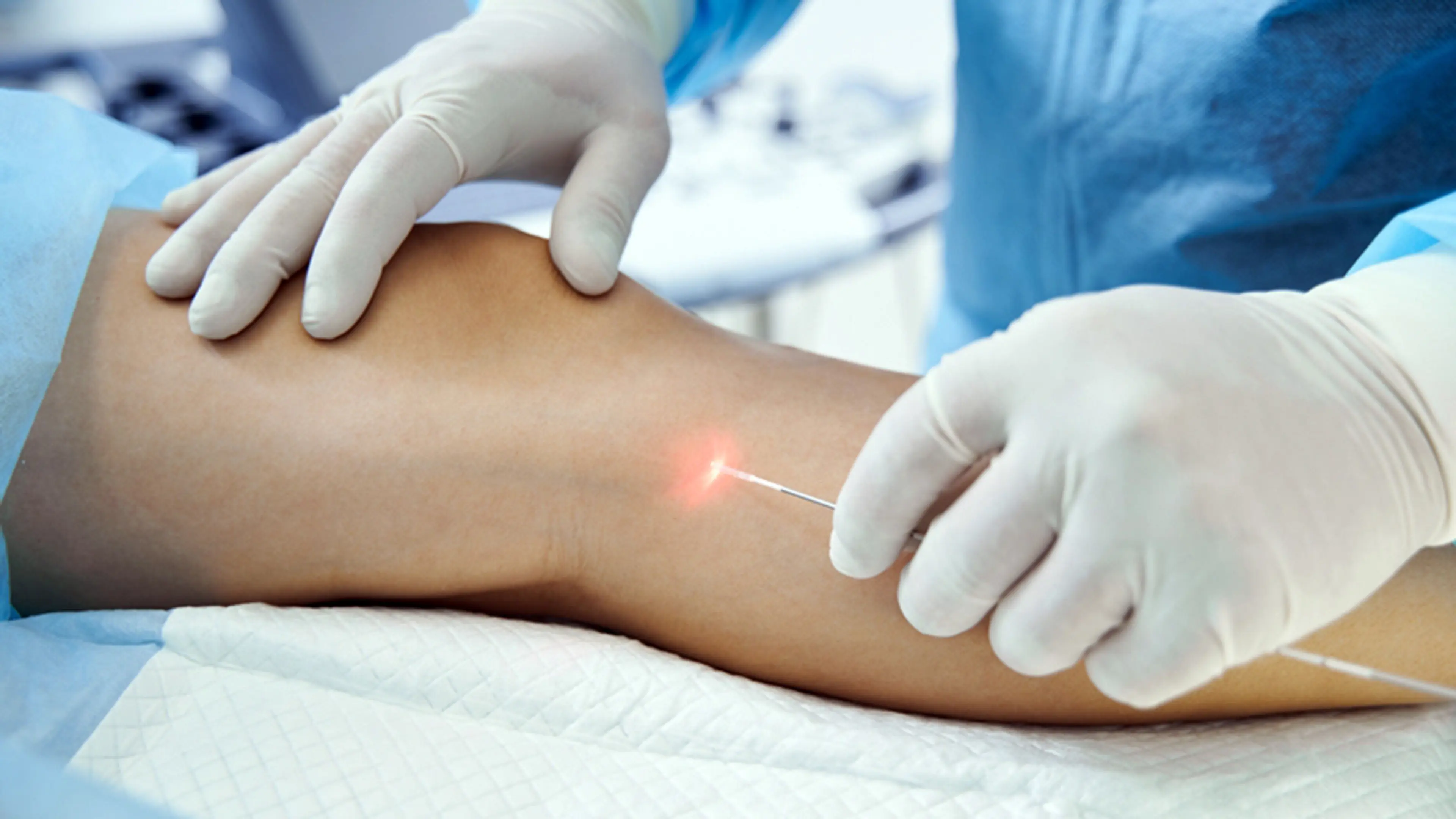
By contrast, minimally invasive techniques—like Endovenous Laser Ablation (EVLA), Radiofrequency Ablation (RFA), and VenaSeal™ closure—use precise, targeted methods to close damaged veins from the inside, without the need for open surgery.
At Charm Vascular Clinic, these procedures are performed through a tiny puncture site, guided by real-time ultrasound imaging. There are no large incisions, stitches, or hospital admissions. Patients usually walk out of the clinic on the same day.
To be honest, that still surprises many people. The idea that a vein problem once treated with surgery can now be fixed with a simple in-clinic procedure feels almost futuristic. But the science is straightforward — and it’s all about reducing trauma to the body.
Less Trauma, Faster Healing
less-trauma-faster-healingThe main reason minimally invasive procedures lead to faster recovery is minimal tissue damage. When we use a fine catheter to deliver laser or radiofrequency energy, we’re targeting only the diseased segment of the vein — not the surrounding tissue.
In traditional surgery, larger incisions meant cutting through skin, fat, and connective tissue, all of which needed time to heal. That caused swelling, bruising, and pain. With minimally invasive methods, these effects are drastically reduced because the procedure is done through a needle puncture about the size of a freckle.
Think of it this way: if your home plumbing needs repair, replacing the entire pipe system takes days and makes a mess. But sealing a small leak from inside the pipe can be done cleanly and quickly. Your veins work much the same way.
Reduced Inflammation and Bruising
reduced-inflammation-and-bruising
Another key advantage is how the body reacts after the procedure. When less tissue is disturbed, your body triggers a smaller inflammatory response. That means less swelling, bruising, and discomfort — and less downtime for you.
For example, after Endovenous Laser Ablation, most patients can resume light activity within 24 hours. Some even go back to work the next day, wearing compression stockings to aid circulation. By comparison, traditional vein stripping could require up to a month of limited movement.
At our clinic, Dr. Insoo Park often reminds patients that “recovery isn’t just about how the leg looks — it’s about how quickly normal circulation and confidence return.” The goal isn’t just cosmetic improvement; it’s restoring comfort and mobility with minimal interruption to your life.
Local Anesthesia, Not General Anesthesia
local-anesthesia-not-general-anesthesiaOne often-overlooked factor that affects recovery is anesthesia. Traditional vein surgeries typically required general anesthesia, which comes with its own risks and longer recovery time as the body processes the medication.
Minimally invasive procedures, on the other hand, use local anesthesia — meaning only the treatment area is numbed. This allows patients to stay awake, avoid nausea or grogginess afterward, and walk immediately after the procedure.
In Korean culture, where many people prefer quick returns to work and daily routines, this difference is especially meaningful. A minimally invasive approach aligns perfectly with that lifestyle — efficient, effective, and respectful of your time.
No Hospital Stay, No Stitches
no-hospital-stay-no-stitchesBecause minimally invasive vein treatments are outpatient procedures, there’s no need for hospital admission. Patients walk in, receive their treatment in about 30–60 minutes, and walk out on their own. There are no surgical wounds to care for, no dressings to change, and no stitches to remove.
Most patients report mild tightness or pulling sensations for a few days — a sign that the treated vein is sealing properly. These symptoms are temporary and easily managed with over-the-counter medication or gentle movement.
This simplicity translates into more than just comfort — it also reduces the psychological burden many patients feel before surgery. The fear of long recovery, visible scars, or missed workdays no longer stands in the way of proper treatment.
Modern Healing, Supported by Movement
modern-healing-supported-by-movement
Perhaps the most liberating part of minimally invasive recovery is that patients are encouraged to move right away. Early walking improves circulation, reduces the risk of blood clots, and speeds up healing.
At Charm Vascular Clinic, we often tell patients: “The best thing you can do after treatment is take a walk.” Unlike the bed rest once recommended after surgery, today’s approach focuses on keeping the blood flowing and maintaining healthy habits.
This shift — from immobility to movement — represents a new philosophy in vascular care. Healing doesn’t happen through rest alone; it happens through smart, active recovery guided by your body’s own natural processes.
Long-Term Results, Without the Long Wait
long-term-results-without-the-long-waitShorter recovery doesn’t mean compromising on results. In fact, clinical studies show that minimally invasive vein treatments are as effective — or even more effective — than traditional surgery in closing faulty veins and preventing recurrence.
Procedures like RFA, EVLA, and VenaSeal™ not only provide excellent cosmetic outcomes but also improve symptoms such as leg heaviness, swelling, cramps, and fatigue. Most importantly, patients regain confidence and freedom from discomfort far more quickly.
At our clinic, we often see patients who waited years to treat their varicose veins because they feared the downtime. When they realize they can return to work or daily life within days, it changes everything — not just their legs, but their mindset about health care.
The Charm Vascular Approach: Precision, Comfort, and Care
the-charm-vascular-approach:-precision-comfort-and-careEvery patient’s body — and lifestyle — is different. That’s why Dr. Insoo Park and the team at Charm Vascular Clinic take a personalized approach to each treatment plan. We combine diagnostic precision with patient-centered care, using the least invasive yet most effective techniques for each case.
Our clinic specializes in:
Endovenous Laser Ablation (EVLA)
Radiofrequency Ablation (RFA)
VenaSeal™ vein closure
Ultrasound-guided foam sclerotherapy
These procedures are performed in a calm, private setting where patients can feel at ease. The focus is not just on treating veins but on restoring confidence and comfort in movement.
When to Consider Treatment
when-to-consider-treatmentIf you’ve been living with symptoms like leg swelling, heaviness, or visible varicose veins, it might be time to consult a vascular specialist. Left untreated, venous insufficiency can worsen over time — leading to pain, skin changes, or ulcers.
Choosing a minimally invasive procedure early can prevent complications and help you recover faster than you think.
As Dr. Park often says, “It’s not just about treating veins — it’s about giving people back their freedom to move, without fear or pain.”
In Summary
in-summaryMinimally invasive procedures offer shorter recovery times because they cause less trauma, less inflammation, and less disruption to the body. With no large incisions, minimal anesthesia, and immediate mobility, these treatments redefine what recovery looks like in vascular care.
If you’re considering treatment for varicose veins or chronic venous insufficiency, you deserve care that fits your lifestyle — safe, effective, and efficient.
Charm Vascular Clinic in Seoul provides advanced, minimally invasive solutions designed to help you heal faster and live better.
If you’ve been delaying treatment because you’re worried about recovery, now is the perfect time to discover just how gentle and effective modern vein care can be.