Home / Articles
Why Sclerotherapy Is Still the #1 Choice for Spider Veins
Home / Articles
Why Sclerotherapy Is Still the #1 Choice for Spider Veins
You might be reading this while glancing down at your legs — wondering how those red or purple web-like lines showed up, and whether they’ll ever go away. You’re not alone. Spider veins are incredibly common, especially among adults over 30, and while they often start as a cosmetic nuisance, they can hint at deeper issues in your venous system.
Despite the growing popularity of lasers and light-based treatments, sclerotherapy is still the gold standard. It’s not just tradition — it’s science, experience, and real-world results.
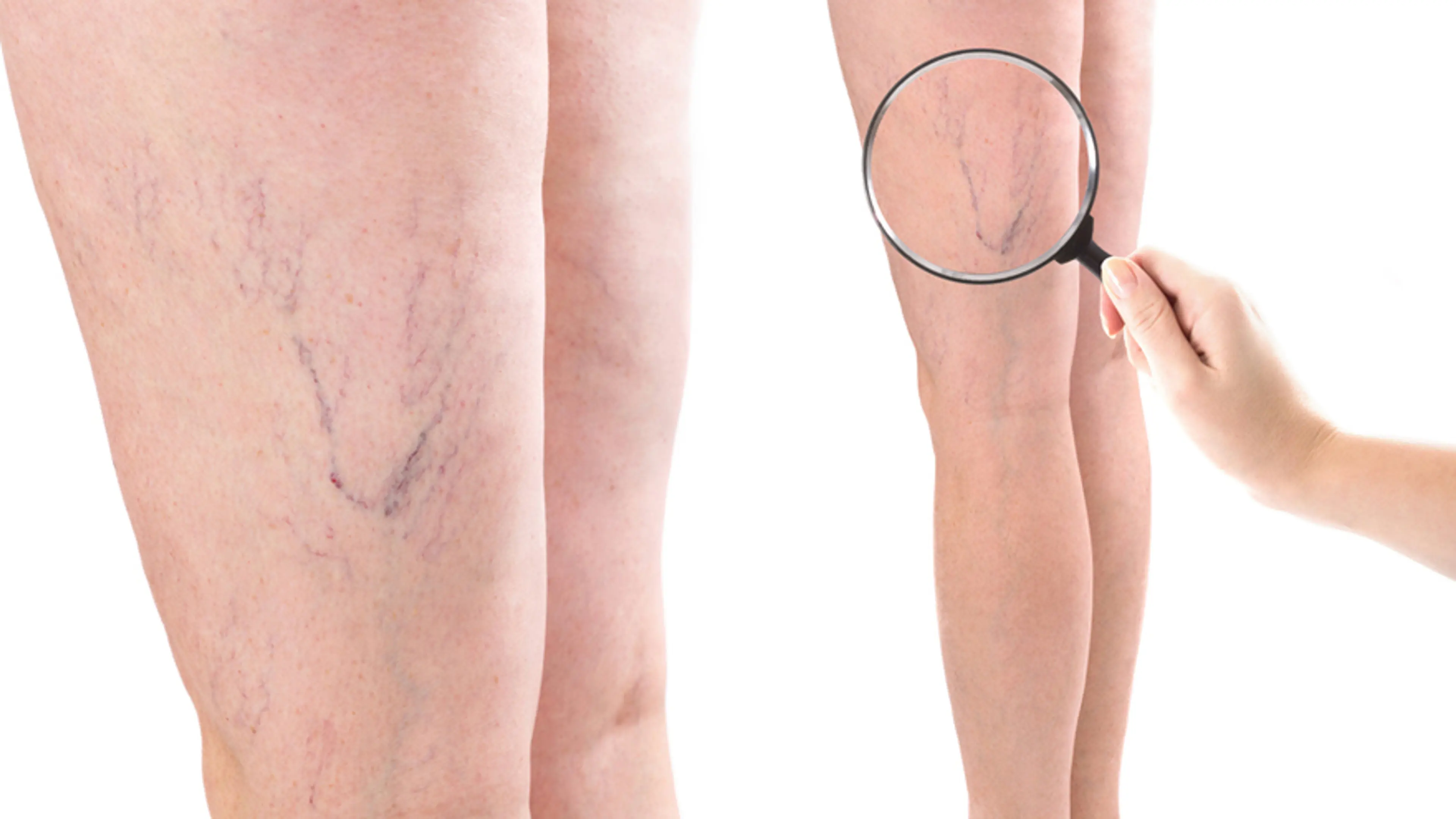
Spider veins are small, dilated blood vessels that appear just under the skin, usually on the legs or face. They may look harmless, but they often signal weak or malfunctioning vein valves beneath the surface.
Normally, your veins carry blood back to your heart using one-way valves. But when those valves weaken — due to genetics, pregnancy, long periods of standing, or aging — blood can backflow and pool. In large veins, this leads to varicose veins. In smaller surface veins, the result is those visible “spider” webs.
Many patients say, “They don’t hurt, so I just ignored them.” But others report aching, itching, or heaviness, especially after standing all day. The bottom line? Spider veins aren’t always just a cosmetic issue. They’re often your body’s early warning sign of venous insufficiency.
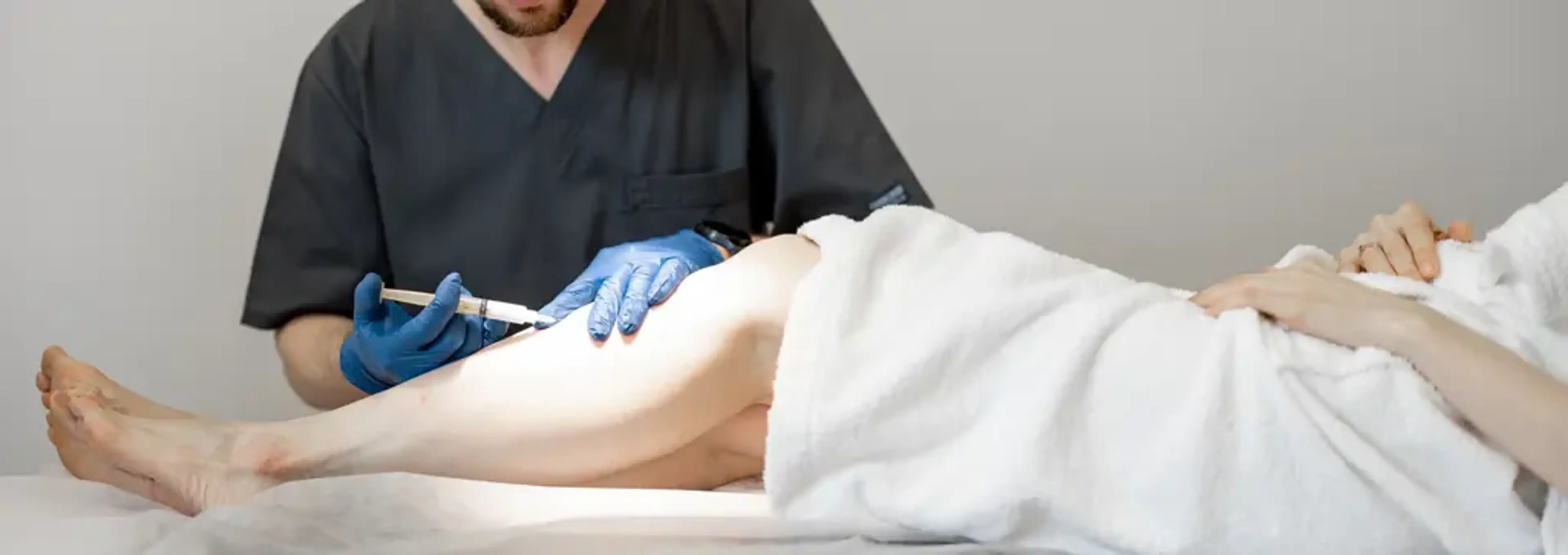
The procedure takes about 20 to 30 minutes, and you can walk out of the clinic the same day.
There’s a reason vascular clinics worldwide still use sclerotherapy as their go-to for spider veins: it consistently delivers results. Clinical studies show it clears up 70–90% of treated veins, especially when done by an experienced specialist.
While newer technologies like lasers can help with certain facial or very small veins, sclerotherapy is more effective for the majority of leg spider veins. Why? Because it addresses not just the surface appearance, but the underlying vein itself.
Sclerotherapy has been used for decades — and refined over time. It’s one of the most studied procedures in vascular medicine, with a strong safety record. Most side effects are minor: some bruising, slight swelling, or temporary darkening of the skin. Complications are rare when the procedure is done by a qualified vascular specialist.
At Charm Vascular Clinic, we tailor the concentration and volume of the solution to your specific vein type — ensuring both safety and effectiveness.
There’s no general anesthesia, no cutting, no downtime. You can walk immediately after treatment — and we actually encourage it. Most patients return to normal activities the same day. You’ll wear compression stockings for a short period to support healing, but otherwise, recovery is smooth and fast.
This makes it ideal for busy patients who want visible improvement without sacrificing time.
While lasers are often marketed as “modern” or “high-tech,” they usually cost more — and often require multiple sessions to match the results of one or two sclerotherapy treatments. Plus, laser treatments can struggle with deeper or larger spider veins.
In short: sclerotherapy delivers better results, faster, and at a lower cost for most patients.
Lasers work by using light energy to heat the vein, causing it to collapse. This works best for very superficial veins, but it doesn’t always reach deeper feeders. Plus, laser treatments can be uncomfortable and sometimes lead to pigmentation changes, especially in patients with darker skin.
So while lasers are useful tools in a vascular clinic, they’re not a replacement for sclerotherapy — especially on the legs.
Sclerotherapy is surprisingly straightforward:
Results usually begin to show in 2–4 weeks. Some veins may need a follow-up session, especially if they are large or extensive.
At Charm Vascular Clinic, we’ve helped thousands of patients regain confidence and comfort with sclerotherapy.
One woman in her 40s came in complaining about the appearance of spider veins on her calves — and also mentioned leg fatigue in the afternoons. After treating the underlying vein reflux with endovenous laser ablation (EVLA) and following up with sclerotherapy, not only did her legs look better, but the aching disappeared.
Another patient — a young man training for his first marathon — had small spider veins that didn’t bother him much, but he wanted to be proactive. After a single sclerotherapy session, he was thrilled with the cosmetic result and appreciated the personalized guidance on vein health.
Sclerotherapy is ideal for:
Anyone with visible spider veins on the legs or ankles
People experiencing symptoms like aching, itching, or heaviness
Patients who want a proven, minimally invasive solution
It’s also safe for most adults. However, pregnant women and people with certain medical conditions should delay treatment until cleared by a doctor.
In a world obsessed with the newest trends and treatments, there’s something refreshing — and reassuring — about a solution that’s still used because it truly works.
Sclerotherapy remains the #1 choice for spider veins not because it’s old, but because it continues to deliver results that matter. Safe, effective, affordable, and minimally disruptive to your life — it’s the treatment that vascular surgeons trust for their own patients and families.
If you’ve been wondering whether those spider veins will just go away on their own — or if you’ve tried creams and home remedies with no luck — maybe it’s time to take the next step. Talk to a clinic that specializes in vascular care. Ask questions. Get answers.