Home / Articles
Why Some Women Experience Varicose Veins After Giving Birth
Home / Articles
Why Some Women Experience Varicose Veins After Giving Birth
It’s a common scene in our clinic in Seoul: a new mother walks in, holding her baby in one arm and tugging at her leggings with the other. “These veins just popped up after I gave birth,” she says. “Is that normal?”
To be honest, this is one of the most frequently asked questions we get — and yes, it's more common than people realize. Varicose veins after childbirth aren’t just a cosmetic concern; they can reflect real changes in the venous system triggered by pregnancy and delivery.
Let’s break down why this happens, what’s going on inside your body, and how to know when it’s time to seek treatment.
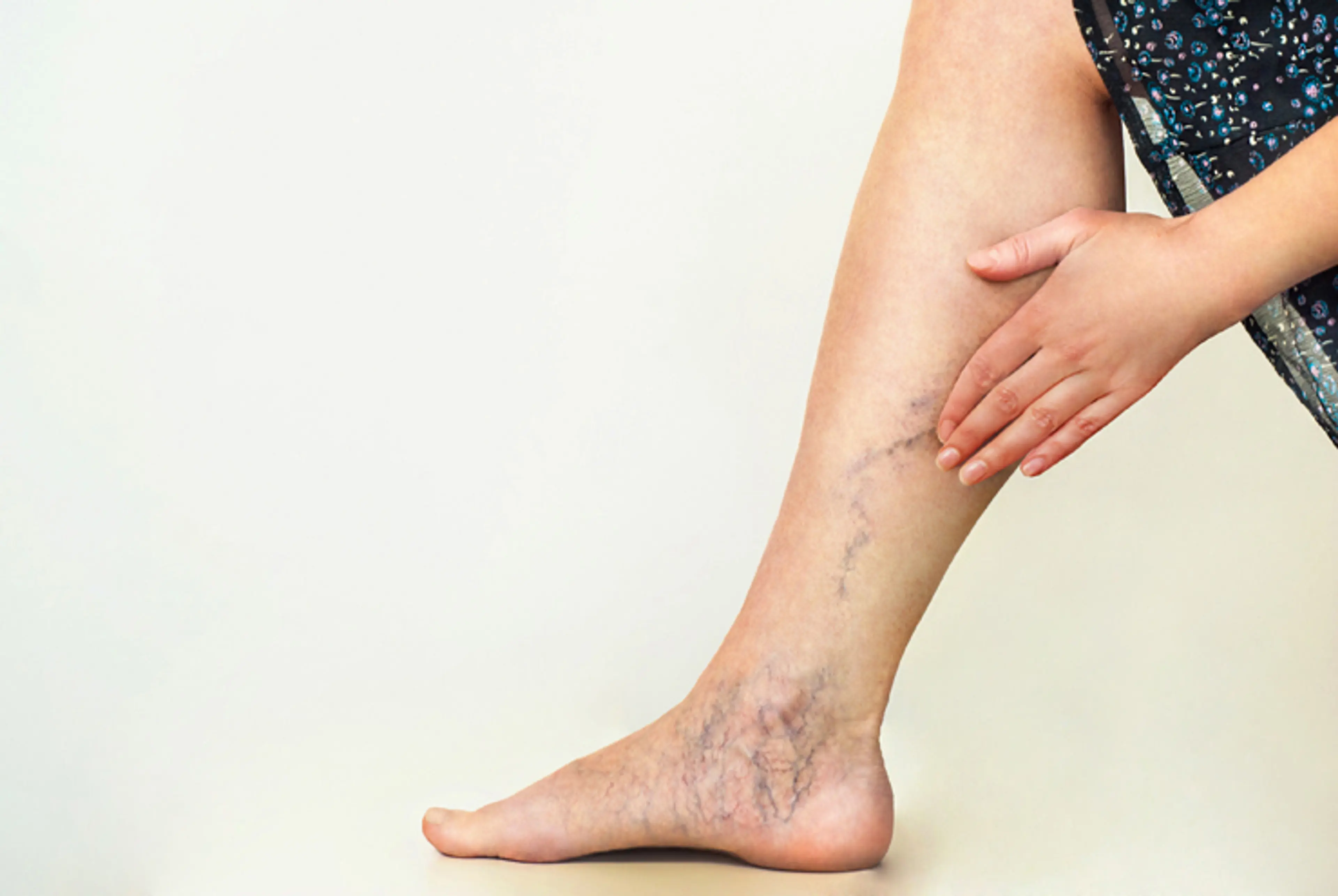
Before we dive into the postpartum connection, a quick refresher. Varicose veins are enlarged, twisted veins — usually in the legs — that occur when the valves inside them weaken or fail. Normally, these tiny valves help blood flow upward toward the heart. When they malfunction, blood pools, causing pressure to build. Over time, the veins become visibly swollen or rope-like.
They’re like traffic jams in your leg veins — except instead of cars, it’s blood getting stuck.
During pregnancy, a woman’s body undergoes dramatic changes to support the growing fetus — hormonally, physically, and vascularly. Some of these changes put direct stress on the venous system:
Pregnancy increases levels of progesterone, which relaxes the walls of blood vessels — a helpful adaptation for carrying extra blood volume. But that same softening can make the veins more prone to stretching and valve dysfunction.
It’s like loosening a garden hose: easier for water to flow, but also easier to bulge.
This effect can be particularly pronounced in women with a family history of varicose veins or who have naturally weaker vein walls due to connective tissue disorders. In Korean patients, where preventative health practices are strong, these hormonal shifts are often underestimated — especially when cosmetic concerns are culturally internalized or overlooked until discomfort arises.
By the third trimester, a pregnant woman’s blood volume increases by nearly 50%. That extra blood has to go somewhere — and much of it pools in the lower half of the body due to gravity. This can overwhelm the veins in the legs and pelvis, especially if there’s already a genetic predisposition.
The added volume doesn't dissipate immediately after birth — and in some women, this lingering vascular load contributes to the persistence or appearance of varicose veins even after delivery.
As the uterus expands, it presses on the inferior vena cava (a large vein that returns blood from the lower body to the heart). This creates a “back-up” effect, especially in the legs and pelvic veins.
The compression is especially prominent when lying flat or sitting for long periods, which is why many pregnant women feel leg heaviness when resting — and why many new moms experience delayed vein discomfort once they’re on their feet more often postpartum.
Here’s something that often gets overlooked: the act of pushing during vaginal delivery involves bearing down intensely — increasing intra-abdominal pressure, sometimes for hours. This can damage already strained vein valves, or worsen small venous issues that began during pregnancy.
Cesarean deliveries aren’t immune either. The sudden changes in abdominal pressure and fluid shifts post-surgery can also strain the venous system — just in a different physiological way.
So why do some women only notice these veins post-delivery, even if pregnancy didn’t seem to cause any?
Even if veins held up during pregnancy, the cumulative pressure may have damaged the valves. After delivery, with hormone levels dropping and circulation rebalancing, the underlying issues become more visible. It’s like cracks in a wall that only appear once the scaffolding is removed.
Many new moms are up on their feet more, carrying babies, pacing the house, or resuming workouts. That return to mobility can make pre-existing vein weakness more obvious.
Some patients even notice symptoms worsen after resuming light jogging or yoga — activities that require leg strength but may not consider underlying vein health.
Ironically, the swelling during pregnancy can “hide” varicose veins. Once the swelling goes down after delivery, the veins can become more visible — and more symptomatic.
Postpartum fluid shifts — including the diuresis that occurs within the first few weeks — can suddenly “reveal” veins that were compressed or hidden during pregnancy.
Aching or heaviness in the legs
Swelling, especially by the end of the day
Restless legs or burning sensations
Skin changes (darkening, dryness) near the ankles
In rare cases, leg ulcers or superficial thrombophlebitis (vein inflammation)
We often meet women 3–12 months after childbirth who say, “I thought the veins would go away on their own, but they’re still here — and getting worse.”
Some even bring their mothers or aunts, saying, “She had them too.” This hereditary link is real — genetics play a strong role in vein health. But here’s the good news: modern vascular treatments are nothing like the painful vein-stripping surgeries of the past.
These procedures are done in less than an hour, require no general anesthesia, and allow you to walk out the same day. We often schedule treatments around a new mom’s breastfeeding or childcare routine — our team understands the rhythm of postpartum life.
But let’s be honest: when you’re managing a newborn, self-care often takes a backseat. That’s why persistent symptoms deserve professional attention.
Consider getting evaluated if:
You’re planning another pregnancy and want to reduce risk or treat symptoms in advance
Postpartum varicose veins are more than just a cosmetic issue — they’re your body’s signal that something deeper in your circulation may need attention. Left untreated, they can develop into long-term venous problems that impact your daily comfort and mobility.