Introduction to Arteriovenous Fistula (AVF) Creation
introduction-to-arteriovenous-fistula-(avf)-creationFor individuals with end-stage renal disease (ESRD) or chronic kidney disease (CKD), dialysis becomes a life-saving necessity. Dialysis is a medical procedure that removes waste and excess fluids from the blood when the kidneys can no longer perform these functions. One of the most critical aspects of dialysis treatment is having a reliable and accessible method for blood flow – this is where the creation of an Arteriovenous Fistula (AVF) plays a vital role.
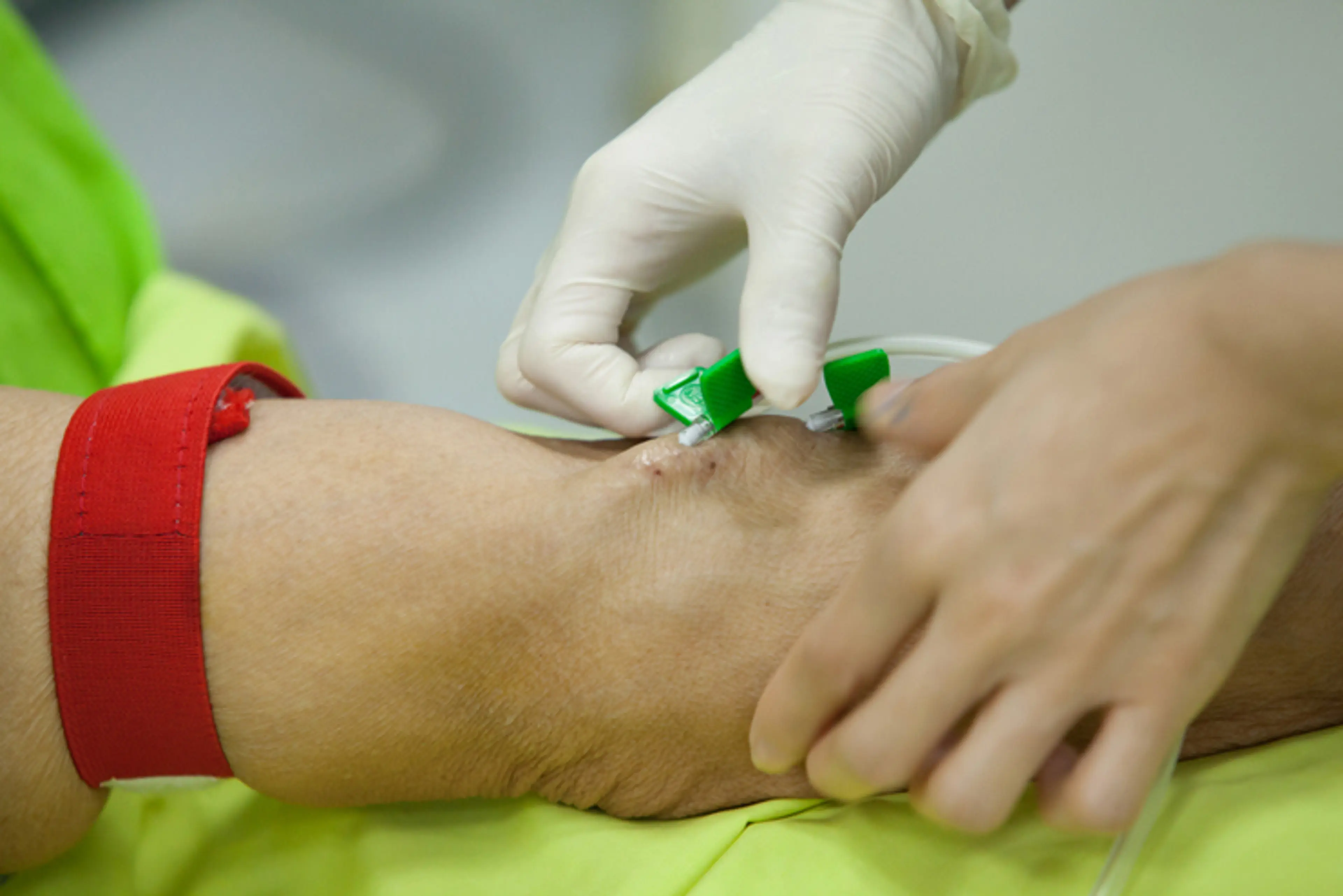
An AVF is a surgically created connection between an artery and a vein, designed to provide reliable and durable vascular access for hemodialysis patients. The procedure is a cornerstone in renal care, ensuring that patients can undergo dialysis efficiently. At Charm Vascular Clinic, we specialize in AVF creation, offering our patients cutting-edge treatment options and the expertise of highly skilled vascular surgeons. This article will explore the process of creating an AVF for dialysis, the benefits, and why it is considered the gold standard for vascular access.
Understanding Dialysis and Its Necessity
understanding-dialysis-and-its-necessityDialysis is a crucial treatment for individuals with kidney failure, where the kidneys lose their ability to filter waste and excess fluid from the blood. The two primary forms of dialysis are hemodialysis and peritoneal dialysis, but for many patients, hemodialysis is the most common form. Hemodialysis requires a stable and reliable vascular access to allow blood to flow in and out of the body during the treatment.
For hemodialysis, the
arteriovenous fistula (AVF) has become the preferred method of vascular access due to its long-term effectiveness and reduced risk of complications. Unlike temporary dialysis catheters, an AVF provides a more natural and long-lasting solution by creating a direct connection between an artery and a vein.
The importance of AVF creation lies in its ability to provide a high-flow access site, which is essential for the efficiency of hemodialysis. This method is favored over other vascular access techniques like grafts or catheters due to its lower risk of infection and clotting, as well as its superior functionality for long-term dialysis needs.
What Is an Arteriovenous Fistula (AVF)?
what-is-an-arteriovenous-fistula-(avf)An Arteriovenous Fistula (AVF) is a surgically created connection between an artery and a vein, typically in the arm. This connection allows blood to flow directly from the artery into the vein, increasing the size and strength of the vein. Over time, this makes the vein ideal for hemodialysis, providing a high-flow access point for the dialysis machine to draw blood and return it to the body.
The AVF creation procedure is generally performed under local anesthesia, making it a minimally invasive surgery. The surgeon carefully identifies suitable blood vessels, usually in the arm, and then connects the artery to the vein. The vein undergoes a process called "maturation," where it becomes stronger and larger, allowing it to handle the higher blood flow required for dialysis.
Key benefits of AVF creation include:
Long-Term Durability: AVFs can last for years, reducing the need for repeated procedures.
Low Risk of Infection: Unlike dialysis catheters, AVFs have a lower risk of infection, making them a safer option.
Lower Risk of Clotting: AVFs tend to have a lower rate of clot formation compared to other dialysis access methods.
Better Blood Flow: Due to the direct connection between the artery and the vein, the AVF allows for more efficient blood flow, essential for effective dialysis.
Choosing an AVF over other options significantly improves the patient's quality of life and the overall dialysis experience.
Why AVF is the Preferred Access Option for Dialysis
why-avf-is-the-preferred-access-option-for-dialysisCreating an arteriovenous fistula (AVF) for dialysis is often the gold standard for vascular access due to its long-term benefits. Many dialysis patients and healthcare providers prefer AVFs over other dialysis access methods, such as catheters or grafts. Here’s why:
Durability: An AVF is designed to last for years, with proper care and monitoring, ensuring long-term dialysis access. This is a critical factor for patients who need to undergo dialysis regularly, sometimes for the rest of their lives.
Lower Risk of Infection: Unlike dialysis catheters, which are inserted into the bloodstream and increase the risk of infections, an AVF is created within the body and generally carries a much lower risk. Infection is one of the most serious complications of dialysis, and reducing this risk is paramount.
Lower Risk of Clotting: AVFs are also less likely to develop blood clots compared to grafts or catheters. Clotting can lead to complications that require additional procedures, thus increasing the burden on the patient.
Improved Blood Flow: The fistula allows for faster blood flow, which is essential for effective dialysis. A well-functioning AVF can deliver the necessary flow rates that dialysis machines require to remove waste products from the blood efficiently.
Cost-Effectiveness: Due to its longevity and lower complication rates, an AVF often proves to be more cost-effective in the long run compared to other access methods, such as dialysis catheters or grafts.
While the creation of an AVF is not suitable for every patient (due to factors like vein health or other medical conditions), it remains the preferred method for most individuals undergoing hemodialysis. The procedure is well-established and has proven to be safe and effective for the vast majority of patients.
At Charm Vascular Clinic, our experienced team of vascular surgeons performs AVF surgeries using the latest techniques and advanced technologies, ensuring the best outcomes for our patients. The clinic is committed to providing high-quality, personalized care throughout the entire process—from initial consultation to post-surgical recovery.
Pre-Surgical Assessment for AVF Creation
pre-surgical-assessment-for-avf-creationBefore undergoing the procedure to create an Arteriovenous Fistula (AVF), a thorough pre-surgical assessment is crucial. This evaluation helps the vascular surgeon determine the suitability of a patient for AVF creation based on their specific health condition and vascular anatomy.
At Charm Vascular Clinic, our expert team conducts a series of assessments to ensure that the patient is a suitable candidate for the procedure:
Ultrasound Evaluation: A vascular ultrasound is typically performed to assess the quality and size of the veins and arteries in the patient’s arms. The ultrasound helps the surgeon identify the best site for the fistula creation and determine if the patient’s veins are large and healthy enough for the procedure.
Vein Mapping: In addition to ultrasound, vein mapping is conducted to assess the course of the veins, ensuring there are no blockages, aneurysms, or other issues that could interfere with the creation of the fistula.
Physical Examination: A thorough physical exam helps the surgeon assess the patient’s overall vascular health. The surgeon checks for signs of underlying vascular conditions that could affect the success of the AVF surgery.
Medical History Review: The patient’s medical history, including any history of vascular diseases, prior surgeries, and medications, is reviewed to identify potential risks or complications. Conditions like diabetes or peripheral artery disease may affect the success of AVF creation.
Patient Consultation: After the assessments, the surgeon will discuss the procedure, potential risks, expected outcomes, and recovery process with the patient. This step ensures that the patient understands the procedure and is prepared for what lies ahead.
This comprehensive evaluation at Charm Vascular Clinic ensures the creation of an AVF with the highest chance of success, personalized to each patient's unique health profile.
The Step-by-Step Process of Creating an Arteriovenous Fistula
the-step-by-step-process-of-creating-an-arteriovenous-fistulaThe creation of an arteriovenous fistula (AVF) is a carefully planned surgical procedure that involves connecting an artery to a vein. This process is typically done in the arm and provides long-term access for dialysis. Here's a breakdown of the steps involved in creating an AVF:
Anesthesia: The procedure is generally performed under local anesthesia, meaning the patient remains awake but the area around the incision is numbed to ensure comfort. In some cases, sedation may also be used to relax the patient.
Incision and Exposure: The surgeon makes a small incision in the arm to expose the chosen artery and vein. The blood vessels are carefully located using a combination of ultrasound guidance and physical palpation.
Connecting the Artery and Vein: The surgeon creates a direct connection between the artery and the vein, typically in the forearm or upper arm. This is done by carefully stitching the artery to the vein, ensuring that the connection is secure.
Closing the Incision: After the artery and vein have been successfully connected, the incision is closed with stitches. The area is cleaned, and the surgical site is bandaged.
Post-Surgery Monitoring: After the procedure, the patient is monitored for a few hours to ensure there are no immediate complications, such as excessive bleeding or signs of infection.
The AVF creation surgery typically takes between one to two hours. Most patients can go home the same day, though they will need to follow strict post-operative care instructions to ensure proper healing.
At Charm Vascular Clinic, our experienced team of vascular surgeons ensures that each step of the procedure is performed with the utmost care and precision, ensuring the best possible outcomes for our patients.
Post-Surgical Recovery and Monitoring
post-surgical-recovery-and-monitoringRecovery after AVF creation is generally straightforward, but patients need to follow specific guidelines to ensure proper healing and prevent complications. Here's what patients can expect after their surgery:
Initial Recovery: Most patients are able to go home the same day as the procedure. The surgical site will be bandaged, and patients are advised to rest and avoid strenuous activities for the first few days.
Pain Management: Mild discomfort or soreness around the surgical site is common in the days following the surgery. Over-the-counter pain medications are usually sufficient to manage any discomfort. Patients are instructed to avoid taking non-steroidal anti-inflammatory drugs (NSAIDs) like ibuprofen, as these can increase the risk of bleeding.
Wound Care: Proper wound care is essential to prevent infection. The patient will be given instructions on how to clean and dress the surgical site. It’s important to keep the area dry and clean until it has fully healed.
Follow-Up Appointments: Patients will need to return for follow-up visits at Charm Vascular Clinic to ensure the AVF is maturing properly. During these visits, the surgeon will monitor the site for any signs of complications, such as infection or clotting. Regular checks are also performed to assess blood flow through the AVF.
Maturation of the AVF: The fistula requires time to mature before it can be used for dialysis. This process can take anywhere from 4 to 8 weeks, during which the vein gradually enlarges and strengthens. In some cases, the maturation process may take longer, especially if the patient has underlying vascular conditions. During this time, the patient will undergo regular checkups to monitor progress.
The Maturation Process of an Arteriovenous Fistula
the-maturation-process-of-an-arteriovenous-fistulaThe maturation of an arteriovenous fistula (AVF) is a critical phase after the creation of the fistula. For the AVF to be used effectively for dialysis, the vein must undergo changes to accommodate the higher blood flow required for hemodialysis. Here's how the maturation process works:
Enlargement of the Vein: After the surgery, the vein becomes more pronounced and strong. This happens as the artery’s higher pressure forces blood into the vein, causing it to enlarge and thicken over time.
Monitoring During Maturation: During this period, patients need to have regular check-ups with their vascular surgeon to ensure the AVF is maturing properly. The surgeon will check the site for signs of complications such as narrowing (stenosis), clot formation, or infection.
Assessing Blood Flow: Ultrasound or physical examination may be used to assess the blood flow through the fistula. The blood flow must be adequate for dialysis, and any issues with blood flow (such as clotting or narrowing) will be addressed promptly.
When Can Dialysis Begin?: The AVF is typically ready for use when the vein has matured enough to handle the necessary blood flow for hemodialysis. This generally takes 4 to 8 weeks, but it can vary depending on the individual patient.
At Charm Vascular Clinic, we ensure that our patients receive the best possible care during the maturation phase. Our team carefully monitors progress and provides guidance to ensure the AVF is ready for use when the time comes.
Potential Risks and Complications of AVF Surgery
potential-risks-and-complications-of-avf-surgeryWhile Arteriovenous Fistula (AVF) creation is generally considered safe and highly effective for dialysis access, like any surgical procedure, it carries potential risks and complications. Understanding these risks is important for patients to make informed decisions and to manage expectations.
Here are some common risks and complications associated with AVF creation:
Infection: Although the AVF surgery itself is typically performed under sterile conditions, there is always a small risk of infection. Patients are advised to carefully follow aftercare instructions to minimize this risk. Signs of infection include redness, swelling, and increased warmth around the surgical site.
Thrombosis (Blood Clots): One of the most common complications of AVF is thrombosis, or the formation of blood clots within the fistula. If a clot forms, it can obstruct the blood flow through the AVF, potentially rendering it unusable. Blood thinners may be prescribed to help reduce the risk of clot formation, and patients are closely monitored for signs of clotting.
Stenosis (Narrowing of the Vein): The vein may become narrowed over time, either at the point of the connection or further down the vessel. This can reduce the flow of blood through the AVF and hinder its effectiveness for dialysis. Regular monitoring and early intervention can prevent severe narrowing.
Aneurysm Formation: In rare cases, a bulge or aneurysm can form in the vein at the site of the fistula. This can cause discomfort and may need to be surgically repaired.
Bleeding: Although uncommon, bleeding can occur after AVF creation. This may happen if the surgical site does not heal properly or if there is excessive strain on the area. Applying pressure to the site and following aftercare instructions can minimize the risk of bleeding.
Failure of Maturation: In some cases, the AVF may fail to mature properly, meaning that the vein does not enlarge or strengthen enough for effective dialysis. This can result in the need for additional procedures or alternative access options like a dialysis catheter or graft.
To minimize these risks, Charm Vascular Clinic employs a highly skilled team of vascular surgeons who specialize in AVF creation and provide ongoing care to ensure the best possible outcomes. Patients are educated about the risks and instructed on how to care for their AVF post-surgery.
The Role of Vascular Surgeons in AVF Creation
the-role-of-vascular-surgeons-in-avf-creationCreating a successful Arteriovenous Fistula (AVF) requires a highly skilled vascular surgeon with expertise in vascular surgery. Vascular surgeons are specialists trained in diagnosing and treating conditions of the blood vessels, and their role is critical in the success of AVF creation.
Here’s why choosing a skilled vascular surgeon is so important:
Precision and Expertise: Vascular surgeons have extensive training in the anatomy of veins and arteries, and they understand how to manipulate blood vessels to create the most functional and long-lasting AVF. They also know how to avoid common pitfalls during surgery, ensuring the best outcome for the patient.
Minimally Invasive Techniques: Many vascular surgeons, including those at Charm Vascular Clinic, specialize in minimally invasive techniques that reduce recovery time and improve outcomes. By using advanced imaging and surgical techniques, these surgeons can create an AVF with smaller incisions, reducing the risk of complications.
Personalized Care: Vascular surgeons assess each patient individually, considering factors such as vein health, overall health, and the specific requirements for dialysis access. They develop a personalized treatment plan tailored to the patient's needs and ensure that the AVF creation procedure is the most appropriate option.
Long-Term Management: After AVF creation, vascular surgeons continue to play a critical role in monitoring the success of the procedure. They perform regular check-ups to ensure the AVF is maturing properly, and they intervene promptly if there are any issues such as clotting or narrowing.
At
Charm Vascular Clinic,
Dr. Insoo Park and our team of expert vascular surgeons specialize in AVF creation and other dialysis access options. With years of experience and a commitment to patient-centered care, our surgeons ensure that every patient receives the highest quality of treatment.
Why Choose Charm Vascular Clinic for AVF Creation?
why-choose-charm-vascular-clinic-for-avf-creationWhen it comes to Arteriovenous Fistula (AVF) creation, Charm Vascular Clinic stands out as a leader in the field. Our clinic is known for its expertise in vascular surgery, particularly in the creation of AVFs for dialysis patients. Here’s why patients trust Charm Vascular Clinic for their AVF surgeries:
Expertise of Dr. Insoo Park and Our Skilled Team: Led by Dr. Insoo Park, a highly distinguished vascular surgeon, Charm Vascular Clinic has a team of specialists who are skilled in the most advanced techniques for AVF creation. Dr. Park’s extensive training, along with his dedication to providing high-quality care, ensures that every patient receives the best possible treatment.
Comprehensive, Personalized Care: From the initial consultation to post-surgical recovery, Charm Vascular Clinic offers a comprehensive and personalized approach to patient care. Our team takes the time to thoroughly assess each patient’s vascular health and customize the AVF creation procedure to meet their individual needs.
State-of-the-Art Technology: At our clinic, we utilize the latest diagnostic tools, including advanced vascular ultrasound and imaging technologies, to ensure the most precise assessment and creation of the AVF. These technologies help minimize surgical risks and improve outcomes.
Patient-Centered Approach: We prioritize patient comfort and safety throughout the entire process. From pre-surgical assessments to post-operative care, our team ensures that patients are fully informed and supported every step of the way. We understand the emotional and physical challenges that come with dialysis, and we are dedicated to improving the quality of life for our patients.
Proven Track Record: With over 30,000 patients treated and more than 2,000 vascular surgeries performed annually, Charm Vascular Clinic has a proven track record of successful outcomes. Our expertise and experience ensure that each patient receives the highest standard of care, leading to positive results and long-term dialysis success.
Choosing
Charm Vascular Clinic for your AVF creation procedure means choosing a team of professionals dedicated to delivering the best care possible. With our advanced techniques, cutting-edge technologies, and patient-centered approach, we make sure your dialysis access needs are met with the utmost care and precision.
Conclusion
conclusionThe Arteriovenous Fistula (AVF) is undoubtedly one of the most important advancements in the treatment of kidney failure. As the gold standard for dialysis access, the AVF provides long-term, reliable access for patients undergoing hemodialysis. Its durability, low risk of infection, and low rates of clotting make it the preferred option for most patients with end-stage renal disease.
Creating an AVF requires careful surgical planning, precision, and expertise, all of which are provided by the dedicated team at Charm Vascular Clinic. Through our advanced techniques, personalized care, and commitment to patient safety, we ensure that each patient has the best chance of successful AVF creation and optimal dialysis treatment.
If you are considering dialysis or need to learn more about your options for dialysis access, Charm Vascular Clinic is here to help. Our team of experts will guide you through the entire process, from pre-surgical assessments to post-surgical care, ensuring the best possible outcomes for your health.
To learn more about AVF creation or to schedule a consultation, contact Charm Vascular Clinic today. We’re here to help you navigate the path to better vascular health and improved quality of life.