Home / Specialties
Dialysis Vascular Access
Home / Specialties
Dialysis Vascular Access
Dialysis vascular access in vascular surgery refers to procedures that create or maintain a reliable connection between the bloodstream and a dialysis machine for patients who require hemodialysis. Because dialysis depends on consistent blood flow, the quality and durability of vascular access are critical to treatment safety and effectiveness.
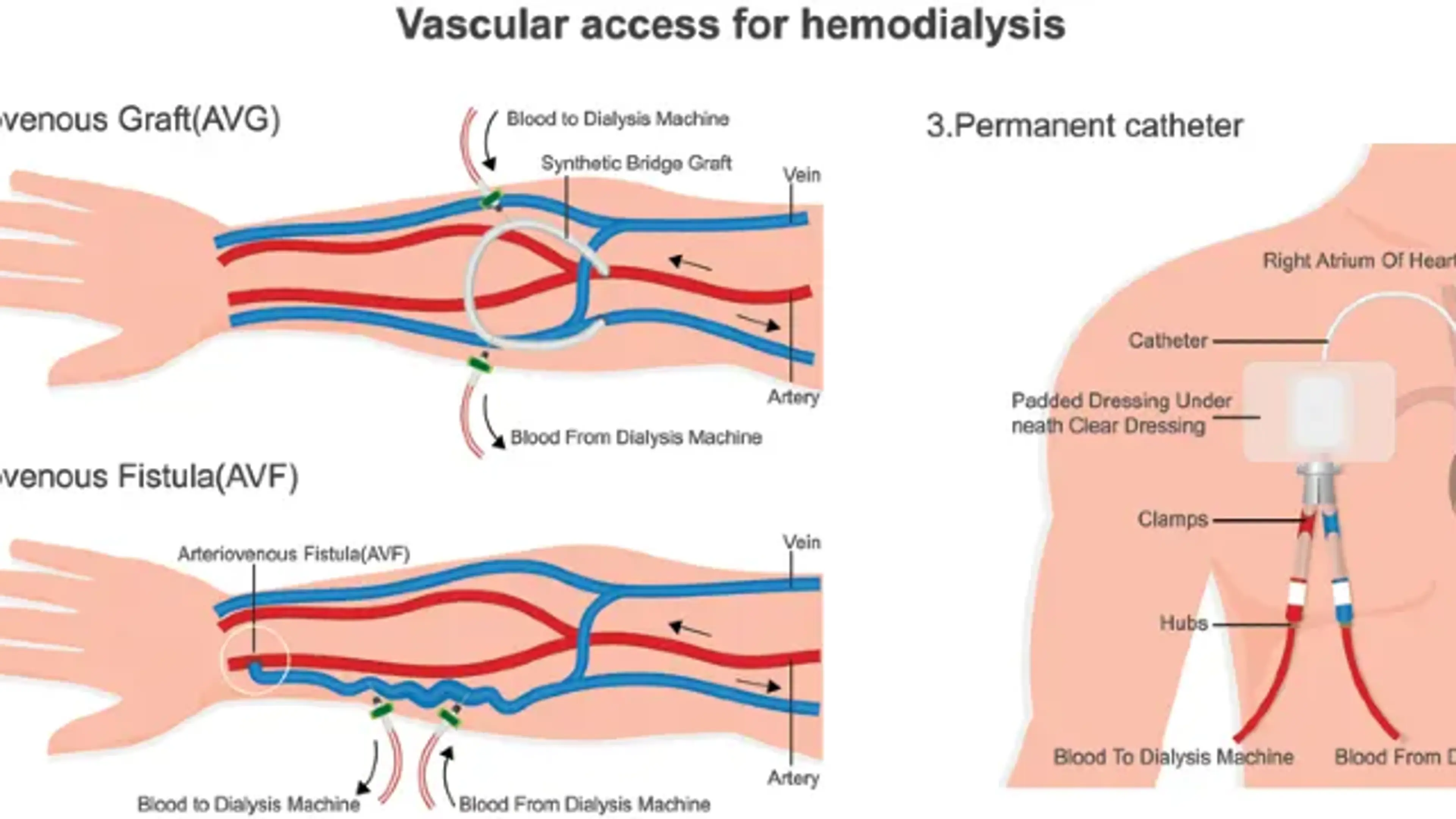
Based strictly on the provided clinical scope, dialysis vascular access care at Charm Vascular Clinic includes arteriovenous fistula creation, arteriovenous graft placement, and AngioJet procedures. These approaches are designed to establish or restore access pathways that allow repeated dialysis sessions without compromising circulation.
Unlike temporary access methods, surgical dialysis vascular access focuses on creating long-term solutions using the patient’s own blood vessels or graft materials. Minimally invasive techniques such as AngioJet are used when access function is compromised, helping address blockages while preserving existing access whenever possible.
Patients requiring dialysis vascular access often face ongoing concerns about access failure, clotting, or insufficient blood flow during dialysis sessions. Many worry about repeated procedures, interruptions to dialysis schedules, or discomfort related to access complications.
At Charm Vascular Clinic, patients are reassured that dialysis vascular access management is a dedicated area of vascular surgery. The clinic focuses on careful planning, procedural precision, and patient education to reduce uncertainty and support consistent dialysis care.
Advanced dialysis vascular access treatment combines surgical creation of new access sites with minimally invasive techniques to manage complications. Through AVF creation, AVG placement, and AngioJet procedures, the clinic addresses both initial access needs and access maintenance challenges. Each step is guided by vascular specialists who understand the importance of reliable access for long-term dialysis and overall patient well-being.
Charm Vascular Clinic is a strong choice for dialysis vascular access care because these procedures are delivered within a specialized vascular surgery setting focused on access durability, safety, and continuity of dialysis treatment.
Choosing a clinic for dialysis vascular access requires trust in surgical expertise, precision, and long-term care planning. Charm Vascular Clinic offers focused vascular surgery services dedicated to dialysis access creation and maintenance.
Patients choose Charm Vascular Clinic for dialysis vascular access because it combines vascular surgery expertise with patient-centered care focused on reliable, long-term dialysis support.
Dr. Sujin Park Vascular & Hematology Specialist | Dr. Insoo Park Director & Vascular Surgery specialist | Dr. Junsung Kwon Representative Director & Hematology Specialist |
Dialysis vascular access care at Charm Vascular Clinic is led by a team of experienced vascular surgery specialists dedicated to supporting patients who require ongoing hemodialysis.
The team shares a patient-centered, evidence-based care philosophy that prioritizes safe access creation, durability, and clear communication.
Charm Vascular Clinic supports international patients seeking dialysis vascular access procedures through structured coordination and clear communication. The clinic understands the complexity of managing dialysis needs while traveling for care.
International patients receive assistance with consultation scheduling and procedural planning to ensure continuity of dialysis access. Emphasis is placed on clarity, safety, and coordination with ongoing dialysis care.
From first contact through follow-up planning, Charm Vascular Clinic aims to provide a smooth and medically focused experience for international patients.
A patient requiring long-term hemodialysis was referred for vascular evaluation to establish reliable dialysis access. After careful assessment of vascular history and access needs, arteriovenous fistula creation was recommended. The procedure was completed as planned, and structured follow-up visits focused on monitoring fistula maturation, blood flow adequacy, and overall access readiness. Through ongoing evaluation and guidance, the access progressed appropriately, allowing preparation for safe and effective dialysis use without interruption to care.
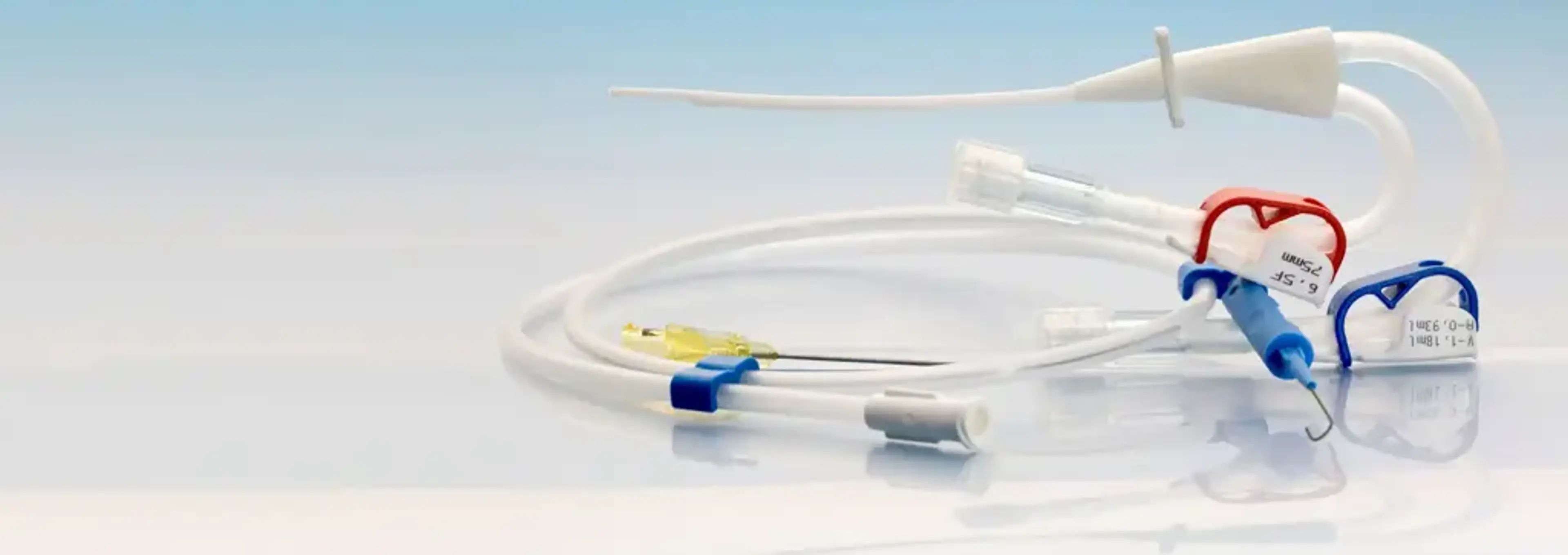
An individual undergoing dialysis experienced reduced access flow that raised concerns about clot-related obstruction. Following clinical evaluation, an AngioJet procedure was performed to address the issue and restore access function. Post-procedure follow-up emphasized monitoring blood flow, access stability, and dialysis performance. This approach supported continued use of the existing dialysis access while helping the patient maintain their regular dialysis schedule with close vascular oversight.
These examples reflect typical care pathways and do not imply guaranteed outcomes.
The dialysis vascular access process begins with a detailed consultation focused on understanding the patient’s dialysis requirements, vascular history, and current access condition. During this visit, the vascular surgeon carefully reviews prior dialysis access use, any past complications, and current symptoms related to access performance. A focused clinical evaluation is performed to assess vessel suitability and overall access readiness. Based on these findings, the surgeon explains whether arteriovenous fistula (AVF) creation, arteriovenous graft (AVG) placement, or an access-related intervention is the most appropriate next step. Patients are encouraged to ask questions so they can clearly understand their access options and the reasoning behind each recommendation.
Following the evaluation, a personalized dialysis access plan is developed to match the patient’s clinical needs and dialysis schedule. This plan may involve AVF creation, AVG placement, or AngioJet procedures to address access-related concerns. The selected approach is explained in detail, including its purpose, expected function, and what the patient can anticipate before and after the procedure. Clear guidance is provided to help patients prepare with confidence.
After the procedure, structured follow-up visits focus on access healing, function, and readiness for ongoing dialysis use. Ongoing monitoring supports early identification of issues and helps maintain reliable, long-term dialysis access while prioritizing patient safety and continuity of care.
If you require reliable dialysis vascular access or are experiencing access-related concerns, specialized vascular surgery care is essential. Charm Vascular Clinic offers AVF creation, AVG placement, and AngioJet procedures focused on safe, durable dialysis access. By contacting the clinic, you can connect with an experienced care team who will guide you through evaluation, procedural planning, and follow-up with clarity and professionalism.