Introduction to Dialysis and Infection Risks
introduction-to-dialysis-and-infection-risksDialysis is a life-saving treatment for patients with advanced kidney failure, allowing them to remove waste products and excess fluids when the kidneys no longer function adequately. Whether undergoing hemodialysis or peritoneal dialysis, patients rely on access sites to make the treatment possible. These access points—AV fistulas, grafts, or catheters—are essential, but they also represent potential gateways for infection.
Infections related to dialysis access sites are among the most frequent and serious complications for dialysis patients. Bacterial infections can lead to pain, fever, hospital stays, and even life-threatening sepsis. According to the Centers for Disease Control and Prevention (CDC), bloodstream infections associated with dialysis are a major cause of hospitalization and increased mortality among patients with end-stage renal disease.
Fortunately, many of these infections are preventable through proper hygiene, daily care, and close monitoring. This article provides practical, medically sound, and patient-friendly guidelines on how to care for your dialysis access site to prevent infection—and protect your health.
Understanding the Different Types of Dialysis Access Sites
understanding-the-different-types-of-dialysis-access-sitesBefore diving into care techniques, it's essential to understand the types of dialysis access points. Each one requires a unique approach to hygiene and maintenance:
Arteriovenous (AV) Fistula: This is the most preferred long-term access for hemodialysis. A surgeon connects an artery to a vein in the arm, creating a strong and reliable blood flow. AV fistulas are less likely to become infected compared to other types, but they still require daily cleaning and monitoring.
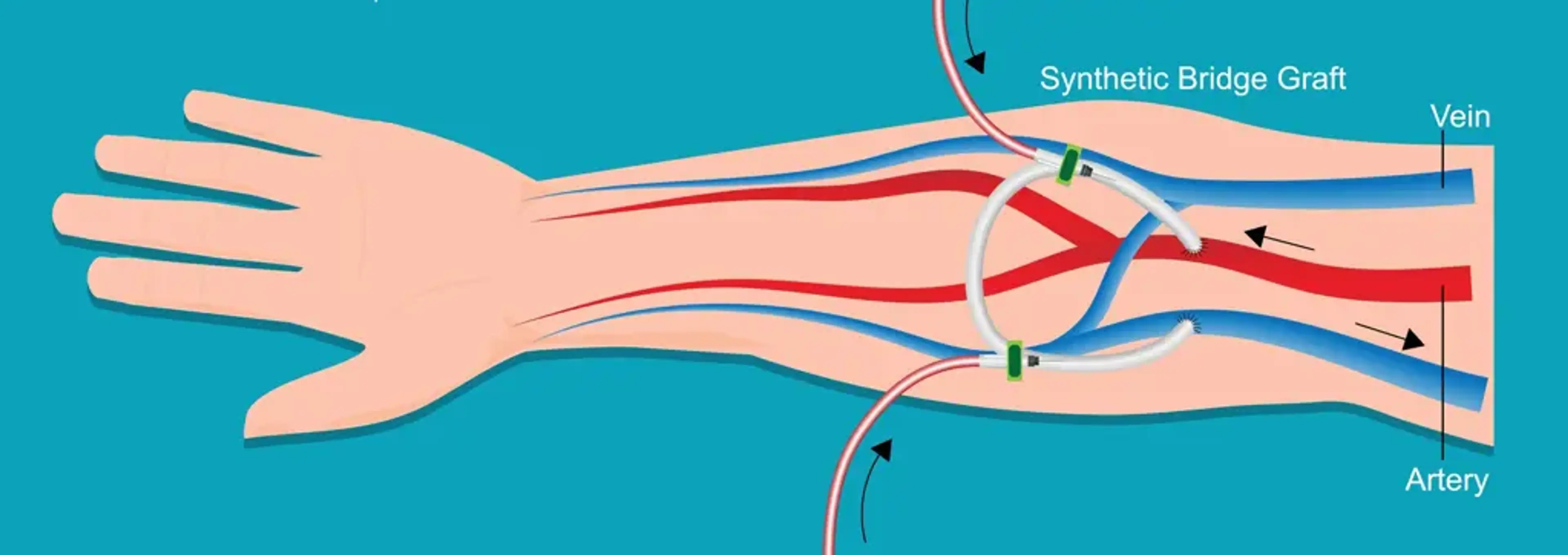
Arteriovenous (AV) Graft: Used when veins are not suitable for a fistula, a synthetic tube connects the artery and vein. While easier to use sooner than a fistula, AV grafts carry a slightly higher risk of infection and clotting.
Central Venous Catheter (CVC): Often used as a temporary access, this flexible tube is inserted into a large vein (usually in the neck or chest). It provides immediate access but has the highest risk of infection due to its location and constant exposure.
Peritoneal Dialysis Catheter: For patients on peritoneal dialysis, a catheter is surgically placed into the abdominal cavity. This site also requires meticulous daily care to prevent peritonitis, a serious abdominal infection.
Knowing your access type helps you understand the specific care it needs—and why following your care routine is so important.
Why Dialysis Access Site Care is Critical
why-dialysis-access-site-care-is-criticalYour dialysis access site is your lifeline. It enables the removal of toxins and fluids that your kidneys can no longer manage. But this critical point can also become a vulnerability if not properly cared for.
Without proper hygiene and maintenance, bacteria and other pathogens can enter the bloodstream or abdominal cavity, causing infections that lead to serious complications. Infections not only disrupt your dialysis schedule but may also damage the access site permanently. This could result in the need for surgical revision or even the creation of a new access site entirely.
At Charm Vascular Clinic, our vascular specialists, including Dr. Insoo Park, emphasize the importance of vascular access maintenance to ensure long-term health and safety. Our team educates patients on infection prevention protocols and provides personalized care plans that include regular site evaluations, hygiene training, and timely interventions.
By practicing effective daily care, patients can minimize risks, avoid unnecessary hospital visits, and extend the life of their
dialysis access—ultimately improving treatment outcomes and quality of life.
Recognizing the Signs of Dialysis Access Site Infection
recognizing-the-signs-of-dialysis-access-site-infectionEarly detection of an infection can make the difference between a quick treatment and a medical emergency. That’s why it’s crucial to monitor your dialysis access site daily for any signs of trouble.
Here are the most common symptoms of a developing infection:
Redness or swelling around the access site.
Warmth to the touch or localized pain near the area.
Drainage or pus, especially if foul-smelling.
Fever or chills—especially if they occur during or shortly after dialysis.
Hardening or bulging around the fistula or graft.
Low blood flow during dialysis, which could signal a blockage or clot due to inflammation.
If you notice any of these signs, contact your dialysis center or healthcare provider immediately. At Charm Vascular Clinic, we urge patients never to wait when it comes to infection symptoms. Quick response allows for antibiotic treatment or minor interventions before more severe complications develop.
Daily Cleaning Routine for AV Fistula and AV Graft
daily-cleaning-routine-for-av-fistula-and-av-graftMaintaining cleanliness around your AV fistula or graft is one of the most effective ways to prevent infection. Dialysis patients should incorporate daily access site care into their routine, particularly on dialysis treatment days.
Here’s a simple step-by-step process to follow:
Wash your hands thoroughly with antibacterial soap before touching your access site.
Gently clean the area around the fistula or graft with mild soap and warm water. Use a clean, soft cloth or your hand—avoid abrasive sponges or brushes.
Rinse thoroughly and pat dry with a clean, dry towel. Never leave moisture around the access area, as this creates an ideal environment for bacteria.
Do not apply lotion, powder, or oils to the access site unless specifically directed by your healthcare provider.
On dialysis days, the access site should be disinfected using chlorhexidine or iodine-based antiseptics prior to needle insertion.
At Charm Vascular Clinic, we provide dialysis patients with a customized access care kit and demonstrate proper cleaning techniques to promote patient independence and confidence.
Dialysis Catheter and Central Line Infection Prevention
dialysis-catheter-and-central-line-infection-preventionDialysis catheters—especially central venous catheters (CVCs)—require the highest level of care due to their increased risk of infection. Because the catheter enters directly into a major vein, any bacteria introduced during handling can result in a bloodstream infection.
To reduce risk:
Always perform hand hygiene before handling or inspecting your catheter.
Keep the dressing clean, dry, and securely in place. Do not change the dressing yourself unless trained by your care team.
If the dressing becomes wet or loose, contact your dialysis center immediately for a replacement.
Use only sterile supplies for any catheter-related procedures. Never reuse cleaning pads or caps.
Never use scissors near the catheter to avoid accidental cuts or damage.
If you're on home dialysis, your team will train you in step-by-step care for dialysis catheters, including how to flush the line with saline or heparin as directed. Charm Vascular Clinic also conducts periodic assessments of catheter function to ensure continued safety and effectiveness.
Special Instructions for Peritoneal Dialysis Site Care
special-instructions-for-peritoneal-dialysis-site-carePatients receiving peritoneal dialysis have a catheter placed in their abdominal cavity. Since this type of dialysis is often performed at home, strict adherence to infection prevention practices is crucial to avoid peritonitis, a serious and potentially life-threatening complication.
Key guidelines for peritoneal dialysis care:
Always clean the skin around the exit site daily with antibacterial soap or antiseptic solution.
Gently pat the area dry with sterile gauze. Avoid rubbing.
Keep the site covered with a clean, dry dressing and change it according to your provider’s schedule.
Ensure your hands and equipment are sterile before starting any dialysis session.
Monitor for abdominal pain, fever, or cloudy dialysis fluid—signs that could indicate peritonitis.
Charm Vascular Clinic offers in-depth training and support for patients transitioning to home peritoneal dialysis, including instructions on how to reduce infection risk in peritoneal dialysis environments.
Common Mistakes That Increase Infection Risk
common-mistakes-that-increase-infection-riskDespite the best intentions, patients sometimes make simple mistakes that can have serious consequences. Recognizing and avoiding these behaviors can significantly improve your outcomes.
Top infection risk mistakes include:
Skipping hand hygiene: Touching your access site with unwashed hands introduces harmful bacteria.
Using non-sterile or expired supplies: Always check expiration dates and keep supplies sealed and clean.
Showering without protection: For catheter users, water exposure can introduce bacteria. Use waterproof covers and avoid submerging the site.
Wearing tight or dirty clothing over the access site: Friction and bacteria can increase risk, especially in warm or humid conditions.
Ignoring minor symptoms like mild redness or itching. These could be early warning signs of infection.
Charm Vascular Clinic educates every patient on these critical precautions. Our dedicated nursing team provides refresher sessions and access to safe dialysis practices, especially for those managing their care at home.
Safe Practices After Dialysis Sessions
safe-practices-after-dialysis-sessionsWhat you do after dialysis is just as important as what happens during treatment. Proper post-treatment care helps protect the access site and keeps infections at bay.
Here’s how to care for your access site after each session:
Leave the bandage on for at least a few hours after treatment. This allows the puncture site to seal and reduces bleeding risk.
Once the site is dry, gently remove the bandage, clean the area with mild soap and water, and pat it dry.
Avoid scratching or rubbing the area, even if it feels itchy. This can break the skin and introduce bacteria.
If you experience redness or swelling after dialysis, apply a cold compress and monitor for changes. Persistent symptoms should be reported to your care team.
Avoid heavy lifting or strenuous arm movements (for fistula or graft) for the first 24 hours.
At Charm Vascular Clinic, our nursing staff educates each patient on these steps as part of their post-treatment protocol. We believe empowering patients with the right knowledge leads to better outcomes and fewer complications.
Antibacterial Protocols and Products to Use
antibacterial-protocols-and-products-to-useIncorporating approved antiseptic techniques and products into your access site routine is key to preventing infection. These practices are recommended by global authorities such as the CDC and National Kidney Foundation.
Here’s what you should use and how:
Chlorhexidine: A powerful, broad-spectrum antiseptic commonly used to disinfect skin before catheter insertion. Available as pre-moistened pads or liquid solution.
Povidone-iodine: An alternative for patients sensitive to chlorhexidine. Effective in reducing skin bacteria before and after dialysis sessions.
Sterile saline solution: Used to flush dialysis catheters and prevent clot formation. Always follow dosage and frequency prescribed by your provider.
Antibiotic ointments: Only use if recommended by your healthcare provider. Overuse can promote resistant bacteria.
Daily care of dialysis access with the correct products helps reduce microbial buildup and supports healing. Patients at Charm Vascular Clinic receive a personalized access site care kit, complete with detailed instructions and high-quality antiseptics tailored to their specific dialysis access type.
Education and Support: Partnering with Your Care Team
education-and-support:-partnering-with-your-care-teamInfection prevention is not a solo journey—it’s a team effort. Your nephrologist, dialysis nurse, and vascular specialist are all key allies in protecting your access site.
At Charm Vascular Clinic, we believe in collaborative care:
Our staff provides one-on-one training on cleaning techniques, symptom recognition, and dressing changes.
Patients receive easy-to-follow instructions with illustrations to reinforce safe dialysis practices at home.
Our multilingual staff ensures that patients from diverse backgrounds fully understand their care routines.
During routine checkups, we conduct vascular access site assessments using Doppler ultrasound and physical inspection to ensure everything is functioning well.
By working together, you and your care team can create a personalized care routine that aligns with your lifestyle and treatment goals—while minimizing the chance of infection.
Preventive Monitoring and Early Intervention
preventive-monitoring-and-early-interventionPrevention doesn’t end with daily hygiene. Ongoing monitoring is a cornerstone of long-term dialysis access success. The sooner an issue is detected, the easier it is to treat.
Key components of preventive monitoring include:
Daily inspection of the access site for early signs of trouble.
Listening for the “thrill” (a gentle vibration in an AV fistula or graft) to ensure it’s working correctly.
Monthly ultrasound evaluations, especially for long-term dialysis patients, to assess blood flow and detect potential narrowing or blockages.
Laboratory tests to monitor for systemic infection or inflammation.
At Charm Vascular Clinic, we schedule regular follow-ups and imaging studies to catch problems before they escalate. Our team prioritizes early intervention—whether that means prescribing antibiotics, adjusting the dressing protocol, or performing minimally invasive procedures to restore blood flow.
Advanced Care at Charm Vascular Clinic
advanced-care-at-charm-vascular-clinicWhen it comes to vascular access care, Charm Vascular Clinic stands at the forefront of excellence. Located in Seoul, South Korea, the clinic has treated over 30,000 patients and performed more than 2,000 vascular procedures annually, earning its reputation as a regional leader in minimally invasive vascular care.
Dr. Insoo Park, the clinic’s Director and Lead Vascular Surgeon, is a recognized authority in
vascular access management. With years of hands-on experience and groundbreaking research in vascular health,
Dr. Park ensures that every patient receives treatment grounded in the latest evidence-based protocols. His work in vascular access techniques—including the use of ultrasound guidance, infection control strategies, and innovative closure methods—sets new standards in dialysis support care.
At Charm Vascular Clinic, patients benefit from:
Cutting-edge diagnostics such as real-time vascular ultrasound.
Safe, sterile environments for all access site evaluations and procedures.
Customized infection prevention plans tailored to each patient’s dialysis access type.
This commitment to safety and innovation makes Charm Vascular Clinic a trusted resource for patients across Korea and abroad.
Why Choose Charm Vascular Clinic for Dialysis Access Care
why-choose-charm-vascular-clinic-for-dialysis-access-careChoosing the right clinic for your vascular access care is a decision that directly affects your health and quality of life. At Charm Vascular Clinic, patients experience the difference from day one.
Here’s why we are consistently rated a top destination for dialysis access care:
Specialization in vascular health: From AV fistula creation to long-term catheter maintenance, we focus solely on vascular treatments.
Highly qualified team: Our vascular surgeons, dialysis nurses, and hematology specialists work collaboratively to provide seamless, comprehensive care.
Emphasis on infection prevention: We strictly follow global best practices, including CDC and KDOQI (Kidney Disease Outcomes Quality Initiative) guidelines.
Education-first approach: Patients leave our clinic empowered, with clear instructions, practical training, and ongoing support.
International recognition: As a Center of Excellence for VenaSeal™ and recipient of awards from the Asian Society for Vascular Surgery, our clinic is trusted by patients and professionals alike.
By choosing
Charm Vascular Clinic, you’re not just getting treatment—you’re gaining a long-term partner in your dialysis journey.
Conclusion
conclusionYour dialysis access site is more than just a medical entry point—it’s a lifeline that enables your treatment and sustains your health. Preventing infection through proper care, daily hygiene, early symptom recognition, and active communication with your care team can dramatically reduce complications and improve your quality of life.
Whether you have an AV fistula, graft, catheter, or peritoneal dialysis port, consistent and informed care is your first defense. Small actions—like washing your hands before touching your access site or changing dressings on schedule—can make a life-saving difference.
At Charm Vascular Clinic, we understand that patient confidence comes from education, support, and expert care. Our goal is to equip every dialysis patient with the tools, techniques, and reassurance they need to keep their access site healthy and infection-free. With over 30,000 patients served and global recognition for excellence, we are proud to stand by you on your dialysis journey.
Stay vigilant. Stay informed. And most importantly, know that you’re not alone. Charm Vascular Clinic is here to help you protect your access, your health, and your future—every step of the way.