Introduction
introductionFor individuals undergoing hemodialysis, maintaining a functional vascular access is vital. Over time, however, access sites—whether AV (arteriovenous) fistulas or grafts—may experience complications such as narrowing, clotting, or infection. This can lead to the need for a dialysis access revision, a medical intervention aimed at restoring the efficiency of the access so dialysis can continue safely and effectively.
Dialysis access revision involves repairing, modifying, or sometimes replacing the existing vascular access. It’s not an uncommon procedure; many dialysis patients will require some form of revision during their treatment journey. While the idea of undergoing another procedure may seem daunting, proper preparation can reduce anxiety, improve outcomes, and ensure continuity in dialysis care.
As medical technologies advance, revision procedures are becoming more precise, less invasive, and associated with quicker recoveries. In this article, we guide you through how to recognize when revision is necessary, what to expect during the process, and how to prepare—medically, mentally, and practically.
Understanding AV Fistulas and Grafts
understanding-av-fistulas-and-graftsTo grasp why access revision is sometimes necessary, it’s important to first understand the two primary types of vascular access used in hemodialysis: AV fistulas and AV grafts.
An
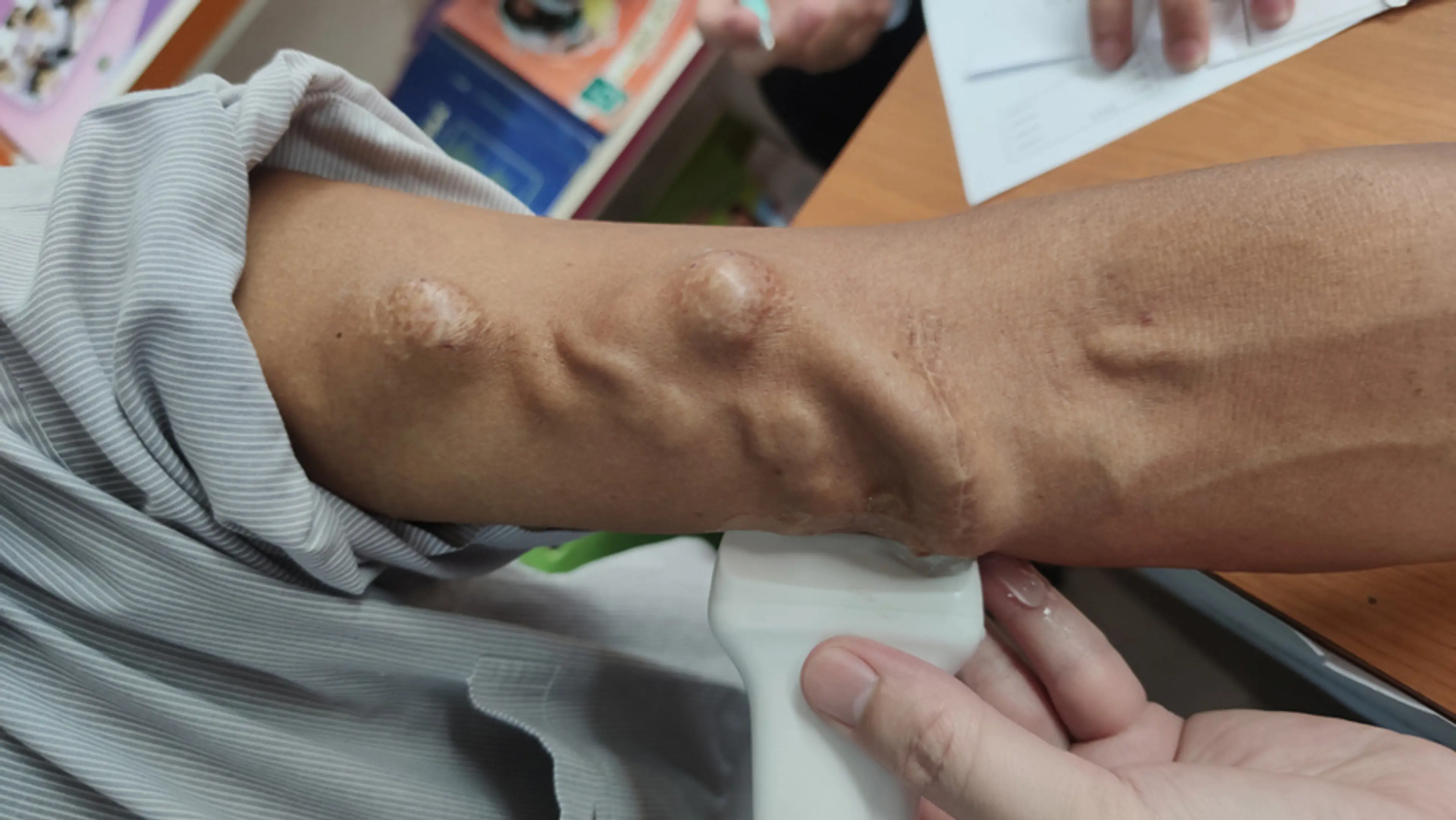
AV fistula is created by surgically connecting an artery to a vein, typically in the arm. This connection causes the vein to grow stronger and larger, making repeated needle insertions for dialysis feasible. Fistulas are preferred due to their longevity and lower risk of infection.
On the other hand, an
AV graft uses a synthetic tube to connect the artery and vein. This method is often used when a patient’s veins aren’t suitable for a fistula. While grafts allow for faster use post-surgery, they carry a higher risk of clotting or infection and may require more frequent interventions.
Over time, both fistulas and grafts can experience wear and tear. Repetitive needle punctures, scarring, and natural aging of the vessel walls may result in narrowed blood flow or complete blockage, necessitating a vascular access revision.
Common Signs That Revision Is Needed
common-signs-that-revision-is-neededTimely recognition of warning signs can prevent severe complications and improve outcomes for dialysis patients. Some common indicators that a dialysis access revision might be needed include:
Prolonged bleeding after dialysis needle removal.
Swelling or redness around the access site.
A weak or absent thrill (the vibrating sensation felt over a working fistula or graft).
Unusual pain or discomfort during dialysis sessions.
Poor dialysis performance noted by technicians or nephrologists.
Recurring infections or the presence of pus at the access site.
These signs may point to issues like fistula stenosis, graft thrombosis, or access site infection—conditions that require immediate attention. Ignoring these symptoms could lead to a complete access failure and even hospitalization.
Early consultation with a vascular surgeon or interventional radiologist can ensure that the right diagnostic tools are used to determine whether revision is necessary.
Diagnostic Tools Used Before Revision
diagnostic-tools-used-before-revisionBefore performing any dialysis access revision, doctors need to assess the extent and cause of the problem. This is where advanced diagnostic tools come into play.
One of the first steps is ultrasound vein mapping, a non-invasive imaging method used to evaluate the structure and flow dynamics of the access site. This helps identify narrowed areas (stenosis) or clots that may be impeding dialysis performance.
In many cases, a fistulogram or angiogram may be ordered. These imaging studies use contrast dye and X-ray to provide detailed views of the access and surrounding blood vessels, helping clinicians plan whether the patient needs an endovascular treatment (like balloon angioplasty or stenting) or open surgical revision.
Accurate diagnosis is crucial not only for treatment planning but also for minimizing patient risk and maximizing long-term access viability. At Charm Vascular Clinic, cutting-edge diagnostic imaging is used as standard protocol, ensuring that patients receive precise and individualized care.
Consulting a Vascular Surgeon
consulting-a-vascular-surgeonOnce the need for a dialysis access revision is confirmed, the next crucial step is consulting a vascular surgeon or an interventional radiologist who specializes in dialysis access procedures. Early consultation can dramatically improve outcomes by allowing enough time for comprehensive evaluation and planning.
During this appointment, your surgeon will review your imaging results, overall health status, and dialysis history. Be prepared to answer questions about your dialysis schedule, prior access surgeries, and any symptoms you’ve noticed. This dialogue helps your medical team decide whether a minimally invasive intervention or a more complex surgical approach is necessary.
It’s also the right time to ask questions, such as:
What kind of revision will be performed?
What are the risks and expected outcomes?
How long will recovery take?
Will I need to change my dialysis schedule?
At
Charm Vascular Clinic, consultations are conducted by highly experienced professionals like
Dr. Insoo Park, who ensure that patients receive clear explanations and compassionate care. Personalized treatment planning is a cornerstone of their approach.
Pre-Operative Evaluation and Planning
pre-operative-evaluation-and-planningProper preparation for your dialysis access surgery involves a detailed pre-operative evaluation. Your medical team will conduct a thorough review of your overall health, including:
Blood tests to check for clotting ability and infection.
Cardiac assessments if you have underlying heart disease.
Review of current medications, particularly blood thinners or immunosuppressants.
If you have chronic conditions such as diabetes, high blood pressure, or autoimmune diseases, these must be stabilized before surgery. Your dialysis team will work closely with your surgeon to schedule the revision procedure at a time that minimizes disruption to your regular treatment.
You may also be advised to stop eating or drinking a few hours before the procedure and adjust specific medications. It’s important to follow these instructions closely to reduce the risk of complications during and after the operation.
Charm Vascular Clinic uses comprehensive checklists to prepare patients for surgery safely and efficiently, giving special attention to those with complex medical needs.
Types of Dialysis Access Revision Procedures
types-of-dialysis-access-revision-proceduresThere is no one-size-fits-all approach to dialysis access revision. The type of procedure recommended will depend on the nature and location of the issue. Here are some of the most common interventions:
Surgical Revisions
surgical-revisionsAV fistula or graft revision involves surgically repairing narrowed or blocked sections.
Thrombectomy removes blood clots that have formed in the access site.
Bypass surgery may be performed to reroute blood flow around a blocked section.
Endovascular Treatments
endovascular-treatmentsBalloon angioplasty is often used to widen narrowed areas.
Stent placement helps keep previously treated areas open.
Thrombolysis involves breaking up clots using medication or mechanical devices.
In some cases, an entirely new access site may need to be created if the original one is no longer usable.
At Charm Vascular Clinic, minimally invasive options are prioritized whenever possible to reduce pain, shorten recovery time, and preserve existing vascular access sites.
Risks and Benefits of Revision Surgery
risks-and-benefits-of-revision-surgeryLike all medical procedures, dialysis access revision comes with both risks and benefits. Understanding these helps you make an informed decision.
Benefits:
benefits:Improved dialysis efficiency, which can enhance overall health and energy levels.
Prolonged use of the existing access, reducing the need for central venous catheters.
Reduced infection risk, especially if the revision addresses an infected graft or fistula.
Better quality of life, with fewer dialysis-related complications and hospitalizations.
Risks:
risks:Infection or bleeding at the surgical site.
Access failure, if the revised site does not function adequately.
Recurrence of stenosis or thrombosis, requiring additional interventions.
Anesthesia-related complications, particularly in patients with co-morbid conditions.
Choosing an experienced center like Charm Vascular Clinic significantly reduces these risks. Their commitment to using the latest techniques and preoperative assessments helps ensure high success rates and positive patient experiences.
Day Before Surgery: What Patients Should Do
day-before-surgery:-what-patients-should-doThe day before your dialysis access revision is a critical time for preparation, both physically and mentally. Following your medical team’s instructions carefully will help reduce the risk of complications and ensure a smooth procedure.
Fasting and Medication Adjustments
fasting-and-medication-adjustmentsMost patients will be advised to avoid eating or drinking for 6–8 hours before surgery, particularly if general anesthesia is planned. You may need to stop certain medications, such as blood thinners, to minimize bleeding risk. Always consult your surgeon or nephrologist before stopping any medications.
Dialysis Scheduling
dialysis-schedulingYour dialysis team may adjust your treatment schedule to ensure your fluid and toxin levels are managed prior to the procedure. In some cases, dialysis will be performed the day before surgery.
Practical Preparation
practical-preparationArrange for someone to accompany you to and from the hospital or clinic. Wear loose, comfortable clothing, and leave valuables at home. Pack any essentials, including identification, medications, and your dialysis records.
Mental Preparation
mental-preparationIt’s normal to feel nervous. Taking time to discuss your concerns with your surgeon or care team can ease anxiety. Many patients find that learning about the procedure and recovery helps them feel more in control.
What to Expect on Surgery Day
what-to-expect-on-surgery-dayUnderstanding what happens on the day of the procedure can greatly reduce anxiety and help you feel more prepared for your dialysis access revision.
Check-In and Pre-Op
check-in-and-pre-opUpon arrival, you'll check in and undergo final assessments such as vital signs and a last-minute review of medications. You may meet the anesthesiologist or proceduralist, who will explain the type of anesthesia or sedation you'll receive.
The Procedure
the-procedure
Depending on the type of revision, the procedure may be done in an operating room or angiography suite. Minimally invasive procedures like angioplasty usually take 30–90 minutes, while surgical revisions may take longer.
Anesthesia and Monitoring
anesthesia-and-monitoringLocal anesthesia is often used for simple revisions, while general anesthesia or sedation may be used for more complex cases. Your vital signs will be closely monitored throughout the procedure.
Recovery Room
recovery-roomAfter the procedure, you'll be moved to a recovery area where nurses will monitor your access site, blood pressure, and comfort level. Most patients can go home the same day unless complications or additional treatments are needed.
Charm Vascular Clinic ensures a seamless surgery-day experience, with a dedicated care team guiding you through each step.
Post-Operative Care and Recovery
post-operative-care-and-recoveryThe period after your dialysis access surgery is just as important as the procedure itself. Proper recovery practices help ensure your access functions well and reduces the chance of repeat interventions.
Wound Care
wound-careKeep the access site clean and dry. Your surgeon will give you specific instructions on when and how to change dressings. Avoid heavy lifting or using the affected arm for strenuous activities until cleared.
Pain Management
pain-managementSome discomfort is expected, especially in the first 48 hours. Over-the-counter pain relievers are usually sufficient, though stronger medications may be prescribed for more invasive surgeries.
Return to Dialysis
return-to-dialysisYour dialysis team will determine when you can resume treatments through the revised access site. In some cases, a temporary catheter may be used until the revision is fully healed and functional.
Red Flags to Watch For
red-flags-to-watch-forCall your doctor immediately if you experience:
Excessive bleeding
Fever or chills
Swelling, redness, or warmth at the site
Sudden loss of access thrill or bruit
Charm Vascular Clinic offers structured post-op care and follow-up visits to ensure optimal recovery and early intervention if needed.
Monitoring and Maintaining New Access
monitoring-and-maintaining-new-accessAfter your dialysis access revision, long-term monitoring is key to preventing future complications. Patients and caregivers both play a role in access site maintenance.
Daily Checks
daily-checksYou’ll be taught to feel for a thrill (vibration) at the access site daily. Loss of this sensation could indicate a blockage or clot that needs immediate attention.
Routine Ultrasounds and Flow Studies
routine-ultrasounds-and-flow-studiesRegular vascular access flow monitoring and ultrasound imaging help detect narrowing or dysfunction before symptoms arise. These check-ups are often scheduled monthly or quarterly.
Hygiene and Protection
hygiene-and-protectionAvoid tight clothing or jewelry over the access arm. Do not let anyone draw blood or take blood pressure from that arm. Maintain strict hygiene to prevent infections.
Healthy Lifestyle Support
healthy-lifestyle-supportControlling blood pressure, avoiding smoking, and managing blood sugar levels are essential in extending the life of your vascular access. Nutrition and hydration guidance may also be provided by your care team.
At Charm Vascular Clinic, patients receive tailored education on how to care for their revised access, including one-on-one training and printed guidelines to take home.
Conclusion
conclusionFacing a dialysis access revision may feel overwhelming at first, but with the right knowledge and preparation, patients can approach the process with confidence and clarity. Recognizing the signs of access dysfunction early, seeking expert consultation, and understanding your surgical and non-surgical options are all essential steps in preserving your lifeline to dialysis.
By preparing ahead—both medically and emotionally—you reduce risks, ensure continuity of dialysis care, and contribute to better health outcomes. Remember, every revision is an opportunity to restore function and improve quality of life, not a setback.
Facilities like Charm Vascular Clinic in Seoul are setting the standard in this field. With expert leadership from Dr. Insoo Park, state-of-the-art imaging and intervention tools, and a deeply compassionate approach to patient care, the clinic offers one of the safest and most effective pathways for those requiring vascular access revision. Whether it’s your first revision or one of several, their dedicated team is ready to support you every step of the way.
If you or a loved one are facing complications with your dialysis access, don’t wait. Early action, combined with skilled care from a clinic like Charm Vascular Clinic, can make all the difference in your dialysis journey.