Home / Articles
How to Prevent Complications in Dialysis Access Sites
Home / Articles
How to Prevent Complications in Dialysis Access Sites
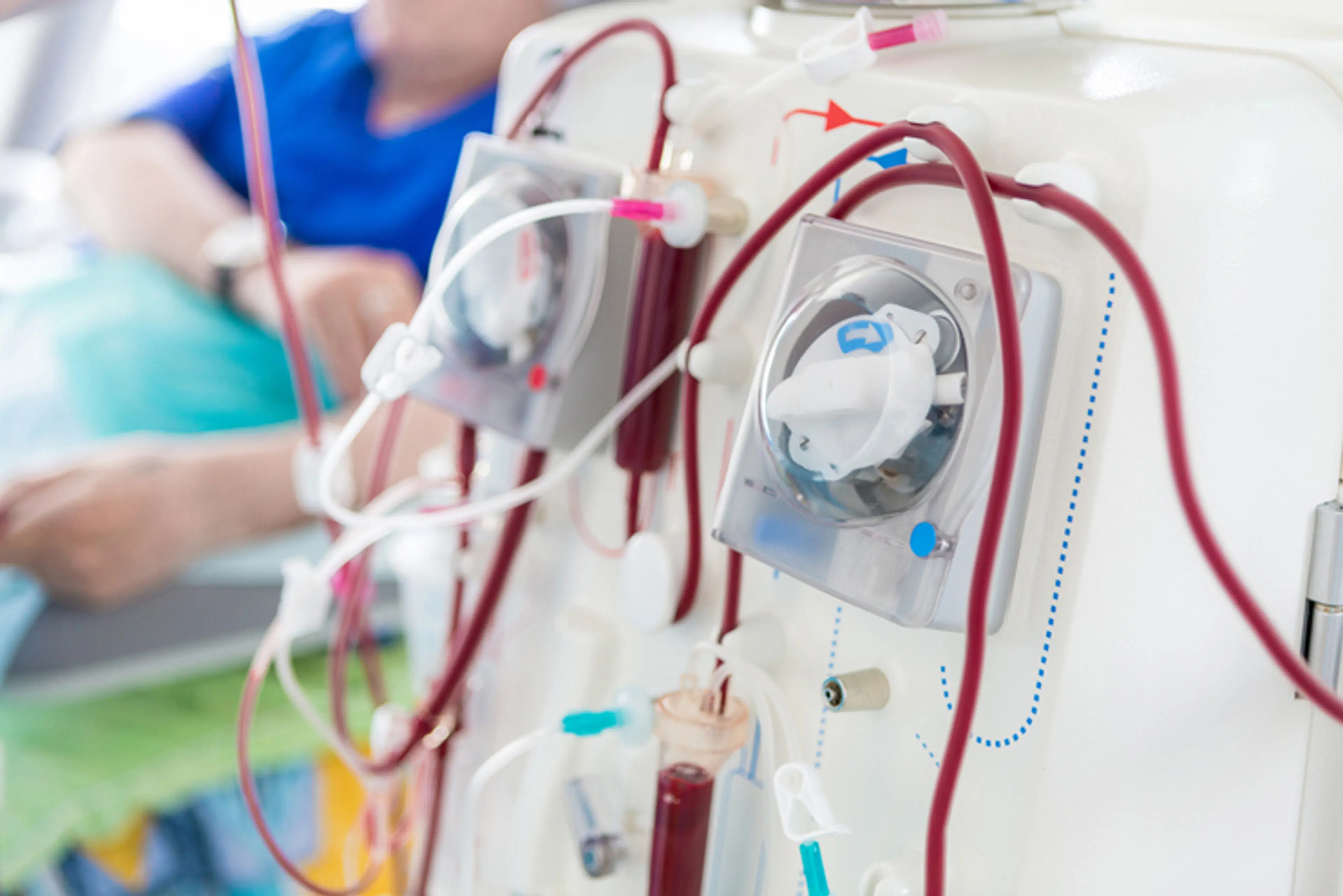
Dialysis is a lifesaving treatment for patients with kidney failure, helping to remove waste, excess fluids, and toxins from the blood. For dialysis to work effectively, a reliable vascular access site is essential. This access site is a special entry point in the patient’s blood vessels, allowing blood to be taken out of the body, filtered by the dialysis machine, and returned. The three main types of dialysis access are arteriovenous fistulas (AVFs), arteriovenous grafts (AVGs), and central venous catheters (CVCs).
Arteriovenous fistulas are created by connecting an artery directly to a vein, usually in the arm, to create a strong blood flow for dialysis. Grafts are synthetic tubes used to connect arteries and veins when veins are too small for a fistula. Catheters are flexible tubes placed in large veins, often used for temporary access.
Proper care of these access sites is critical because complications can interfere with dialysis and put patients’ health at risk. Common complications include infections, thrombosis (blood clots), bleeding, and swelling. This article will explore how to prevent these complications, ensuring dialysis access remains safe and effective for patients.
Infections occur when bacteria enter through the access site, leading to redness, pain, fever, and sometimes more severe systemic illness. Thrombosis happens when a blood clot blocks the access site, reducing or stopping blood flow and making dialysis impossible until it is cleared or a new access is created. Bleeding and bruising can occur from needle insertion or damage to the blood vessels. Swelling or edema may indicate blockages or infection.
Because these complications can quickly worsen, early detection and prevention are vital. Patients and healthcare providers must work together to monitor the access site carefully and address any issues promptly.
Infection is one of the most common and dangerous complications in dialysis access care. It often results from bacteria entering the access site during needle insertion, catheter use, or from poor hygiene. Dialysis patients, especially those with central venous catheters, are at higher risk due to frequent access and weakened immune systems.
Preventing infections requires strict hygiene practices. Patients should wash their hands thoroughly before touching the access site. The site itself must be cleaned with antiseptic solutions as recommended by healthcare providers. Using sterile gloves during access procedures and ensuring that dialysis equipment is properly sanitized are crucial steps.
Patients should also protect their access sites from dirt, water exposure, and trauma. Covering the site with clean, dry dressings between dialysis sessions helps reduce infection risk. At Charm Vascular Clinic, infection prevention protocols are rigorously followed, ensuring the highest safety standards for all patients.
Thrombosis, or blood clot formation, is another major complication that can block dialysis access, especially in arteriovenous fistulas and grafts. When a clot forms, it restricts blood flow, making dialysis inefficient or impossible. Clotting can occur due to injury to the vessel wall, slow blood flow, or other medical conditions such as hypercoagulability.
To minimize thrombosis risk, patients must maintain good vascular health through hydration, avoiding trauma to the access site, and following prescribed medication regimens. During dialysis, careful needle insertion techniques by skilled professionals help prevent vessel damage that could lead to clotting.
Regular monitoring of the access site’s function through physical exams and ultrasound imaging can detect early signs of narrowing or clotting. At Charm Vascular Clinic, advanced diagnostic tools and expert care help detect and treat thrombosis promptly, preserving access site health and prolonging its usability.
Bleeding and bruising are common occurrences during and after dialysis, especially at the access site where needles are inserted repeatedly. While some minor bleeding is expected, excessive bleeding can be a sign of underlying issues such as poor clotting ability or damage to the blood vessels.
To prevent bleeding complications, it’s important for both patients and healthcare providers to follow best practices during needle insertion and removal. Applying firm pressure to the site immediately after needle removal helps stop bleeding quickly. Patients should avoid heavy lifting or strenuous activities with the access arm after dialysis to allow the site to heal properly.
Patients on blood-thinning medications require extra caution and may need special care plans to manage bleeding risks. Monitoring for excessive bruising or prolonged bleeding and reporting these signs early can prevent further complications.
Regular monitoring of the dialysis access site is crucial for early detection of potential problems. Patients should inspect the site daily for redness, swelling, warmth, or pain, which may indicate infection or inflammation. Changes in the feel of the access, such as loss of the usual “thrill” (a vibration caused by blood flow), can suggest thrombosis or narrowing.
Healthcare providers also perform routine evaluations including physical examination and ultrasound imaging to assess blood flow and identify complications before they become severe. Education on recognizing warning signs empowers patients to seek timely medical care.
At Charm Vascular Clinic, close monitoring and proactive interventions ensure complications are caught early, significantly improving patient outcomes and prolonging access site function.
Proper maintenance of the dialysis access site is fundamental to preventing complications. Daily care routines include keeping the site clean and dry, protecting it from injury, and following hygiene guidelines such as washing hands before touching the site.
Using recommended dressings and changing them as directed helps maintain a protective barrier against bacteria. Patients should avoid using lotions, creams, or powders around the access area unless advised by their healthcare provider.
Routine follow-up appointments for professional assessment and care are essential. Through comprehensive education programs, patients learn effective self-care techniques, boosting confidence and reducing risks.
Arteriovenous fistulas and grafts, while both serving as vascular access for dialysis, require slightly different care approaches. Fistulas, being natural connections between arteries and veins, generally have lower infection risks but need regular monitoring to ensure they remain open and healthy.
Grafts, made of synthetic material, are more prone to infections and require careful surveillance. Patients should be educated on specific warning signs related to graft complications such as persistent swelling or unusual drainage.
At Charm Vascular Clinic, tailored care plans address the unique needs of each access type, optimizing longevity and reducing complications through advanced techniques and patient-centered approaches.
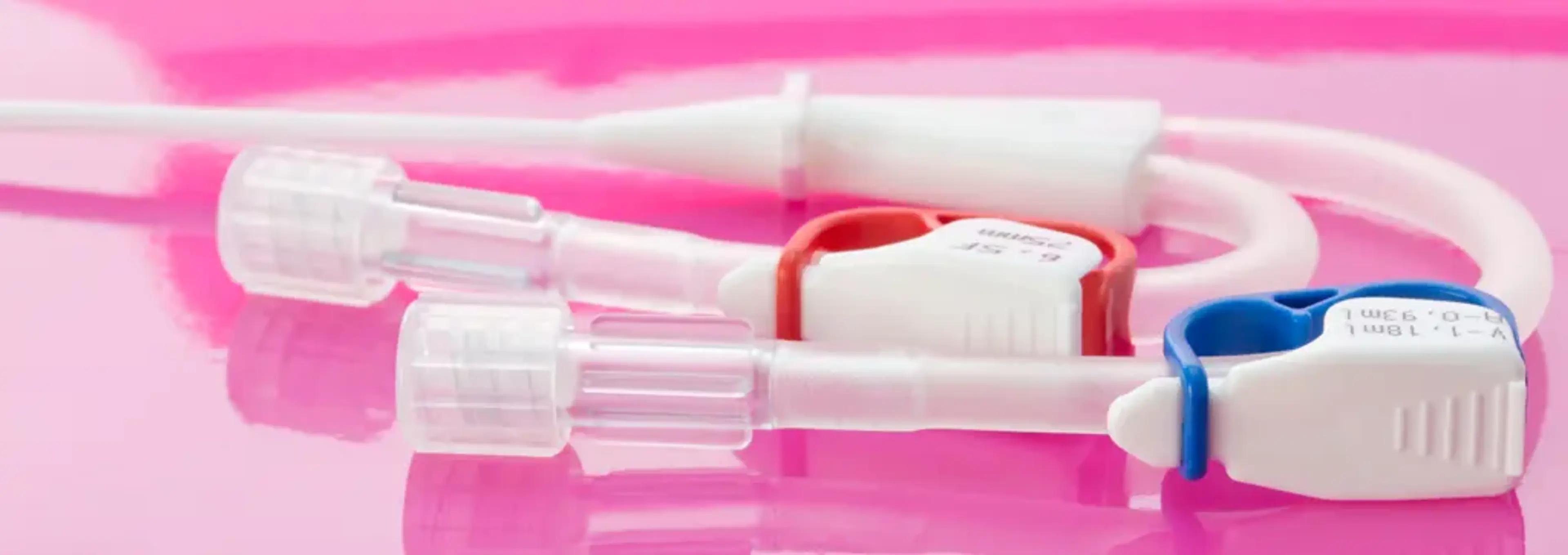
Central venous catheters (CVCs) are often used as temporary vascular access for dialysis patients who need immediate treatment or when fistulas and grafts are not available. While catheters provide quick access, they are associated with a higher risk of complications such as infections, mechanical issues, and thrombosis.
Catheter-related bloodstream infections are a significant concern because bacteria can easily enter through the catheter site. Preventive measures include strict sterile techniques during catheter insertion and maintenance, regular dressing changes, and careful monitoring for signs of infection. Patients should avoid unnecessary manipulation of the catheter and keep the site dry and clean.
Healthcare providers at Charm Vascular Clinic employ the latest protocols and technologies to minimize catheter complications, including antimicrobial dressings and catheter locks designed to prevent clotting and infections.
Pain around the dialysis access site can arise from needle insertions, inflammation, or complications like infection or thrombosis. Effective pain management is crucial to maintain patient comfort and cooperation with treatment.
Simple strategies include the use of topical anesthetics before needle insertion, proper needle technique by experienced staff, and use of smaller gauge needles where possible. Patients should communicate openly about any pain or discomfort to allow timely intervention.
If pain is due to complications such as infection or thrombosis, addressing the underlying cause is essential. At Charm Vascular Clinic, a multidisciplinary approach ensures comprehensive pain management tailored to each patient’s needs, improving their dialysis experience.
Healthcare providers play a vital role in preventing and managing dialysis access complications. Before dialysis begins, a thorough vascular assessment helps identify the best type of access and potential risk factors.
During treatment, staff adhere to strict infection control protocols, use ultrasound guidance for needle insertion, and monitor the access site carefully. Providers also educate patients about home care, signs of complications, and when to seek help.
At Charm Vascular Clinic, experienced vascular surgeons and nurses collaborate closely to ensure high standards of care, emphasizing patient safety and education throughout the treatment journey.
Recent advances in dialysis access care have significantly reduced complication rates and improved patient outcomes. Innovations include improved catheter materials with antimicrobial properties, new surgical techniques for creating durable fistulas, and minimally invasive procedures to clear blocked access sites.
Technologies like ultrasound imaging and flow monitoring help detect issues early, allowing prompt intervention. Research at institutions like Charm Vascular Clinic continues to explore new methods such as bioengineered grafts and better thrombosis prevention strategies.
These advancements, combined with patient education and expert care, make dialysis safer and more effective for patients worldwide.
Patient education is a cornerstone of preventing dialysis access complications. Understanding how to care for their vascular access empowers patients to take an active role in their health. Education programs cover topics such as proper hygiene, signs of complications, and lifestyle modifications to protect the access site.
Support programs often include one-on-one coaching, instructional materials, and follow-up sessions to reinforce learning. These programs have been shown to reduce infection rates and improve long-term access site outcomes by fostering patient confidence and adherence to care routines.
Charm Vascular Clinic prioritizes patient education, offering comprehensive support tailored to individual needs, which helps patients maintain healthy dialysis access sites and avoid avoidable complications.
Another case involved a patient prone to access site infections. Through rigorous hygiene education and regular follow-ups, the patient significantly reduced infection episodes, maintaining stable dialysis access and overall health.
These stories demonstrate that with expert care and patient cooperation, many complications can be prevented or managed effectively, improving quality of life for dialysis patients.
Utilizing state-of-the-art technology and adhering to the highest safety protocols, Charm Vascular Clinic delivers comprehensive care that addresses each patient’s unique needs. The clinic’s commitment to patient education, comfort, and ongoing support ensures optimal outcomes.
For patients seeking the best care to prevent dialysis access complications, Charm Vascular Clinic is the trusted choice, combining advanced medical expertise with compassionate patient-centered care.
Preventing complications in dialysis access sites is essential for maintaining effective dialysis treatment and improving the quality of life for patients with kidney failure. Through proper hygiene, vigilant monitoring, timely intervention, and patient education, many common issues such as infections, thrombosis, bleeding, and swelling can be avoided or managed successfully.
Specialized care tailored to the type of access—whether arteriovenous fistulas, grafts, or catheters—is critical for long-term access site health. Advances in technology and medical techniques continue to enhance prevention and treatment options, making dialysis safer and more efficient.
At the heart of successful prevention is collaboration between patients and healthcare providers. Clinics like Charm Vascular Clinic exemplify this partnership by offering expert care, comprehensive education, and innovative treatments that prioritize patient safety and comfort.
By following recommended care practices and seeking expert support, patients can significantly reduce the risk of complications and enjoy more reliable dialysis outcomes.