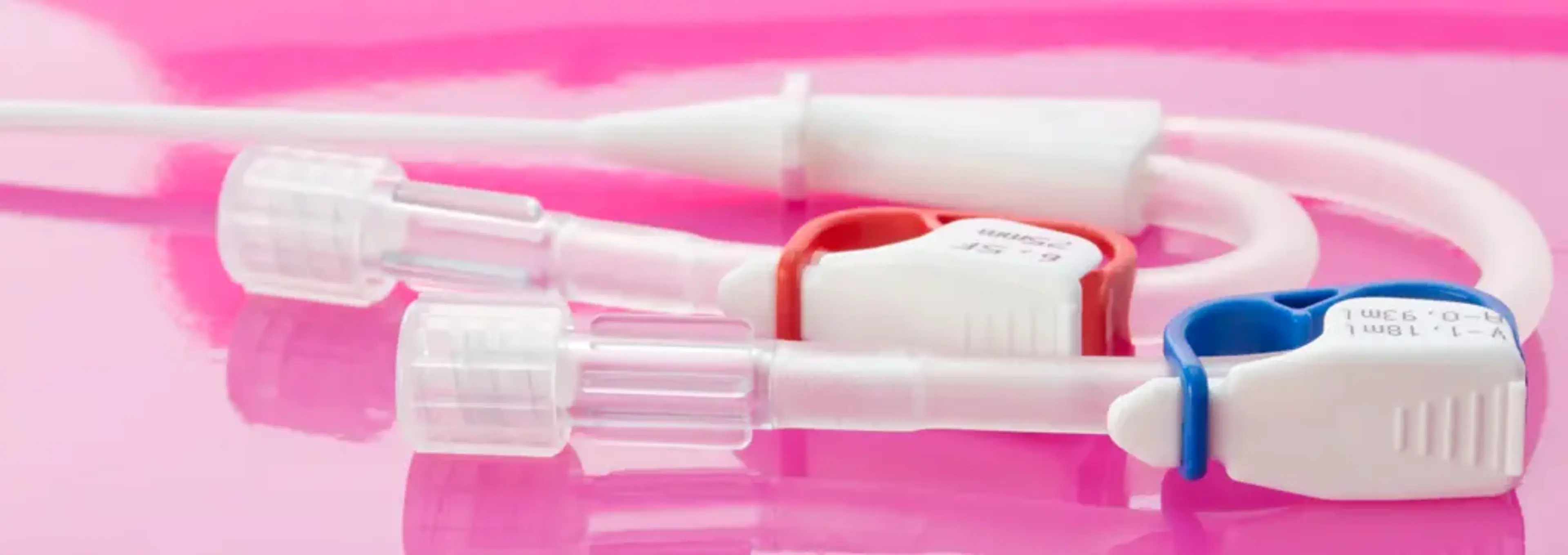
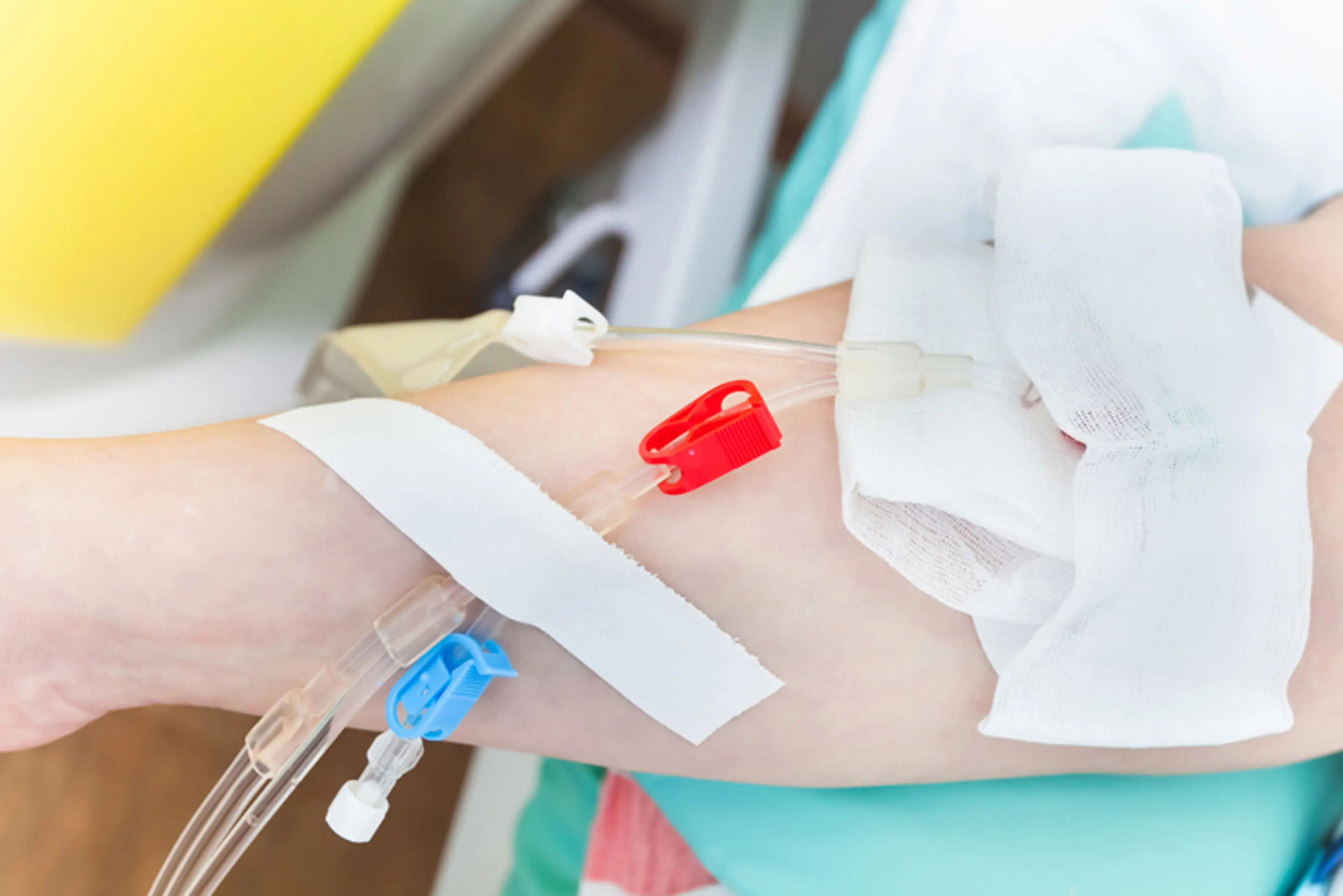
Introduction to Hemodialysis and Vascular Access
introduction-to-hemodialysis-and-vascular-accessHemodialysis is a life-sustaining treatment for patients with end-stage renal disease (ESRD), and its effectiveness heavily relies on a well-functioning vascular access. Vascular access provides the bloodstream entry and exit points needed to perform dialysis efficiently. The three primary types of access used for hemodialysis are arteriovenous (AV) fistulas, AV grafts, and central venous catheters.
Each method of access comes with unique benefits and risks. AV fistulas, created by connecting an artery to a vein, are considered the gold standard due to their longevity and low infection rates. AV grafts use synthetic tubing to bridge the artery and vein, offering a good alternative when native vessels are unsuitable. Central venous catheters, often used temporarily, are inserted into major veins such as the internal jugular or femoral vein and are more prone to infection and clotting.
Unfortunately, complications at access sites are common, potentially leading to treatment delays, hospitalization, and increased mortality risk. Managing these complications is crucial for maintaining the quality of life and long-term outcomes in dialysis patients.
Types of Hemodialysis Access
types-of-hemodialysis-accessUnderstanding the types of vascular access is essential for both clinicians and patients involved in dialysis care. The AV fistula is the preferred method for long-term dialysis. It is created surgically and requires several weeks to months to mature before it can be used. Once matured, it offers superior blood flow and lower complication rates.
An AV graft is used when patient vessels are too small or damaged for a fistula. While functional in a shorter time frame (typically within two weeks), grafts have a higher rate of stenosis and infection. Nonetheless, they provide a vital alternative for patients who cannot receive a fistula.
The
central venous catheter is often utilized for immediate
dialysis access or when other options are not feasible. While it offers a quick solution, it is not intended for long-term use due to high risks of infection and thrombosis. Understanding these types helps in selecting the most appropriate access for each patient’s needs and clinical condition.
Common Hemodialysis Access Complications
common-hemodialysis-access-complicationsComplications of dialysis access can arise at any stage—from creation to daily use—and must be addressed promptly to prevent more serious consequences. Some of the most frequent issues include access site bleeding, thrombosis (clotting), stenosis (narrowing), and infection.
Access bleeding typically occurs after needle removal and may result from improper hemostasis, vascular damage, or use of anticoagulants. Thrombosis is a major concern, particularly in AV grafts, and can lead to complete access failure. Stenosis, often due to neointimal hyperplasia at the venous outflow tract, reduces blood flow and impairs dialysis adequacy.
Infections are also prevalent, especially in catheter-based access, and can escalate into sepsis if not treated aggressively. Factors such as repeated cannulation, poor hygiene, and immunocompromised status further increase the risk. Early recognition and management are key to preventing long-term damage and preserving access function.
AV Fistula Thrombosis and Its Management
av-fistula-thrombosis-and-its-managementAV fistula thrombosis is a critical event that compromises dialysis delivery and often requires urgent intervention. It is typically caused by underlying
stenosis that restricts blood flow, eventually leading to clot formation. Symptoms may include a loss of thrill or bruit, swelling, and inability to complete dialysis sessions effectively.
The diagnostic process involves physical examination, duplex ultrasound, or a fistulogram, which provides detailed imaging of the vessel. Once confirmed, treatment options vary depending on the extent and location of the clot. Pharmacomechanical thrombectomy, a minimally invasive procedure using clot-dissolving agents and mechanical devices, is commonly employed.
In some cases, angioplasty may be required to reopen narrowed segments and restore proper blood flow. If endovascular approaches are unsuccessful, surgical revision or even access replacement might be necessary. At Charm Vascular Clinic, such procedures are routinely performed with a high success rate, combining expert vascular surgery with advanced imaging and treatment technologies.
Stenosis: A Leading Cause of Access Dysfunction
stenosis:-a-leading-cause-of-access-dysfunctionStenosis, or narrowing of the blood vessels, is one of the most common causes of dialysis access dysfunction and often precedes thrombosis. In AV fistulas and grafts, stenosis typically develops at the venous anastomosis, where the graft or fistula connects to the vein. It can also occur along the outflow vein or central veins, especially in patients with long-standing catheter use.
The underlying cause is usually neointimal hyperplasia—a thickening of the vessel wall caused by cellular proliferation and inflammation. This condition gradually reduces the diameter of the blood vessel, restricting flow and increasing venous pressure. Clinical signs of stenosis include prolonged bleeding after dialysis, high venous pressures during treatment, and decreased dialysis adequacy.
Diagnosis is confirmed through ultrasound, fistulography, or angiography, which allow visualization of the narrowed segment. Balloon angioplasty, often the first-line treatment, involves inflating a balloon within the stenotic area to widen the vessel. In cases where the stenosis recurs or is resistant, stent placement may be used to hold the vessel open.
Charm Vascular Clinic excels in managing stenosis with minimally invasive interventions. Using state-of-the-art imaging and endovascular tools, the clinic achieves high technical success and low recurrence rates in treating access site stenosis, helping patients maintain their dialysis schedules without interruption.
Managing AV Graft Complications
managing-av-graft-complicationsWhile AV grafts provide a reliable alternative to fistulas, they come with a higher risk of complications, particularly infection, pseudoaneurysm formation, and thrombosis. These issues require close surveillance and timely intervention to avoid access loss.
Infections in grafts often present as redness, swelling, tenderness, or drainage around the site. These are more serious than superficial skin infections and may involve the entire graft. Depending on severity, treatment ranges from intravenous antibiotics to surgical removal of the infected graft.
Another complication, pseudoaneurysms, can occur from repeated needle punctures, leading to a weakened section of the graft wall that bulges abnormally. If left untreated, it may rupture or become infected. Surgical repair or stent graft placement are the typical treatments.
Thrombosis in AV grafts is a common problem due to their synthetic nature and greater tendency for stenosis. Immediate thrombolysis or mechanical thrombectomy is needed to restore function. Patients are advised to report changes in graft thrill or prolonged bleeding to ensure early detection.
At
Charm Vascular Clinic,
AV graft salvage procedures are performed with precision and care. The clinic’s surgical and interventional teams work closely to preserve graft function whenever possible, using advanced techniques like
covered stents,
drug-eluting balloons, and
graft patch angioplasty.
Hemodialysis Catheter Complications
hemodialysis-catheter-complicationsCentral venous catheters (CVCs) are a temporary but sometimes necessary form of access, particularly for patients awaiting AV fistula or graft placement. However, they are associated with the highest complication rates among access types—most notably catheter-related bloodstream infections (CRBSIs), thrombosis, and venous stenosis.
CRBSIs are particularly concerning as they can lead to systemic infections such as sepsis, which may be life-threatening. Signs include fever, chills, and local site inflammation. Diagnosis is made by drawing blood cultures from the catheter and a peripheral vein. Treatment includes antibiotics, and in many cases, catheter removal or replacement.
Thrombosis of the catheter tip or associated veins can obstruct blood flow, resulting in poor dialysis efficiency or complete access failure. Anticoagulation therapy, catheter exchange, or fibrin sheath stripping may be necessary.
Chronic use of CVCs also increases the risk of central vein stenosis, which complicates future access creation and can cause arm swelling and venous hypertension. This condition is best managed by balloon angioplasty and stent placement, although prevention through early transition to permanent access is ideal.
Charm Vascular Clinic prioritizes catheter minimization strategies and provides rapid access placement to reduce dependency on CVCs. For patients who must use a catheter, the clinic offers comprehensive care plans that include infection monitoring, site hygiene education, and regular function assessments.
Infection: Prevention and Management
infection:-prevention-and-managementInfections are a leading cause of hospitalization and morbidity in dialysis patients, especially those using grafts or catheters. Effective infection control protocols are essential in both dialysis centers and home care settings to reduce the risk of localized and systemic infections.
Early signs of infection at the access site include redness, warmth, swelling, and pain. Systemic symptoms such as fever and malaise suggest possible bloodstream involvement. Immediate evaluation and treatment are crucial to prevent progression to sepsis or endocarditis.
Management depends on the severity and source. For minor infections, oral or intravenous antibiotics may suffice. More serious infections involving grafts or catheters often require surgical removal, catheter exchange, or even resection of infected vessels. Blood cultures and sensitivity testing guide targeted antibiotic therapy.
Prevention is equally vital. Proper hand hygiene, sterile cannulation techniques, and daily site inspection are cornerstones of infection prevention. In some cases, antibiotic lock solutions are used in catheters to prevent biofilm formation.
At Charm Vascular Clinic, strict infection control protocols are observed across all procedures. The clinic also offers patient education programs focused on self-care, recognizing early infection signs, and maintaining access site cleanliness—empowering patients to take an active role in their care.
Endovascular Solutions for Dialysis Access Problems
endovascular-solutions-for-dialysis-access-problemsEndovascular therapy has become a cornerstone in the management of dialysis access complications, offering minimally invasive, highly effective alternatives to traditional surgery. These procedures are performed through small incisions using catheters, guidewires, balloons, and stents to treat issues like stenosis, thrombosis, and pseudoaneurysms without the need for open surgery.
One of the most common interventions is balloon angioplasty, where a balloon-tipped catheter is inserted into the narrowed segment of the fistula or graft and inflated to restore proper blood flow. In cases of recurrent stenosis or elastic recoil, stent placement provides a longer-lasting solution by scaffolding the vessel open.
Thrombectomy, either mechanical or pharmacomechanical, is another endovascular approach that removes clots from blocked AV access. These procedures can restore function rapidly, often within the same day, minimizing disruption to the dialysis schedule.
Charm Vascular Clinic specializes in these endovascular techniques, offering state-of-the-art technology and a team of vascular specialists skilled in real-time ultrasound and fluoroscopic guidance. These interventions are typically performed under local anesthesia, allowing for same-day discharge and rapid recovery, which is ideal for patients who require frequent dialysis.
Surgical Interventions and Salvage Techniques
surgical-interventions-and-salvage-techniquesWhile endovascular approaches are effective for many complications, surgical interventions remain essential in certain cases—especially when access structures are severely damaged, infected, or anatomically unsuitable for catheter-based repair.
Surgical revision of an AV fistula or graft involves restoring blood flow through procedures such as patch angioplasty, interposition grafting, or ligation and new access creation. When infections are involved, the surgeon may need to excise infected tissue and construct a new access site in a different location.
Salvage techniques can often prolong the lifespan of the existing access, which is beneficial given the limited number of available sites in long-term dialysis patients. These include banding procedures for high-flow AV fistulas or re-do anastomosis in cases of inflow or outflow stenosis.
At
Charm Vascular Clinic, surgical interventions are tailored to each patient’s anatomy and access history. The surgical team, led by
Dr. Insoo Park, collaborates with interventional radiologists and nephrologists to determine the best treatment strategy. Their high rate of successful salvage and revision procedures has earned them recognition as a leading center for complex dialysis access management.
Monitoring and Maintenance Protocols
monitoring-and-maintenance-protocolsProactive monitoring and maintenance are critical to preventing complications and ensuring the longevity of hemodialysis access. Regular assessments allow for early detection of dysfunction, enabling timely interventions before the access fails.
Monitoring methods include clinical evaluation—such as checking for changes in bruit or thrill—and technological surveillance, including duplex ultrasound, venous pressure monitoring, and flow measurements during dialysis sessions. These tools help identify early signs of stenosis, thrombosis, or flow reduction.
When abnormalities are detected, a timely fistulogram can confirm the diagnosis and guide appropriate treatment, such as angioplasty or surgical revision. Some dialysis centers integrate monthly monitoring protocols to routinely assess access function and prevent emergency interventions.
Charm Vascular Clinic implements a comprehensive vascular access surveillance program. By combining in-clinic assessments with advanced imaging, they ensure each patient’s access remains functional and efficient. Their structured follow-up system reduces emergency visits and supports uninterrupted dialysis care.
Role of a Multidisciplinary Team in Access Care
role-of-a-multidisciplinary-team-in-access-careEffective management of hemodialysis access complications requires a multidisciplinary approach involving nephrologists, vascular surgeons, interventional radiologists, and dialysis nurses. Collaboration ensures that access issues are addressed swiftly and holistically, improving both outcomes and patient satisfaction.
The nephrologist plays a central role in identifying access problems early and coordinating with vascular specialists. The vascular surgeon handles complex surgical repairs or access creation, while interventional radiologists perform image-guided procedures like angioplasty or thrombectomy. Dialysis nurses are critical in monitoring the access site daily and educating patients about warning signs.
Case management also includes nutritionists, infectious disease specialists, and social workers to address comorbidities and social factors affecting treatment adherence. This team-based strategy minimizes the risk of complications and hospitalizations.
At Charm Vascular Clinic, multidisciplinary care is built into the treatment model. Patients benefit from integrated services under one roof, reducing delays in care. This collaborative environment, combined with top-tier medical expertise, enables fast recovery, fewer complications, and a seamless patient experience.
Managing Patient Expectations and Recovery
managing-patient-expectations-and-recoveryNavigating dialysis access complications can be overwhelming, especially when treatments involve repeated interventions. That’s why managing patient expectations and promoting recovery are just as important as the clinical procedures themselves. Effective communication and education empower patients to actively participate in their care and recovery.
After any endovascular or surgical intervention, patients are closely monitored for signs of re-occlusion, bleeding, or infection. Recovery time is typically short after minimally invasive procedures—often allowing patients to resume dialysis within 24–48 hours. In contrast, surgical revisions may require a longer recovery and more intensive wound care.
Educating patients about what to expect post-procedure—such as minor bruising, instructions for arm elevation, and signs that warrant immediate attention—helps reduce anxiety and improves compliance. Lifestyle modifications, including avoiding pressure on the access arm and staying well-hydrated, can also support long-term success.
At Charm Vascular Clinic, personalized post-treatment instructions and follow-up appointments are integral to the recovery process. The clinic offers supportive counseling and resources to help patients feel confident in caring for their access site, ultimately reducing the need for emergency interventions and improving quality of life.
Why Choose Charm Vascular Clinic for Dialysis Access Management
why-choose-charm-vascular-clinic-for-dialysis-access-managementWhen facing vascular access complications, choosing a trusted and specialized clinic is critical. Charm Vascular Clinic, located in Seoul, South Korea, is a national leader in minimally invasive vascular care, especially for dialysis patients.
Under the leadership of Dr. Insoo Park, a pioneer in vascular surgery and minimally invasive procedures, the clinic has managed thousands of complex access cases with consistently high success rates. With its comprehensive services, including diagnostic imaging, endovascular procedures, and surgical revisions, Charm Vascular Clinic provides everything patients need in one convenient, expertly equipped location.
The clinic’s track record includes:
Over 2,000 vascular surgeries performed annually
A Center of Excellence for VenaSeal™ recognition
A multidisciplinary team with unmatched expertise in vascular access management
Charm Vascular Clinic also offers fast access to care, patient-centered service, and a proactive approach to
surveillance, intervention, and follow-up—making it the ideal destination for both local and international dialysis patients.
Conclusion
conclusionManaging hemodialysis access site complications effectively is essential for maintaining the health, dignity, and quality of life of dialysis patients. From clotting and stenosis to infection and bleeding, each issue requires timely, expert intervention guided by evidence-based protocols and compassionate care.
With modern advances in both surgical and endovascular techniques, many access issues can be treated quickly and with minimal disruption to dialysis schedules. The key is early recognition, skilled care, and ongoing access monitoring—services that Charm Vascular Clinic delivers with exceptional expertise.
Patients can feel reassured knowing that with the right clinic and care team, even the most complex vascular challenges can be overcome. For those seeking world-class dialysis access management in Korea, Charm Vascular Clinic stands as the gold standard.