Introduction to Dialysis and Vascular Access
introduction-to-dialysis-and-vascular-accessOverview of Dialysis
overview-of-dialysisDialysis is a life-saving treatment for patients suffering from kidney failure, where the kidneys are no longer able to perform their vital function of filtering waste and excess fluids from the blood. There are two primary types of dialysis: hemodialysis and peritoneal dialysis. Hemodialysis is the more common of the two and involves filtering blood through a dialysis machine. In peritoneal dialysis, the patient’s abdominal lining is used to filter blood inside the body.
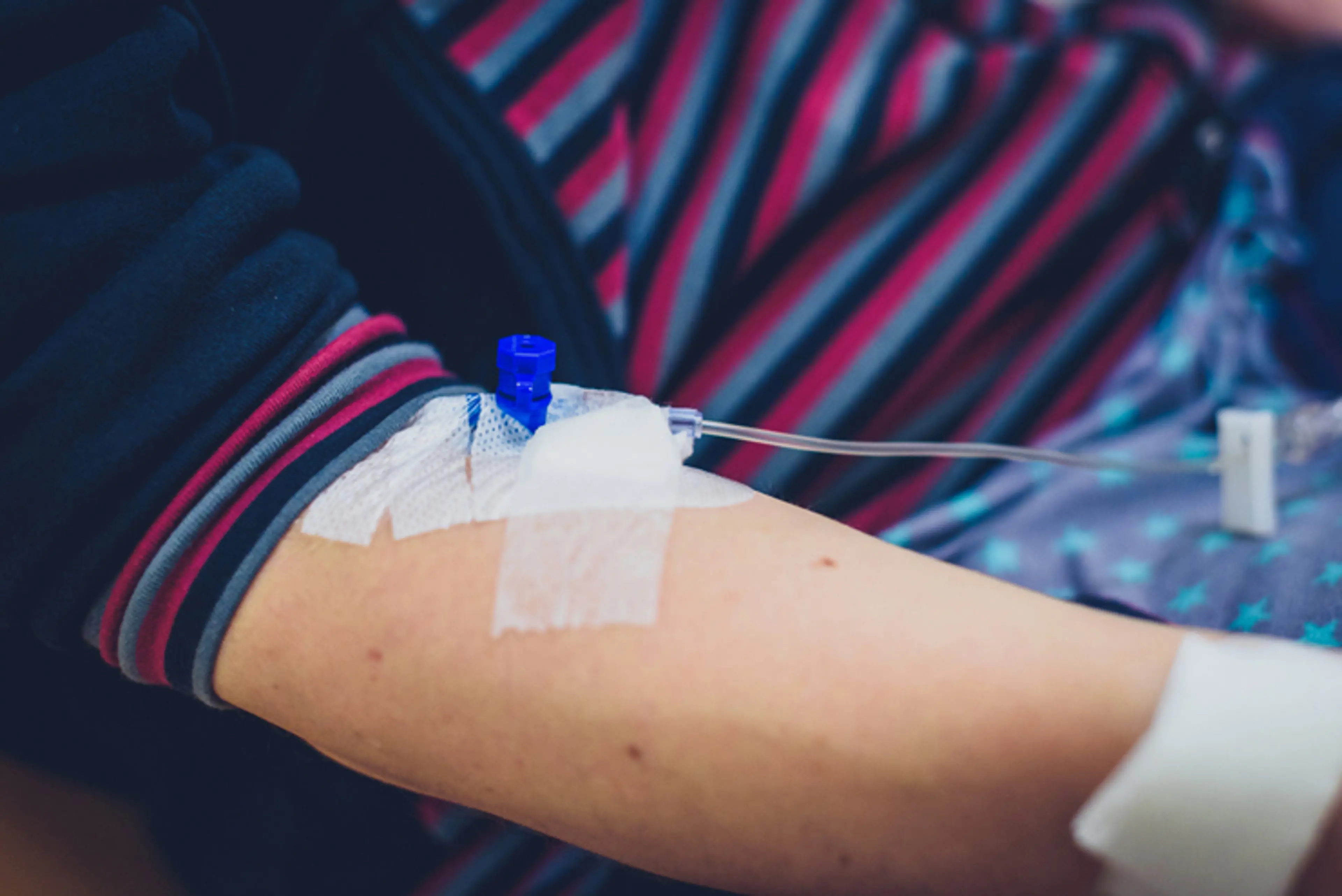
For hemodialysis to work effectively, it requires a reliable and efficient vascular access site. This site serves as the point where blood is drawn from the body, filtered by the dialysis machine, and then returned to the body. Without a proper vascular access site, the dialysis process becomes difficult and less effective, leading to complications that can interfere with the treatment and the patient's overall health.
What is Vascular Access?
what-is-vascular-accessVascular access refers to the surgical creation of a site on the body where blood can be easily accessed for dialysis. There are different ways to establish vascular access, and choosing the right one can have a profound impact on the patient's dialysis experience and health outcomes. The quality of the vascular access site affects the
efficiency of dialysis, how often the patient needs treatments, and the long-term health of the veins involved. Therefore, selecting the optimal vascular access site is a critical decision that influences a patient’s success in dialysis treatment.
Understanding the Types of Dialysis Access Sites
understanding-the-types-of-dialysis-access-sitesArteriovenous Fistula (AVF)
arteriovenous-fistula-(avf)The arteriovenous fistula (AVF) is considered the gold standard for dialysis access. This method involves surgically connecting an artery to a vein, usually in the arm, to allow for high blood flow that is necessary for effective dialysis. AVFs are the most durable and have the lowest risk of complications, making them the preferred choice for long-term dialysis patients. With proper care, an AVF can last for many years and provide reliable access for hemodialysis treatments.
Dialysis Graft
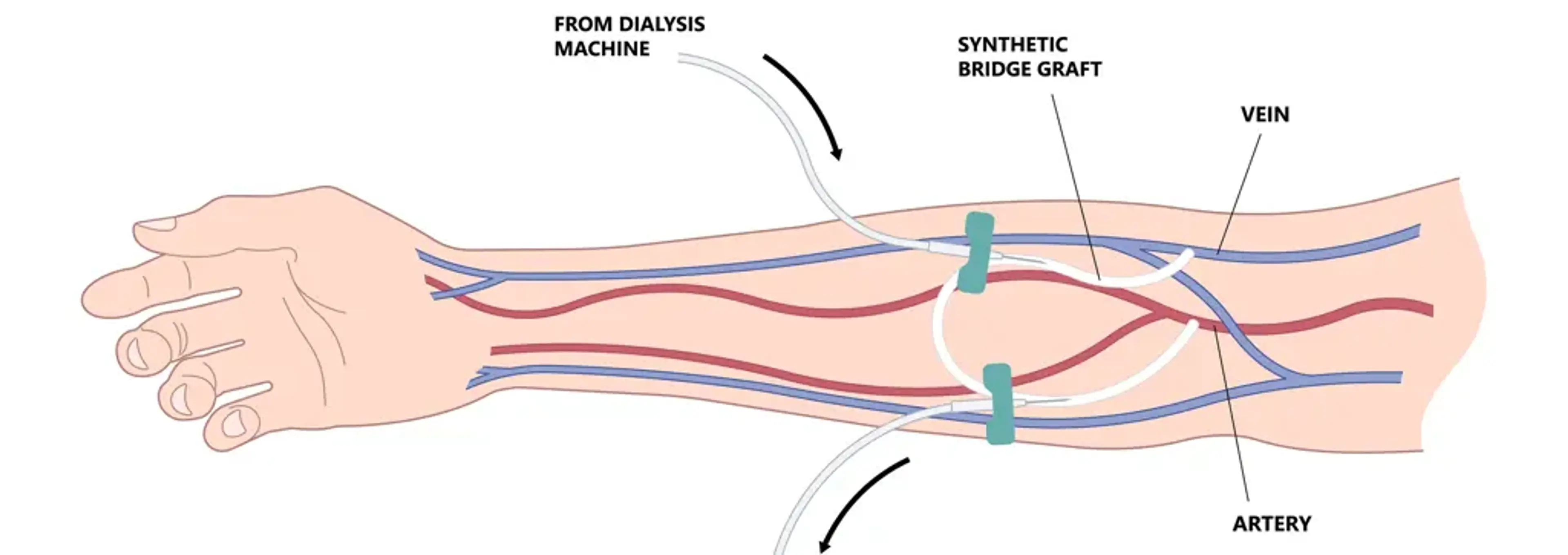
dialysis-graftFor patients whose veins are not suitable for an AVF, a dialysis graft may be used. A graft is a synthetic tube that connects an artery to a vein, creating an access site. Grafts are easier to create than AVFs and are used when veins are too small or damaged to form a fistula. While grafts tend to be a good option for patients who cannot have an AVF, they are not as durable and tend to have higher complication rates. Patients with grafts may experience problems like clotting and infections, which require ongoing monitoring and care.
Dialysis Catheter
dialysis-catheterA dialysis catheter is a tube inserted into a large vein, typically in the neck or chest, to allow for immediate or temporary access to the bloodstream. Catheters are usually used for patients who need dialysis urgently or when long-term access is not immediately necessary. While catheters are easy to insert, they come with a higher risk of infection and clotting. As a result, they are generally not recommended for long-term use and should be replaced with a more permanent access site, like an AVF or graft, as soon as possible.
Why Vascular Access Site Selection is Crucial
why-vascular-access-site-selection-is-crucialImpact on Dialysis Success
impact-on-dialysis-successChoosing the right vascular access site directly affects the success of dialysis treatment. When blood flows smoothly and consistently through the dialysis machine, the process becomes more effective, and patients can expect better outcomes. Proper blood flow ensures that toxins and excess fluids are adequately filtered from the body, which is the primary goal of dialysis. If the access site is compromised or poorly chosen, it can lead to inefficient dialysis and insufficient toxin removal, resulting in poor treatment outcomes and potential health complications.
Long-Term Functionality
long-term-functionalityThe longevity of the vascular access site is crucial for a patient's long-term health. AVFs, for example, are known for their durability and can provide stable access to the bloodstream for many years. On the other hand, grafts and catheters may require more frequent interventions, such as cleaning, clot removal, or even replacement. Poorly functioning access sites can also lead to the need for more frequent hospital visits or additional surgical procedures to address complications. In contrast, an optimal access site reduces the need for such interventions and helps ensure that dialysis continues to be an effective and reliable treatment for years.
Quality of Life
quality-of-lifeDialysis treatment is not only about the technical success of the process—it also impacts the patient’s overall quality of life. A well-functioning access site helps patients maintain their regular routines with minimal disruption. They experience fewer complications, such as infections and clotting, which means fewer hospitalizations and a better overall experience. In contrast, patients with problematic access sites may face frequent hospital visits, longer treatment sessions, and the emotional strain of managing complications. By choosing the right access site, patients can enjoy a better quality of life and have greater peace of mind throughout their dialysis journey.
Factors Influencing Vascular Access Site Selection
factors-influencing-vascular-access-site-selectionPatient’s Health Condition
patient's-health-conditionA patient’s overall health and medical history play a critical role in the decision-making process for selecting a vascular access site. For instance, patients with diabetes or peripheral vascular disease may have poor veins that are unsuitable for an AVF, requiring a graft or catheter instead. Furthermore, patients with heart disease or other cardiovascular conditions may require special considerations, such as ensuring that the chosen access site allows for optimal blood flow without putting undue strain on the heart. Therefore, each patient’s unique health profile must be thoroughly assessed before determining the most appropriate access site.
Vein Quality and Size
vein-quality-and-sizeThe size and quality of a patient’s veins are crucial in determining whether an AVF, graft, or catheter is the best option. Vein mapping and ultrasound are often used to assess vein health and size. For instance, veins that are too small or weak may not be able to withstand the pressure of hemodialysis and could be more prone to complications like clotting or narrowing. In such cases, a graft or catheter may be used instead of an AVF. Conversely, healthy, large veins are ideal candidates for an AVF, which provides the best long-term results.
Surgical Considerations
surgical-considerationsThe choice of vascular access site also depends on the expertise and experience of the vascular surgeon. Vascular surgeons are specially trained to assess a patient’s vascular anatomy and determine which access site will provide the best results. The surgeon's skill and judgment in creating the access site are critical to its success. For example, creating a fistula in an optimal location and ensuring proper blood flow can significantly reduce the risk of complications. Patients should work with an experienced vascular surgeon who understands the complexities of vascular access and can ensure the procedure is performed correctly.
Complications of Improper Access Site Selection
complications-of-improper-access-site-selectionVascular Access Failure
vascular-access-failureOne of the primary risks of choosing an improper vascular access site is vascular access failure. This occurs when the access site becomes blocked or narrowed, preventing adequate blood flow for dialysis. Vascular access failure can result from clotting, the development of scar tissue, or other issues with the vein or graft. If blood flow becomes insufficient, dialysis treatments can become less effective, and patients may require more frequent interventions to restore access. Failure of an access site often leads to the need for a new site to be surgically created, which increases the patient's risks and the complexity of treatment.
Risk of Infection
risk-of-infectionInfections are one of the most common complications associated with dialysis access. When an access site is not chosen or maintained properly, it becomes vulnerable to bacterial infections, which can spread quickly and result in sepsis, a potentially life-threatening condition. For instance, catheters are particularly prone to infections, especially when used for long-term dialysis. A catheter inserted into a vein can provide a direct pathway for bacteria to enter the bloodstream. Grafts and AVFs, while less prone to infection than catheters, still require proper care to minimize the risk. Regular monitoring and hygiene are crucial in preventing infections at the access site.
Access Site Clotting
access-site-clottingAnother significant complication is clotting at the access site. If blood flow is not maintained properly, blood can begin to pool at the access site, forming clots that block the vessel. This is more common in dialysis grafts, as they tend to be less durable and more prone to clot formation. Even when an AVF is properly created, clotting can still occur if the access site is not regularly monitored or if there is an issue with the patient’s blood pressure or anticoagulant therapy. Clots can cause a complete blockage, rendering the access site unusable and potentially requiring surgical intervention to restore function.
Impact on Dialysis Frequency
impact-on-dialysis-frequencyImproper vascular access site selection increases the likelihood of complications, which, in turn, leads to a need for more frequent interventions, including additional surgeries, hospital visits, or longer dialysis sessions. If an access site is malfunctioning, patients may experience slower dialysis treatments or need to change their access site more often, which disrupts their routine and can negatively impact their quality of life. Therefore, choosing the right access site from the beginning helps minimize the need for re-access procedures and ensures that dialysis is as efficient and effective as possible.
Preparing for Vascular Access Surgery
preparing-for-vascular-access-surgeryPre-Surgical Assessment
pre-surgical-assessmentBefore any surgery to establish a dialysis access site, patients undergo a thorough pre-surgical assessment. This assessment helps identify the most suitable access point based on the patient's veins, health condition, and individual needs. Key components of the pre-surgical evaluation include ultrasound imaging to map out the veins and assess their size, health, and suitability for an AVF or graft. Blood tests and a review of the patient’s medical history are also conducted to ensure they are in good health and can undergo the procedure safely. The goal is to determine the best access site for long-term dialysis success and minimize the risks of complications.
Role of the Vascular Surgeon
role-of-the-vascular-surgeonThe vascular surgeon plays a pivotal role in the vascular access site selection process. A skilled vascular surgeon uses their expertise to evaluate the patient’s vascular anatomy and determine the most appropriate access site. The surgeon will also decide on the surgical approach to create the access site, ensuring that the procedure is performed as safely and effectively as possible. Their ability to anticipate potential challenges and use the latest techniques can significantly influence the outcome of the surgery. A well-performed surgical procedure creates a functional, long-lasting access site, reducing the risk of failure or complications down the line.
Pre-Operative Care
pre-operative-careOnce the access site has been selected, pre-operative care is essential to ensure that the patient is well-prepared for surgery. Patients are typically advised to fast for a certain period before the procedure to reduce the risk of complications during anesthesia. Additionally, some medications may need to be adjusted or temporarily stopped before surgery. For example, blood-thinning medications may need to be paused to prevent excessive bleeding during the procedure. Pre-operative care also includes instructions on hygiene and what to expect during the recovery process. Proper preparation is key to ensuring that the surgery goes smoothly and that the patient can recover as quickly as possible.
Patient Education
patient-educationIt is important for patients to be well-informed about their upcoming surgery. Patient education is a crucial aspect of the process. Patients should understand the different types of vascular access, the potential benefits and risks, and what they can expect before, during, and after surgery. Knowledge empowers patients to make informed decisions and helps them take proactive steps to care for their access site following the procedure. This may include guidelines on how to recognize signs of complications, how to care for the site to prevent infections, and what activities to avoid during the healing process. A patient who understands the importance of their vascular access and the necessary care steps is better equipped to ensure long-term success.
Post-Procedure Care and Maintenance of Vascular Access
post-procedure-care-and-maintenance-of-vascular-accessSite Care to Prevent Complications
site-care-to-prevent-complicationsAfter the vascular access site is created, site care is essential to ensure the best possible outcome and to prevent complications. Patients are instructed to keep the access site clean and to avoid applying excessive pressure or strain to the area. Proper hygiene is important in reducing the risk of infection. Patients may be advised to gently wash the site with soap and water and to apply any prescribed topical ointments to reduce the risk of infection. Keeping the area dry and free from contaminants is also crucial for the healing process. Careful monitoring of the access site is vital for identifying any potential problems early on.
Signs of Problems
signs-of-problemsEven with proper care, complications can still occur, which is why patients need to be vigilant and aware of the signs of problems. Symptoms like redness, swelling, or warmth around the access site, or changes in the blood flow (such as difficulty drawing or returning blood), may indicate infection, clotting, or other issues. Any unusual changes should be reported to the healthcare team immediately. Patients may also experience pain or discomfort in the area, which could signal a problem with the access site or surrounding tissue. Timely intervention can prevent further complications and ensure that the access site remains functional.
Impact of Access Site on Dialysis Frequency and Success
impact-of-access-site-on-dialysis-frequency-and-successMinimizing the Need for Re-Access
minimizing-the-need-for-re-accessChoosing the right vascular access site helps minimize the need for re-access procedures. When an access site functions well, patients are less likely to experience issues that require them to have a new access point surgically created. Re-access surgeries can be complex and carry additional risks, including infection and prolonged recovery times. An optimal access site minimizes these risks, allowing patients to continue their dialysis treatments without interruptions and with a lower likelihood of needing further surgical interventions.
Long-Term Function
long-term-functionThe long-term function of the vascular access site is one of the key reasons why proper selection is so important. The right access site ensures that dialysis can continue to be performed effectively over time. For example, AVFs tend to last the longest, with a lower risk of complications like clotting and infection. On the other hand, grafts may need to be replaced more frequently, and catheters are not intended for long-term use. A well-functioning access site ensures the patient can undergo dialysis for as long as necessary, without requiring frequent changes or adjustments.
Reducing the Frequency of Dialysis
reducing-the-frequency-of-dialysisPatients who experience fewer complications from their access site tend to have more efficient dialysis treatments. An optimal access site allows for better blood flow, which results in more effective dialysis. This, in turn, can help reduce the frequency of dialysis sessions or the need for prolonged treatments. Effective dialysis is key to improving the patient’s overall health and quality of life, making the choice of access site an important factor in their treatment journey.
The Role of Charm Vascular Clinic in Dialysis Access Care
the-role-of-charm-vascular-clinic-in-dialysis-access-careExpertise in Vascular Access
expertise-in-vascular-accessAt Charm Vascular Clinic, we pride ourselves on being leaders in vascular access care. Our team of experienced vascular surgeons specializes in creating the most effective and durable access sites for dialysis patients. With years of training and expertise, we carefully assess each patient’s unique health condition and anatomical needs to determine the most appropriate access site. Whether it’s creating a durable AVF, using a dialysis graft, or providing the best management options for temporary access, Charm Vascular Clinic ensures every patient receives personalized care that maximizes the success of their dialysis treatments.
Patient-Centered Approach
patient-centered-approachWe understand that every patient is different, which is why we take a
patient-centered approach to dialysis access care. At
Charm Vascular Clinic, we take the time to listen to our patients’ concerns, assess their health thoroughly, and work together to choose the best possible access site based on their needs and lifestyle. Our goal is to ensure that patients not only receive the best care but also feel empowered and informed throughout their treatment process. We believe in providing clear explanations of available options, expected outcomes, and post-treatment care, so patients can make confident decisions about their dialysis care.
Advanced Techniques and State-of-the-Art Equipment
advanced-techniques-and-state-of-the-art-equipmentCharm Vascular Clinic is at the forefront of using the latest technology and innovative techniques to provide the best dialysis access solutions. We utilize real-time imaging, ultrasound-guided procedures, and minimally invasive techniques to create access sites that are both effective and long-lasting. Our clinic is equipped with state-of-the-art facilities that allow our team to deliver the highest level of care with the utmost precision. We are committed to continually updating our practices in line with the latest advancements in vascular surgery and dialysis access technologies, ensuring that our patients benefit from the most modern treatment options available.
Conclusion
conclusionChoosing the right vascular access site is one of the most important decisions in the dialysis treatment process. Whether it's an arteriovenous fistula, dialysis graft, or dialysis catheter, the right choice will have a significant impact on the effectiveness of dialysis treatments, the risk of complications, and the patient's quality of life. By considering factors such as vein quality, health condition, and the patient’s lifestyle, healthcare providers can ensure the best possible access site. Proper care before, during, and after the procedure can help ensure long-term success and minimize the need for additional interventions.
At Charm Vascular Clinic, we believe in empowering patients with the knowledge they need to make informed decisions about their dialysis care. By choosing the right vascular access site, patients can enjoy more effective dialysis treatments, a better quality of life, and fewer complications. Our team is committed to providing personalized care that maximizes the chances of successful dialysis, helping patients maintain their health and independence for the long term.
If you or a loved one is facing the need for dialysis, we encourage you to consult with a skilled vascular surgeon at Charm Vascular Clinic as early as possible. Early planning and consultation can make a significant difference in selecting the right vascular access site, improving the effectiveness of dialysis, and preventing potential complications. With the right care and attention, patients can achieve the best possible outcomes and enjoy a better quality of life throughout their dialysis journey.