Home / Articles
Why Regular Monitoring of Dialysis Access Sites Is Crucial
Home / Articles
Why Regular Monitoring of Dialysis Access Sites Is Crucial
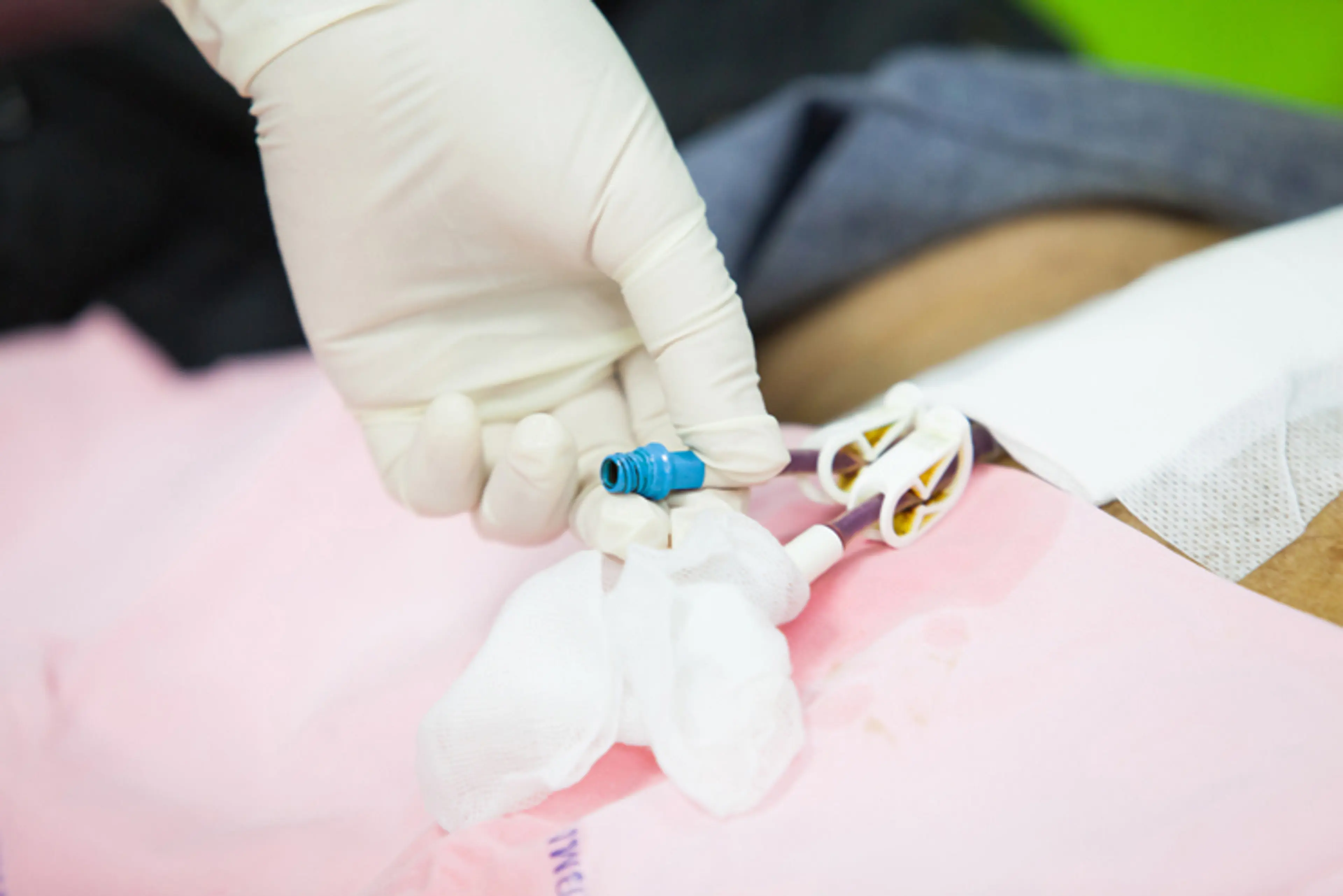
For patients with chronic kidney disease (CKD) undergoing hemodialysis, their vascular access—whether an arteriovenous (AV) fistula or graft—is nothing short of a lifeline. This access point enables the life-sustaining process of filtering waste and excess fluids from the blood, making its functionality critical to patient survival and quality of life.
However, like any lifeline, dialysis access sites require continuous attention and care. Regular monitoring is not just a recommendation—it’s a clinical necessity. Without it, access complications can silently progress, leading to sudden failure, hospitalizations, or even life-threatening events.
Before diving into monitoring protocols, it’s essential to understand the different types of vascular access used in hemodialysis. The most common types include:
Each type of access presents unique challenges. AV fistulas may take weeks to mature, while AV grafts carry a higher risk of clotting. Central venous catheters, while convenient, have the highest risk of infection and dysfunction.
Why is dialysis access site monitoring so important? Simply put, because complications can escalate rapidly and silently. A narrowed vein (stenosis) or a forming clot (thrombosis) may not show symptoms until the access fails completely.
Consistent surveillance helps detect issues early—often before they cause symptoms or disrupt treatment. This early detection is crucial for maintaining long-term access viability and reducing emergency interventions.
For long-term dialysis patients, monitoring becomes even more essential. Their access sites endure repeated needle punctures, increasing wear and tear over time. Without consistent checks, access dysfunction can go unnoticed until it becomes a critical issue.
By implementing a structured monitoring program, such as the one at Charm Vascular Clinic, patients benefit from early intervention strategies that preserve their access and improve their dialysis outcomes.
Neglecting regular monitoring of dialysis access sites can lead to several serious complications, including:
These risks are not just medical concerns—they impact patients' daily lives, comfort, and sense of security. A failed access often requires surgical intervention and temporary reliance on less safe alternatives, like central venous catheters.
Routine assessments include:
Patients with AV grafts, in particular, benefit from vigilant surveillance, as grafts are more prone to narrowing and clotting. The clinic’s tailored monitoring strategies for AV grafts have significantly reduced emergency interventions and improved access longevity.
Key benefits of ultrasound include:
Charm Vascular Clinic utilizes state-of-the-art ultrasound technology to ensure precise and early identification of access site issues. This allows their vascular specialists to make informed decisions about interventions, whether it be angioplasty, thrombectomy, or surgical revision.
The use of ultrasound not only reduces the reliance on more invasive diagnostics but also builds patient confidence by offering clarity and immediate feedback during evaluations.
Recognizing the early signs of dialysis access failure can make the difference between a minor outpatient fix and a full-blown surgical emergency. Patients and caregivers should be alert for:
These signs are not to be ignored. Even subtle changes can indicate serious underlying problems like stenosis or clotting. Charm Vascular Clinic emphasizes patient education, teaching individuals how to self-monitor their access and when to seek help.
Nurses at the clinic also conduct regular in-session evaluations and communicate closely with nephrologists and surgeons to ensure no early signs are overlooked. This team-based approach helps maintain uninterrupted and safe dialysis treatment.
Infections remain one of the most dangerous complications associated with dialysis access, especially for patients using AV grafts or central venous catheters. Proper infection control is essential not only for patient safety but also for prolonging access site viability.
Prevention strategies include:
Charm Vascular Clinic employs rigorous infection prevention protocols based on guidelines from the CDC and international nephrology societies. All staff members are trained in sterile technique, and patients are provided with clear, illustrated instructions on how to care for their access sites at home.
Additionally, any signs of infection trigger immediate diagnostics and, if needed, early antibiotic therapy. This proactive approach drastically reduces the risk of systemic infections and sepsis.
The frequency of monitoring a dialysis access site varies depending on the patient’s condition, access type, and history of complications. However, there are some widely accepted clinical benchmarks for routine evaluation:
Charm Vascular Clinic follows a structured surveillance schedule, tailored to each patient. Those with a history of access dysfunction receive more frequent imaging and clinical reviews, while stable patients benefit from standard interval monitoring that still ensures early detection.
Patients are also given self-check guides, empowering them to track changes between visits and contact the clinic promptly if concerns arise.
Charm Vascular Clinic stands at the forefront of dialysis access care in South Korea. Recognized for its excellence in minimally invasive vascular treatments, the clinic combines expertise, technology, and patient-centered care to offer unmatched access management.
Key highlights include:
Cutting-edge imaging and intervention tools such as high-resolution ultrasound and catheter-based treatments
The clinic’s approach to nephrology access management involves close coordination between nephrologists, vascular surgeons, and dialysis staff. This ensures continuity of care and rapid intervention when needed.
Safety is a top priority when dealing with vascular access, particularly in patients who may undergo revision surgery or have complex vascular anatomy. At Charm Vascular Clinic, a series of rigorous safety protocols guide every aspect of pre-surgical planning and intervention.
These include:
Using the long-tail keyword “dialysis access site safety protocols,” the clinic educates patients and caregivers on steps taken to reduce surgical risks. These include antimicrobial prophylaxis, real-time imaging during procedures, and use of FDA-approved closure devices and materials.
Charm Vascular Clinic’s dedication to safety and precision contributes to its stellar success rates and minimal complication profiles, reinforcing its position as a trusted leader in vascular care.
Monitoring practices at Charm Vascular Clinic align with globally recognized guidelines, ensuring that patients receive care at the highest international standards. Key references include:
By adopting these global frameworks, the clinic ensures consistency in care while also tailoring treatments to individual patient needs.
Whether it's following guidelines for “dialysis graft assessment” or implementing new tools for early “stenosis detection,” Charm Vascular Clinic exemplifies best practices in every aspect of access care.
The field of dialysis access monitoring has seen remarkable advancements in recent years. From AI-assisted imaging to wearable flow-monitoring devices, technology now plays a major role in improving patient outcomes and streamlining care.
Key innovations include:
By incorporating long-tail keywords like “monitoring techniques for long-term dialysis patients” and “vascular access evaluation,” this section highlights how these tools are shaping the future of access care. Patients at Charm benefit from faster diagnosis, fewer invasive procedures, and higher overall satisfaction.
An informed patient is a protected patient. At Charm Vascular Clinic, education is not an afterthought—it’s an essential component of treatment. Patients receive:
Using the long-tail keyword “patient guide to dialysis access care,” the clinic ensures that every patient and their caregiver can confidently manage the access site between clinical visits. Regular workshops and one-on-one counseling reinforce these lessons.
The clinic also gathers and shares patient testimonials, showing how access monitoring has improved quality of life. These stories not only inspire trust but empower others to take a proactive role in their vascular health.
This focus on education leads to fewer emergency interventions, reduced hospitalizations, and better dialysis efficiency—a win for both patients and the healthcare system.
Vascular access is more than a medical procedure—it’s a lifeline for those undergoing hemodialysis. Protecting it requires vigilance, expertise, and a proactive approach to monitoring and maintenance.
Regular monitoring helps detect complications early, prevent infections, and avoid sudden access failures. It reduces the emotional and physical toll of emergency procedures and extends the life of the access—directly improving the patient's health and peace of mind.
If you or a loved one are undergoing dialysis and want to ensure your access is in the safest hands, consider a consultation at Charm Vascular Clinic. Your lifeline deserves nothing less.